

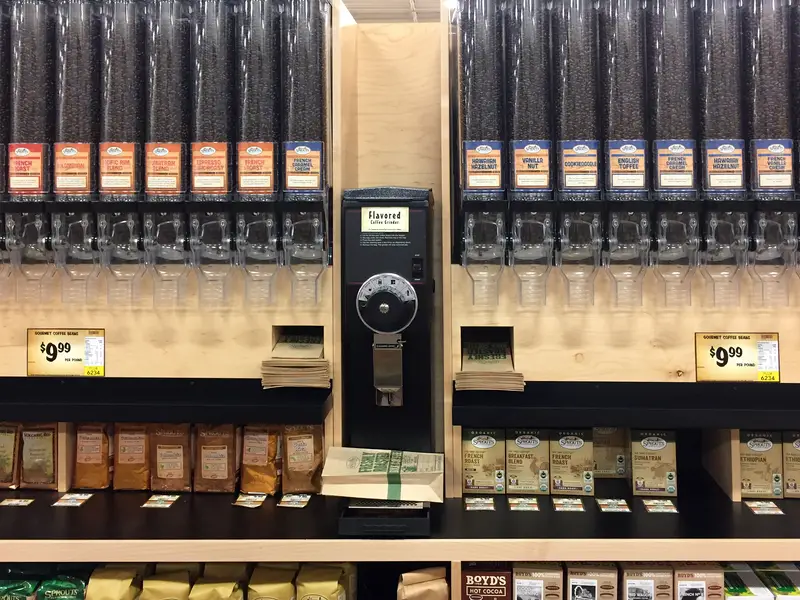
You bought the good bag. Whole beans, roast date stamped on the back, eighteen or twenty bucks at a shop where the guy behind the counter had opinions. And the cup still comes out bitter, or thin, or just sort of beige-tasting. So you blame the beans and go buy a different bag next week.
The beans are almost never the problem. The grind is. Grind size is one of the most common brewing errors in American kitchens, and it wrecks more cups than cheap coffee ever has.
It is also free to fix. You do not need new gear to get it right, just a willingness to turn the dial and taste what happens.
Grind Size Decides Whether Your Coffee Is Bitter Or Sour
Water moving through coffee is a race against the clock. Grind too fine for your brewer and the water crawls, dissolving everything including the harsh stuff. That is over-extraction, and it tastes bitter and dry. Grind too coarse and the water sprints past without picking up much of anything. That is under-extraction, and it tastes sour, weak and hollow.
Match the grind to the method and most of your problems disappear:
- Espresso: fine, like powdered sugar
- Pour-over: medium-fine, like table salt
- Drip machine: medium, like sand
- French press: coarse, like sea salt
- Cold brew: very coarse, like breadcrumbs
The adjustment rule is short enough to tape to the cabinet. Bitter means go coarser. Sour means go finer. Move one notch, brew it again, and change only that one thing so you actually know what did it.
A Blade Grinder Is Brewing Two Bad Cups At Once
The spinning-blade grinder sitting in half the kitchens in the country does not grind anything. It chops. One bean becomes powder, the one next to it survives as a chunk, and both end up in your filter together.
That dust over-extracts into bitterness within seconds. The boulders barely give up any flavor at all before the brew is done. You end up tasting bitter and sour at the same time, which is why blade-ground coffee reads as muddy and harsh no matter how carefully you did everything else.
A burr grinder crushes beans between two surfaces set a fixed distance apart, so every particle comes out about the same size. Even grounds extract evenly, and even extraction is basically the entire game. A decent hand grinder runs $40 to $60. If you buy one thing after reading this, buy that, not a fancier machine.
Pre-Ground Coffee Is Already Half Gone
A roasted bean is a sealed container. The oils, the gases, the aromatics that make coffee smell like coffee are locked inside until the grinder cracks it open. After that, the clock runs fast. Ground coffee starts giving up its aromatics within minutes.
Whole beans hold up for 2 to 4 weeks. Go by the roast date printed on the bag, not the best-by date, and if the roaster does not print a roast date at all, that tells you something about the roaster. Past two or three weeks, a bag is fading whether or not it smells fine.
Buying ground coffee is not a crime. It is just a head start on a problem. Grinding right before you brew is the cheapest upgrade available to anyone who already owns a grinder.
Boiling Water Scorches The Grounds
Pouring straight off the boil feels right. It is not. Water at 212°F grabs the bitter compounds first and pulls ashy, harsh flavors out of the grounds. Water that is too cool never reaches the sweet, bright stuff at all, and the cup lands sour and flat.
The National Coffee Association’s window is 195°F to 205°F. Aim for 200. With no thermometer, boil the kettle, pull it off the heat, and wait 30 to 45 seconds before you pour. That drop lands you in the zone.
Roast level nudges the target. Light roasts do best near 205°F, darker roasts around 195°F. A variable-temperature kettle removes the guesswork if you drink enough coffee to justify it.
Scoops Are Lying To You
Beans vary in density, so a scoop means nothing. A scoop of light roast weighs more than a scoop of dark roast, which means the same morning routine gives you a different strength depending on what bag is open.
Start at a 1:16 ratio, meaning 1 gram of coffee for every 16 grams of water. For a single mug, that is 22 grams of coffee to 350 grams of water. Want it stronger, go 1:15. Lighter, 1:17. A $15 kitchen scale solves more brewing problems than any premium gadget you will ever buy.
If weighing water at 6 a.m. sounds insane, there is a volume version: roughly 2 tablespoons of grounds per 6 ounces of water, then adjust from there. Lock the ratio first and leave it alone. Change the ratio and the grind in the same brew and you will never know which one moved the cup.
Your Tap Water Is 98 Percent Of The Cup
Coffee is about 98% water. If the water tastes like a swimming pool or like pennies, so does the coffee, and no bean on earth fixes that.
Hard, mineral-heavy tap water mutes flavor and scales up your machine over time. Distilled or reverse-osmosis water swings too far the other way. It is so clean there are no minerals left to grab the flavor compounds, and the result tastes lifeless.
Filtered water is the answer, and a basic carbon filter pitcher costs about ten bucks. Coffee nerds target roughly 150 ppm total dissolved solids. Everyone else can just stop filling the kettle from the faucet and notice the difference the next morning.
Brew Time Is The Other Half Of Grind Size
Contact time and grind size pull the same lever. Longer in the water means more extraction, shorter means less, which is why a French press left sitting for ten minutes tastes like an ashtray.
The target windows by method: espresso 25 to 30 seconds, pour-over 2.5 to 3.5 minutes start to finish, French press 4 minutes and then plunge, drip 4 to 6 minutes, cold brew 12 to 18 hours in the fridge.
Hitting the time and still getting a bad cup means the grind is off. Finer slows the water down and stretches contact. Coarser speeds it up. Those are the two dials, and they turn together.
Skipping The Bloom On Pour-Over
Fresh coffee releases carbon dioxide left over from roasting the second hot water hits it. You have seen it happen: the bed of grounds puffs up and bubbles like a muffin rising. That gas physically pushes water away from the coffee, so some grounds get soaked and others barely get touched.
The bloom gets rid of it before the real pour starts. Wet the grounds with about two to three times the coffee’s weight in water, wait 30 to 45 seconds, then carry on. For 22 grams of coffee that is a splash, not a pour. It matters most for pour-over, Chemex and AeroPress.
You Are Tasting Last Month’s Coffee
Coffee oils go rancid. They build up inside the carafe, the filter basket, the shower head of the machine and the burrs of the grinder, and they leak a stale, bitter flavor into every fresh brew. That funk you cannot shake is living in your equipment.
Pull the used filter after every single brew. Grounds left sitting in the basket for a few days can get moldy and take the whole machine with them. Rinse everything, deep clean weekly with warm soapy water, and run a descaling cycle monthly. For a drip machine, Mr. Coffee suggests about one part white vinegar to two parts water.
The grinder gets forgotten. Run a few grinder cleaning tablets through the burrs every few weeks. Skip the rice trick, which Baratza says can damage a grinder. A clean brewer tastes like a brand new one, which is annoying, because that is a free upgrade most people never collect.
The Freezer Is Not A Bean Vault
Beans go in the pantry, not the fridge. The freezer only works for a sealed, airtight stash you leave alone; every time a bag comes out of the cold it collects condensation, and coffee soaks up whatever is around it. Store it next to the leftovers and the onions and that is what the morning cup tastes like.
Keep beans in the original resealable bag, press the extra air out after each scoop, and park the bag inside an airtight canister in a cool, dark cupboard. Clear jars on the counter look great and let light do its damage. Stored properly, a bag holds up for about 30 days.
The Small Stuff That Still Ruins It
Pouring 200-degree coffee into a cold, thin mug drops the temperature instantly. Rinse the cup with hot water while the coffee brews, dump it, then pour. Plastic and flimsy mugs lose heat fastest.
Reheating a forgotten cup in the microwave does not bring it back. It turns it flat and harsh. An insulated tumbler is the better answer for anyone who sips slowly.
And if you are spending real money on beans, stop finishing them with skim milk, which thins the cup out. Whole milk or half-and-half carries the flavor better, and turbinado sugar beats plain white.
Our verdict after all of it: the grinder is the mistake, and the grind setting is where to start fixing it. Nail the grind, weigh the coffee, keep the water off the boil, and a $12 bag will beat a $25 bag brewed carelessly every time.

