

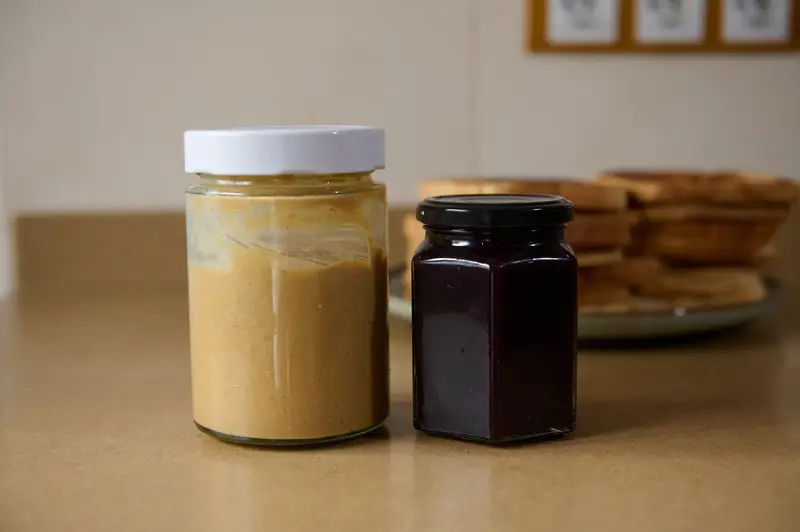
The cabinet directly above your stove feels like the natural home for peanut butter. It is close to the toaster, close to the bread, close to everything you reach for at breakfast. That convenience is exactly what turns a good jar into a bitter one faster than you would ever guess. Heat is the one thing peanut butter cannot shrug off, and the spot right over your burners is basically a slow oven for whatever sits inside it.
Peanut butter has this reputation for being nearly impossible to ruin. It sits in 94% of American homes, and most of us treat the jar like it will outlive us. But the spot you pick matters way more than the brand you buy. Let me get into the worst places to keep it and where it actually belongs.
The Cabinet Above The Stove Is The Worst Offender
Every time you cook, heat rises. It floats straight up into that cabinet and settles there, cooking after cooking, dinner after dinner. The ideal temperature for peanut butter sits between 65 and 75 degrees, and a cabinet over an active stovetop blows right past that range on a regular Tuesday night.
What happens next is oxidation. The fats in the jar react with oxygen, and heat speeds that reaction up dramatically. The oil breaks down, the flavor goes flat, and the roasted-nut smell you love gets replaced with something sharp and unpleasant. One number really drives this home: storing natural peanut butter above 72 degrees can speed up spoilage by up to 300% compared to keeping it cool. That is not a small bump. That is your jar aging three times faster because of where it lives.
On Top Of The Fridge Is Sneakier Than You Think
Plenty of people park pantry items on top of the refrigerator because it is empty space and easy to reach. It looks harmless. It is not. The compressor that keeps your fridge cold throws off heat, and that heat radiates straight up through the top panel. So the surface you assumed was room temperature is quietly warmer than the rest of the kitchen.
A jar sitting up there is getting the same low, steady heat treatment as the cabinet over the stove, just with less drama. You never notice because you never touch that surface with your hand. But your peanut butter feels it, and the oil separates faster and turns sooner. Same problem, different hiding spot.
That Sunny Windowsill Is A Bad Idea
A jar on a bright windowsill or a counter that catches afternoon sun looks kind of charming. It also cooks the peanut butter from two directions at once. Light and heat both push the oils toward going rancid, and direct sunlight combines the two into a real problem. Peanut butter left in the sun or above room temperature for too long can go rancid and even grow mold.
Glass jars make it worse because they let all that light right through to the spread. If you have ever noticed peanut butter darkening near the top of a jar, sunlight and heat are usually the culprits. Keep it out of any window, no matter how nice the light looks on the shelf.
Right Next To The Dishwasher Counts Too
Here is a spot most people never even consider. The cabinet next to the dishwasher gets blasted with heat every single cycle. That machine runs hot, and the warmth seeps into the cabinet walls right beside it. If your peanut butter shares a shelf with that setup, it is taking a heat bath a few times a week.
There is a second issue with any spot that swings from cool to hot. When a jar heats up and cools down over and over, condensation can form on the lid and drip back into the spread. Those tiny wet pockets are the one thing peanut butter usually avoids, and they give mold a place to start. Dry and steady beats warm and swinging every time.
What Heat Actually Does To A Jar
Peanut butter is roughly 50% fat, and those fats are the whole game. They are what make it creamy and rich, and they are also what turns on you when things go wrong. Temperature is the single biggest thing that speeds up rancidity, with light and air close behind. When the oil oxidizes, it produces compounds that change how the jar smells and tastes, and none of those changes are good.
The proof shows up fast in testing. One study on unstabilized peanut butter found 1% oil separation after just two weeks at 95 degrees. That is what a hot kitchen does in half a month. The jar might still be technically fine to eat for a while, but the flavor tanks long before any date on the label. You bought good peanut butter. Heat quietly turns it into mediocre peanut butter.
Natural And Regular Jars Follow Different Rules
Not all peanut butter reacts the same way, and this is where people get tripped up. The brands most of us grew up on, like Jif and Skippy, contain stabilizers and a little sweetener. Those additions help them resist going off. Conventional jars hold up for 6 to 9 months unopened and 3 to 4 months after opening at room temperature, as long as you keep them away from heat and light.
Natural peanut butter is a different animal. Made with just peanuts and maybe salt, it has nothing standing between the oil and time. Opened and left in a warm pantry, natural peanut butter can turn in about a month. That is the trade you make for a shorter ingredient list. It tastes cleaner, but it needs more care about where you keep it.
Should It Go In The Fridge Or Not
This is the argument that splits households. For natural peanut butter, the fridge is your friend. Give the jar a good initial stir to mix the oil back in, then chill it. Refrigeration stops the oil from separating and slows the rancidity way down, stretching an opened jar to several months instead of a few weeks.
Conventional peanut butter is a different call. Those stabilizers keep it fresh at room temperature, and tossing it in the fridge can turn it into a brick that fights your knife. You can still refrigerate it to push the fresh window to 6 months or longer if you buy in bulk, but expect it to firm up. If cold, hard peanut butter drives you nuts, keep the regular stuff in a cool cupboard and it will be fine.
How To Tell If Yours Already Turned
Your nose is the best tool you own here. Fresh peanut butter smells warm and roasted, like the nuts it came from. A jar that has gone off smells sharp, sour, or weirdly like paint. That paint-like smell is the classic sign of oxidation, and once you catch it, you cannot un-smell it.
Taste follows the smell. Instead of rich and nutty, rancid peanut butter reads bitter, metallic, or soapy. The color may darken and the texture can dry out and go hard. One thing that is not a problem is a layer of oil sitting on top of natural peanut butter. That separation is completely normal, and you just stir it back in. Off-smell is the real warning, not the oil.
Simple Habits That Keep It Fresh
Start with location. A shelf near the floor on an inside wall usually stays cooler than anything up high or near an appliance. Pick a spot away from the stove, the dishwasher, and any window, and half the battle is already won.
Then handle it right. Twist the lid on tight after every use, since air exposure speeds spoilage. Wipe the lid threads clean so oil does not build up in the grooves. Never double-dip a knife that has touched something else first, because that drops crumbs and bacteria into the jar. And for natural peanut butter that separates, try storing the jar upside down. Gravity pulls the oil back through the spread, so when you flip it right side up, everything mixes on its own without a fight.
None of this takes extra work. It just means giving your peanut butter a cool, dark, dry corner instead of the hot cabinet over the stove. Move the jar today, and the next spoonful will taste exactly like it should.

