

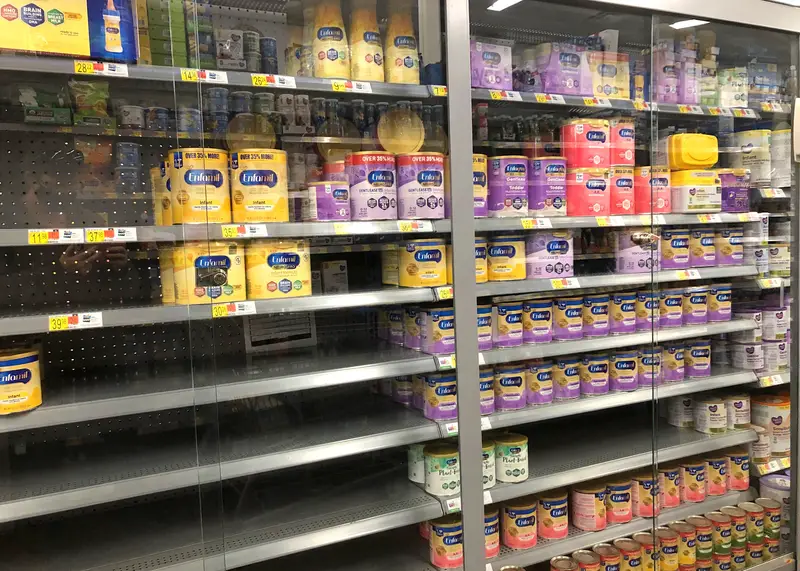
Somebody at your grocery store carries a key ring for the razor aisle. There is probably plastic mesh over the ribeyes, and a call button bolted to the shelf next to the baby formula. Stores do not spend money on hardware like that for fun. They spend it because certain products keep walking out the front door, and the list of what disappears fastest is stranger than you would guess. Steak is on it. Top-shelf whiskey is on it. But the single most stolen food item on the planet is cheese.
Cheese Beats Everything Else In The World
About 3% of the cheese on store shelves goes missing, the highest loss rate of any food in a 2011 study of retailers in 43 countries, with meat close behind. The math is brutal for grocers. Higher-end varieties can run as much as $30 per pound, so a coat pocket holds a serious amount of money without bulging. Wheels of parmesan, blocks of aged cheddar and imported specialty wedges are the ones that vanish most. Some of it gets resold to restaurants, specialty shops, flea markets and informal networks. Plenty of it just goes home and gets eaten. The dairy case is also nearly impossible to defend, since cheese has to stay cold and nobody wants to shop an aisle where the mozzarella is behind glass.
Premium Steaks Slide Right Under A Jacket
Ribeyes, filets, bacon and ground beef are the targets. A package of premium steaks worth fifty dollars or more takes seconds to slide under a jacket, and once it leaves the building there is no way to trace it. The meat case is the hardest section in the store to protect. Cuts are bulky, perishable, and sealed in cold wet plastic film that fights every adhesive tag a retailer tries to stick on it. Chains have experimented with protective nets, locking boxes and AI-assisted monitoring at self-checkout, with mixed results. One specialized tagging approach reportedly cut losses by 40%, while another retailer found the labor of applying nets cost more than the theft it prevented.
Baby Formula Gets Its Own Locked Cabinet
Formula sits on the National Retail Federation’s list of the most frequently stolen grocery items, which is remarkable for a product that is bulky and awkward to hide. The containers are compact cylinders, easier to pocket than their size suggests, and the shelf life means a stolen can stays valuable for months. Demand never dips. Thieves move it to smaller retailers at a discount or list it on online marketplaces, and recent cases have involved tens of thousands of dollars worth taken from single chains. Some of it is a parent who cannot cover the price at the register. Some of it is a crew treating the shelf like a warehouse. Diapers show up on the same organized retail crime lists, which is why the children’s aisle at a lot of stores now has its own locked cabinet.
Razor Blades Have Been Locked Up For 20 Years
The shaving aisle was the first place most Americans ever saw a plastic security case, and there is a reason it stuck. In the early 2000s the Gillette Mach3 was reported as the most shoplifted item in the United States and Europe, and researchers estimated European losses of the razor at 5%. A small pack of replacement cartridges can retail for twenty-five dollars or more. That is a lot of value in a box the size of a deck of cards. Resale is the easy part, because brand-name blades sell themselves. A buyer at a flea market or an online listing sees a familiar package at a lower price and stops asking questions, which is not true of an off-brand cartridge nobody recognizes.
Top-Shelf Liquor Lives Behind Glass Now
Alcohol turns up on every retail crime list. Bottles of premium vodka, whiskey and tequila can clear a hundred dollars each while taking up less room than a box of cereal. Thieves frequently work in pairs, one pulling an employee’s attention while the other loads a bag. Wine theft follows name recognition rather than vintage, because a label people know is a label people will buy secondhand without thinking twice. Liquor is also the category where the strangest method shows up: bottles opened, drunk from in the store, and set back on the shelf.
Energy Drinks Turned Into A Real Problem
Food and nonalcoholic drinks are among the things shoplifters take most, according to a 2026 LendingTree survey that found 30% of Americans have shoplifted at least once, with 90% of past-year offenders pointing to inflation and the economy. Grocery stores were the most common place they did it. Energy drinks in particular get flagged, and the NRF names them alongside meat and formula as frequent targets. Tall cans are easy to slip into a backpack and they move fast. Analysts tracking consumer finances have tied the pattern to household budgets rather than criminal ambition, which is a polite way of saying the four-dollar can is the new impulse steal.
Cosmetics And Fragrance Are Pure Profit
One in five shoplifters in LendingTree’s 2026 survey admitted taking personal hygiene products, and cosmetics are the high-dollar end of that aisle. A single tube of premium lipstick or a small jar of luxury face cream can run past fifty dollars, and neither one weighs anything. Organized crews favor body cream, body wash, cosmetics and fragrances, all items with a ready resale market and packaging that stays intact, so a buyer has no way of knowing the box came off a shelf in a different state. Mascara, foundation and perfume are small enough that an amateur can clear a few hundred dollars in one pass down the aisle. That is why the makeup section in a lot of supermarkets now sits within sight of a register.
The Medicine Aisle And The Freezer Case
Over-the-counter products like ibuprofen, antihistamines and diet supplements get taken constantly, for the same reason razors do. Strong brand recognition means fast resale on the gray market and no explaining required. Frozen food is the genuinely odd one. Grocers have had to order specialty security labels with adhesives engineered to hold at freezer temperatures, because standard tags peel off in the cold and the product walks out clean. Freezer aisles also tend to be quiet, with tall doors and long sight lines broken up by fogged glass, which is exactly the setup a shoplifter looks for. Loss prevention teams have started treating blind spots and low-traffic sections as their own problem, separate from whatever is being stolen in them.
Coffee Pods And Laundry Detergent Round It Out
Single-serve coffee pods slide into a bag without a sound, and premium beans deliver a lot of dollar value per ounce carried. Some thieves target coffee specifically because they already know who is buying it before they leave the parking lot. Laundry detergent is the one that surprises people, since a jug is heavy and impossible to conceal, yet retail security specialists keep putting it on the short list of high-theft essentials. Demand never slows, everybody recognizes the brands, and a case of it moves at a flea market in an afternoon. Line the whole category up and grocery theft starts looking less like a food problem and more like a drugstore inventory sheet with a meat case attached.
What All Of It Costs The People Who Pay
U.S. stores lost an estimated $47.8 billion to shoplifting in 2025, even though reported shoplifting in major cities fell 10% that year. The average incident cost retailers $461.86 in the National Retail Federation’s 2020 survey, and shoplifters say they are caught about once in every 49 times they steal. Gen Z and millennials were the adults likeliest to admit it in LendingTree’s survey. Retailers have responded the only way the spreadsheet allows: by Capital One Shopping’s count, 70% of multi-location chains now use locking cases, cages or hooks in at least some stores, and 65% have pulled specific products off the sales floor entirely.
The pattern behind the whole list is resale value per square inch. A ribeye, a wedge of parmesan, a four-pack of razor cartridges and a bottle of tequila have nothing in common on a dinner table and everything in common in a backpack. Grocers know it, which is why the hardware keeps spreading, and why big-box chains have added locked displays, more cameras and self-checkout monitoring. Loss prevention veterans have long warned that heavier security annoys the honest customer as much as it deters the dishonest one, and that tension is still unresolved. So you pay twice. Once in the shelf price that absorbs the shrink, and once standing in the shaving aisle with your thumb on a button, waiting for somebody with a key.

