

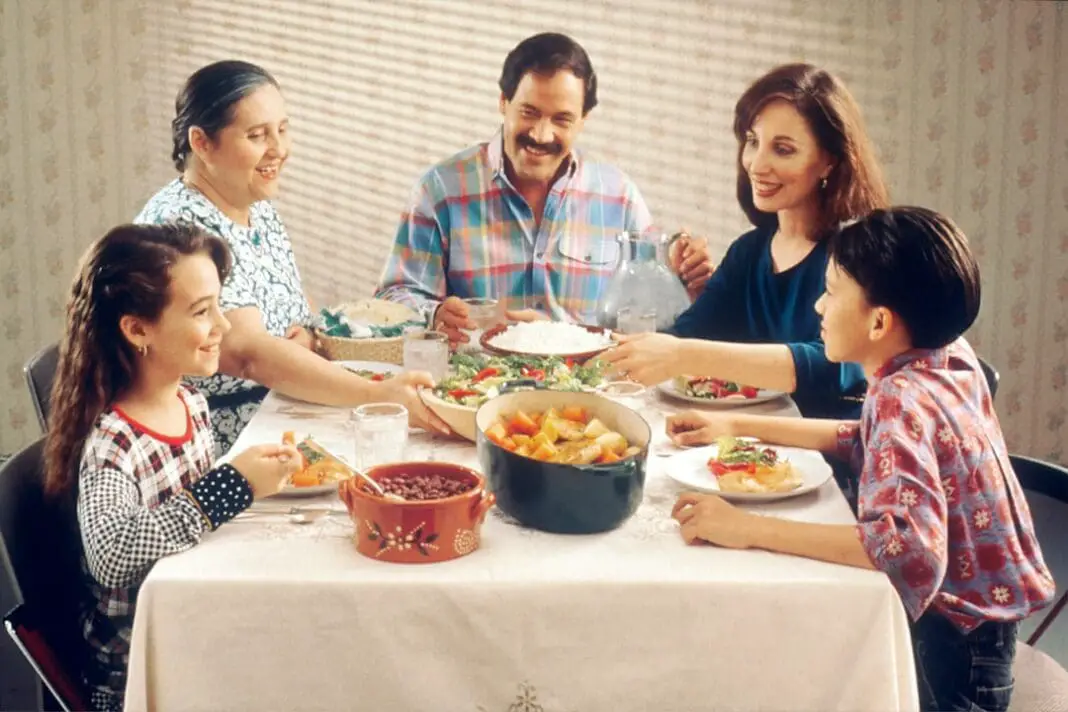
Every family has that one dinner where the vegetables are gray, the roast could double as a doorstop, and someone at the table is guilting you into finishing your plate. If you grew up eating like this, you probably didn’t question it. But the younger crowd absolutely does. There’s a whole online movement of people roasting their parents’ cooking, and honestly, some of it is deserved. Here are the boomer eating habits that make Gen Z and millennials wince, plus a little history on why these habits stuck around so long.
They Boil Vegetables Until They Give Up
Ask anyone under 40 about their childhood vegetables and you’ll hear the same story. Broccoli boiled until it was olive green and falling apart. Green beans with zero snap. Carrots you could gum without teeth. Whether it started canned, fresh, or frozen, boomers had a talent for cooking the life out of anything that grew from the ground.
The wild part is that a ton of people grew up thinking they hated vegetables, then tasted a roasted Brussels sprout as an adult and realized the problem was never the vegetable. It was the pot of boiling water. One cooking roundup pointed out that a lot of younger folks only discovered they liked veggies once someone actually seasoned and cooked them right.
The Pot Roast That Tastes Like Cardboard
Overcooking wasn’t just a vegetable thing. Boomers overcooked pretty much everything, from pork chops that turned to chalk to a pot roast dried past the point of no return. To a younger eater, that roast tastes like a sponge. To a boomer, it tastes like a Sunday at grandma’s house.
There’s an actual reason for it. Modern food safety standards in the U.S. weren’t fully set until 1996, and by then the oldest boomers were already in their 50s. Before that, cooking meat into oblivion was seen as the sure way to stay safe. That’s the whole reason boomers overcook, according to one breakdown. Their parents also survived the Depression, when stretching a tough cut of meat into a giant stew was just how you fed a family. The habit got passed down long after it stopped making sense.
Salt and Pepper Is the Entire Spice Rack
Open a lot of boomer spice cabinets and you’ll find salt, pepper, and a bottle of garlic powder that expired during the Clinton years. That’s it. Younger cooks who grew up with cumin, smoked paprika, gochujang, and fresh herbs cannot understand how a whole meal can taste of nothing.
Some of this is timing. When boomers were kids, spice-heavy cuisines like Indian, Thai, and Mexican hadn’t hit the American mainstream yet, so seasoning past salt and pepper felt exotic and unnecessary. One look at boomer kitchen habits noted that their palates were basically trained on blandness, and nostalgia kept them there. To make it stranger, some boomers over-salt everything because they don’t taste the food before dumping more on, while others swap in a no-salt shaker and season with nothing at all.
Everything Gets Trapped in Jell-O or Drowned in Mayo
This is the one younger generations truly cannot process. Boomers grew up in the 1950s and 60s, when the peak of fancy home cooking meant suspending shrimp, olives, or shredded carrots inside a wobbling Jell-O mold. If it wasn’t in gelatin, it was slathered in mayonnaise. Ham salad, that green stuff, congealed fruit rings on the holiday table.
One piece on food trends described boomer fridges as time capsules from the Eisenhower administration, and that feels about right. A Jell-O salad was considered the height of sophistication back then. Show that to a 22-year-old today and you’ll get a face like they just watched something crawl out of the sink.
Canned Mystery Meat Is a Food Group
Here’s where Gen Z draws a hard line. Vienna sausages get called pickled toddler fingers. Canned sardines and kipper snacks clear a room with the smell alone. Bologna, sometimes chopped up and mixed with mayo and pickles into a so-called salad, is treated like a punishment. And liver and onions still haunts diner menus purely because boomers keep ordering it.
A rundown of foods boomers love that younger eaters can’t stomach also called out tapioca pudding for its texture, fruitcake (now famous mostly for being a punchline), and the boomer habit of slurping the syrup straight from a can of fruit cocktail. To a boomer, these are comfort foods. To their grandkids, they look like a dare.
Clean Your Plate or Else
Almost everyone raised by a boomer has this memory. You’re stuffed, you push the plate away, and suddenly you’re being called wasteful, selfish, or ungrateful. Finishing every bite wasn’t a suggestion. It was a rule with a lecture attached.
The rule actually goes back to World War I messaging that pushed Americans to only buy what they could finish because soldiers overseas were short on food. That mindset got handed down through generations until it landed at your kitchen table decades later. One look at boomer diet clichés traced this exact history. Younger folks would rather box up leftovers or just stop when they’re full, and they don’t see stopping as some moral failure.
Breakfast Is the Most Important Meal, Apparently
Boomers repeat this line like it’s written on stone tablets, usually while loading up a plate of eggs, bacon, sausage, hash browns, and toast. The saying gets used to justify a giant morning spread, and younger relatives are tired of hearing it every time they grab a coffee and skip the rest.
The funny thing is the data doesn’t back up the stereotype the way you’d think. A 2024 Dalhousie University survey of 9,165 people found that only 4.1% of boomers skipped breakfast, the lowest of any generation. Gen Z were the biggest skippers at 9%, with millennials at 6.1%. So boomers really do eat breakfast the most. They just also insist everyone else follow their lead, which is the part that grates.
They Refuse to Try Anything New
Try getting some boomers to eat Thai, Indian, or Middle Eastern food and watch them treat the menu like a threat. Some won’t even touch Mexican or Italian. The numbers show the gap clearly. Research found only 27% of boomers like trying new foods, compared to 54% of millennials who enjoy it.
A big chunk of this traces back to the convenience foods boomers grew up on, which prized familiarity and shelf stability over anything bold. If you were raised on Campbell’s condensed soup and Velveeta as recipe backbones, sticking to the familiar makes sense. But in a country where you can get pho, tacos, and butter chicken within a few blocks, younger eaters find the refusal baffling. Comfort in the familiar is fine, but some boomers took it to a level where a new spice feels risky.
The Endless Loyalty to Chain Restaurants
Boomers love a big corporate sit-down chain. Applebee’s, Olive Garden, the reliable booth with the same menu in every state. They like the consistency and the ritual of chatting with the server and lingering over the meal. Younger diners? They’d rather hunt down a small independent spot or whatever’s blowing up online.
The divide is real enough that people joke millennials are killing Applebee’s. One survey showed more than 77% of Gen Z find restaurants through social media, and one 26-year-old flat out said they won’t eat somewhere that isn’t on TikTok because they don’t trust a boomer’s taste. That same look at generational dining found over 75% of customers now want smaller portions for less money, which clashes hard with the boomer more-is-more approach to a plate. On top of that, restaurant workers report boomers tend to tip less than millennials and Gen Xers, which doesn’t help their reputation with the staff.
The Crash Diets That Refuse to Die
Nothing confuses younger generations like the diet fads boomers grew up with. There was the Wine and Eggs Diet from a 1963 bestseller, which was exactly what it sounds like and cut out all fruits and vegetables. Then came the 1980s Cabbage Soup Diet, where you ate nothing but cabbage soup for seven days straight and added one new food per day like it was a video game unlock.
A rundown of outdated dieting trends pointed out that boomer diet culture was obsessed with dramatic short-term weight loss. Younger folks tend to roll their eyes at the whole thing and take a slower, less punishing view. Which, after hearing about a diet that was mostly wine, is pretty hard to argue with.
So Is Any of This Fair?
Here’s the thing. A lot of these habits made sense when they started. Overcooking meat kept people from getting sick before food safety rules existed. Cleaning your plate came from wartime shortages. Canned everything was cheap and reliable when money was tight. The habits just outlived their reasons and got frozen in place by nostalgia.
The gray broccoli and the bologna salad might taste like childhood to a boomer, but to everyone else at the table, they taste like something to quietly scrape into the trash. If you recognize your own kitchen in this list, maybe try seasoning past salt and pepper this week. Your grandkids will thank you.

