

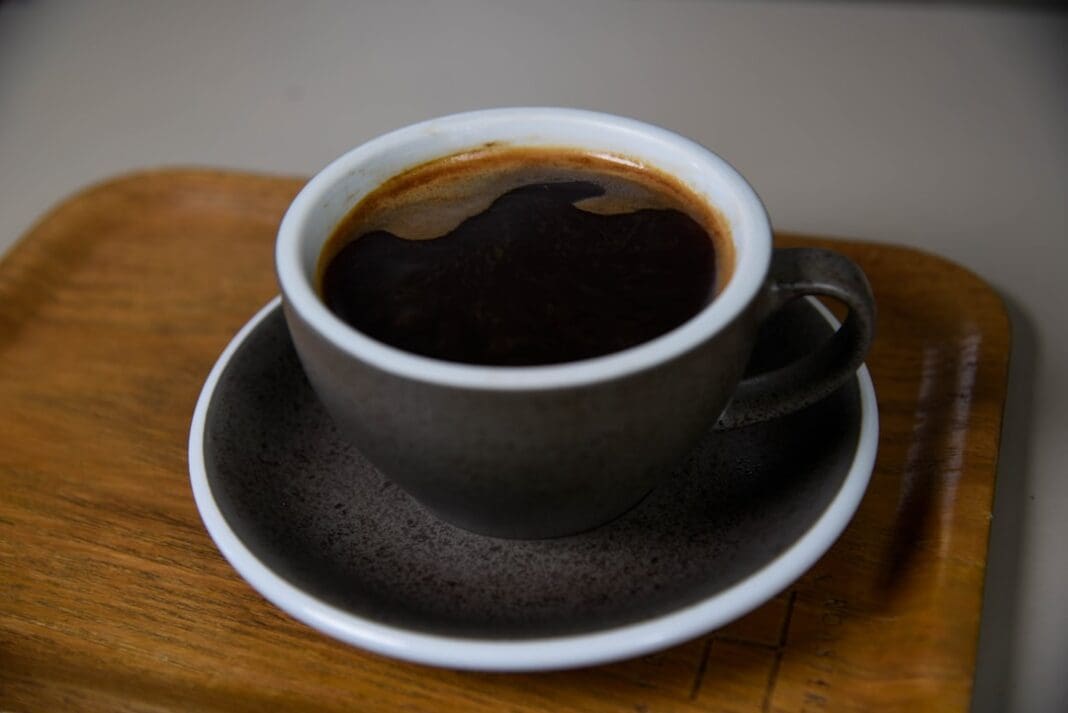
Cold coffee is one of the smaller betrayals of adult life. You pour a fresh cup, then the phone rings or a kid needs a shoe tied, and by the time you circle back, your coffee has gone room temperature and sad. The microwave sits right there, humming, promising to fix everything in 30 seconds. Ignore it. That quick zap is the fastest way to turn a decent cup into something that tastes like burnt cardboard, and the people who brew coffee for a living will tell you the exact same thing.
The smell is gone before your first sip
Eric Gantz, co-founder of Verena Street Coffee, says aroma is the first thing to vanish when a cup hits the microwave. Those sweet, fruity, nutty smells you notice in good coffee come from delicate compounds that fall apart fast under heat. The microwave blasts the cup so hard those compounds evaporate almost instantly, and you are left with something dull and flat. Smell does most of the heavy lifting when it comes to how coffee actually tastes. Once that aroma disappears, the cup becomes a shadow of what it was 20 minutes earlier. You can reheat it all day and that character never comes back.
You are basically making the same cup twice
Todd Carmichael, CEO and co-founder of La Colombe, put it bluntly. Reheating reorganizes the chemical makeup of the coffee and totally ruins the flavor profile. Think about what happened when you first brewed that pot. Hot water pulled acids and bitter compounds out of the grounds in a careful balance. When you microwave the leftover cup, you re-extract all of that, like brewing the same coffee a second time. The bright, pleasant notes break down and disappear, while the harsh, bitter stuff hangs around because it survives the heat. So the cup tilts sour and burnt at the same time, which is a genuinely impressive kind of bad.
Microwaves heat like a shaken snow globe
A microwave does not warm liquid evenly. It agitates molecules in scattered bursts, so you end up with hot pockets and cold zones in the same mug. Coffee holds its flavor best somewhere between about 130 and 160 degrees. Dip below that and the aromatics fade out. Push above 180, which a microwave can do in a matter of seconds, and bitterness spikes hard. Because the heat is so uneven, part of your cup is scorched while another part is still lukewarm. There is no stir button that fixes that once the damage is done, especially with lighter roasts where the small differences in flavor actually matter.
The companies that sell coffee won’t touch it
It is one thing for a blog to tell you to skip the microwave. It is another when the businesses making millions off coffee say the same. Caribou Coffee flat-out calls the microwave an absolute no-go, writing on its own site that reheating breaks down the few aromatics left and your coffee will simply taste bad. Andrea Allen, a U.S. Barista Champion and co-founder of Onyx Coffee Lab, said she is pretty anti-microwave when it comes to coffee because the machine changes the structure of whatever goes inside it. Carmichael goes even further, calling coffee a one-time-use kind of deal. When people this far apart in the industry agree that hard, it is worth listening.
There is a temperature window, and the microwave blows past it
One number matters more than any other here, and that is 140 degrees. Push coffee much hotter than that and bitterness really takes off. A microwave can rocket a mug past 140 degrees before you even hear the beep, which is exactly why microwaved coffee tastes so aggressive. The mug itself matters too. A stainless steel travel mug holds temperature two to three times longer than a plain ceramic one. That means half the time you reach for the microwave, you would not have needed to reheat at all if you had just poured into better gear from the start.
A mug warmer does the one thing the microwave can’t
A little coaster-shaped mug warmer sits on your desk and holds a cup at a steady temperature for as long as you want it there. Andrea Allen calls them a great idea, and she has used ones that lock coffee at a set temperature for a long stretch without any babysitting. The whole advantage comes down to control. A warmer holds a low, even heat instead of slamming the cup with the sharp spikes a microwave delivers. Plenty of them plug straight into a USB port, so the thing lives right next to your laptop and keeps your afternoon cup drinkable while you actually work.
Preheat the mug and brew a little less
Two free tricks stop the cold-coffee problem before it ever starts. Fill your mug with hot tap water, let it sit a minute, dump it out, then pour your coffee in. The warmed mug keeps your coffee hot longer instead of quietly stealing its heat the second it lands. The other move is brewing only what you will realistically drink in the next 15 or 20 minutes. A half pot that sits on the burner all morning is going to let you down no matter what you do to it later. A thermal carafe handles bigger batches by keeping them hot for hours with zero reheating.
When it’s stone cold, just go iced
Some mornings the coffee has been sitting so long it is basically iced coffee that forgot the ice. So add the ice. Carmichael says even in dire straits, staring down a cold pot from that morning, you should still drink it over ice rather than reheat it. Pour it over a full glass of cubes, add a splash of milk if that is your thing, and you have a genuinely good drink on your hands. Almost every expert says iced is a far better landing spot for cold coffee than anything the microwave can offer. It feels like a downgrade, but one sip changes your mind.
If you truly must add heat, use the stove
Say you really want it hot, you have no warmer, and iced is off the table. The stovetop beats the microwave every single time. Gantz suggests pouring the coffee into a small pan over low heat and stirring gently until it reaches around 130 to 140 degrees. You control the pace, so you never blow past the point where bitterness explodes. And if a warmed-up cup still tastes too sharp, a tiny dash of salt can knock the bitterness down a notch. It will not bring the cup back to its brand-new self, but it makes the difference between drinkable and dumping it in the sink.
The message running through every coffee pro is the same one. Once a cup cools, its balance is gone for good, and no amount of reheating brings that back. The microwave does not just fail to rescue cold coffee. It piles a fresh set of problems on top of the ones already there. Brew a little less, keep it hot with a warmer or a solid stainless mug, and when all else fails, drop in some ice and call it iced. Your morning cup has earned something better than 45 seconds on high power.

