

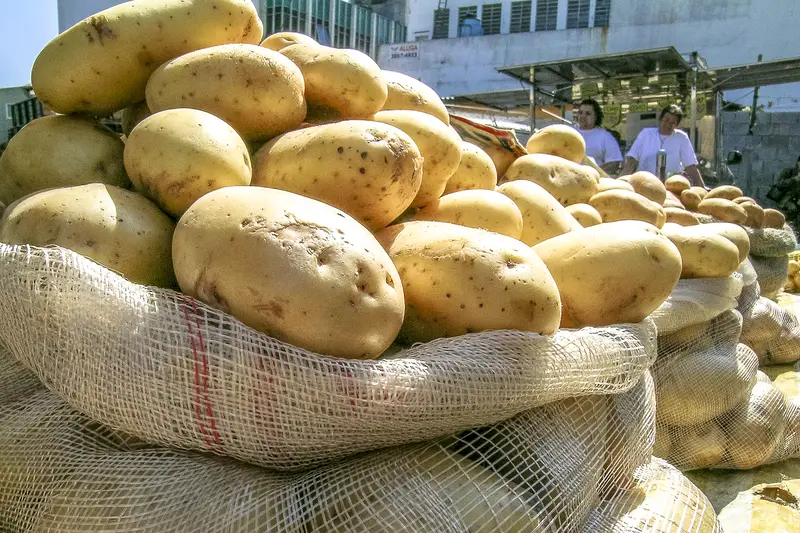
Most of us buy potatoes ten pounds at a time, drop the bag on the pantry floor, and forget about it until taco night. Then you reach in and pull out a tuber with a green streak running across one shoulder. It is not dirt, it is not mold, and it will not scrub off. That green patch is chlorophyll, and while the pigment itself is nothing, it means the potato has been sitting in light it was never meant to see. Under those same conditions, potatoes also start producing solanine, a bitter compound that boiling, baking and frying will not cook away.
The Green Is A Signal, Not The Problem Itself
Chlorophyll is the same pigment in spinach, basil and every other green thing on your plate. Light-skinned potatoes shift from pale yellow or light brown to green when they get exposed, and the pigment is completely harmless on its own.
Solanine is produced under the same conditions, but separately. That means green is an imperfect reading. A potato can be lightly green and fine, and a potato can be loaded with solanine without ever looking green. Dark-skinned varieties are the sneaky ones, because the pigment in the skin hides it. Scratch a bit of the skin away with your thumbnail and look at what is underneath.
A Bitter Bite Is The Louder Warning
Solanine is a colorless alkaloid with a bitter taste, and it is concentrated in the skin and the flesh just beneath it. Every potato has some. Most people never get past the first bite of a bad one because it tastes wrong.
Trust that reflex. If a cooked potato tastes bitter, or leaves a burning feeling in your mouth or throat, put the fork down. That burn is the clearest signal you get, and it works even when the potato looks perfectly normal.
Cooking Does Not Fix A Green Potato
This is the part people get wrong at the stove. Boiling, baking, microwaving and frying can bring solanine levels down somewhat, but heat does not erase it. A potato that is green all the way through cannot be rescued in a pot.
Peeling does more than cooking does. Because levels run highest in the skin, taking the peel off cuts solanine by 25 to 75 percent. Cut out the sprouts, the eyes and any green flesh underneath while you are at it, and cut deep rather than scraping the surface.
A couple of small green spots on an otherwise good potato? Peel it, trim them out, carry on. Green running through the flesh, or any bitterness after cooking? That one goes in the trash. If throwing food away bothers you, stick it in a pot of dirt instead. Let it sprout and it will eventually give you new potatoes.
How Much Potato Are We Actually Talking About
The numbers put this in perspective better than any warning does. With the normal amount of solanine found in a potato’s peel, a 200-pound person would have to eat 20 pounds of potatoes to reach a problem level, according to the University of Nebraska. Nobody is eating 20 pounds of potatoes.
Light exposure changes the math. It can push solanine levels up as much as ten times, which drops that 20 pounds to roughly 2 pounds. A large baked potato can weigh close to a pound on its own, and a typical restaurant potato serving runs 6 to 8 ounces. That is the whole reason storage matters.
Regulators work the same angle from the supply side. U.S. guidelines put glycoalkaloids at no more than about 200 milligrams per kilogram of raw potato, roughly 91 milligrams per pound, an informal benchmark rather than an FDA rule. Canada sets a similar cap at 200 milligrams per kilogram, and Germany’s risk agency recommends staying under 100. Potatoes with unacceptable levels usually never reach the store shelf in the first place.
Serious cases are incredibly rare. The Missouri Poison Center treats solanine exposure as low risk, and most people who eat enough to feel off recover at home without treatment. Children are the exception worth taking seriously. Germany’s risk agency advises that small children eat only peeled potatoes, so a green potato never goes on a kid’s plate.
The Refrigerator Is The Wrong Place
Raw potatoes do not belong in the fridge. Cold turns potato starch to sugar, which changes the flavor and how they brown, and some studies have linked cold storage to higher solanine, though the results are mixed. The crisper drawer feels like the responsible choice and is not.
The target range is 45 to 50 degrees Fahrenheit in a dark spot with some air movement. A cellar or an unfinished basement is close to ideal. Keep them away from anything that throws heat, which includes the back of the refrigerator itself, the dishwasher and the oven. The USDA keeps storage guidance for potatoes and other foods in its FoodKeeper app if you want to check something specific.
Most American kitchens do not have a cellar, and the average pantry runs too warm for long-term potato storage. The workaround is simple: buy smaller amounts more often, and keep what you buy in an opaque paper sack at the back of a low cabinet or drawer where light cannot reach it. The clear plastic produce bag you carried them home in is the worst container in your kitchen for this.
Inspect Them Before They Go In The Cart
Physical damage, light exposure and temperatures that swing high or low are what push a potato into producing solanine. Supermarket displays sit under lights all day, and a bruised or nicked potato is already primed. Turn them over, check for cuts, and pass on anything already showing green.
Variety matters too. White-skinned potatoes green up more readily than russets or red-skinned types, and the field plays a part too: tubers that grow too close to the surface green in the sun, which is why growers mound soil over them. Bagged potatoes hide problems better than loose ones, so if you can see what you are buying, do.
Sprouts Come Off, Every Time
Solanine concentrates around the eyes, which is why the sprouts get cut away before anything else happens to that potato. A few small sprouts on a firm potato are not a reason to toss it. Dig them out with the tip of a peeler, take a little of the surrounding flesh with them, and cook as normal.
A potato that is soft, heavily sprouted and green is three signals in one, and it is not worth the knife work.
Yesterday’s Potato Is Not The Same As Today’s
Something genuinely interesting happens when a cooked potato cools. Served hot, the potatoes in a USDA-backed study carried about 3.1 grams of resistant starch per 100 grams. Chilled, that climbed to about 4.3 grams as the starch recrystallized.
Reheated, they still held about 3.5 grams. It is a decent argument for boiling your potatoes the night before you make the salad, which is what most good potato salad recipes tell you to do anyway.
Buy The Right Potato For What You Are Making
Starchy potatoes like russets are what you want for baking. All-purpose varieties such as Yukon gold handle roasting, mashing and baking without complaint. For potato salad, waxy types hold their shape instead of falling apart, which means red potatoes, new potatoes or fingerlings.
Americans are not short on practice. The USDA counts about 115 pounds of potatoes a year for every person in the country, and about half of that supply goes into frozen products, mostly French fries, which says plenty about how we actually eat them.
The Short Rule Worth Keeping
Look at the potato, scratch the skin if it is dark, and taste what you cook. Small green spot, peel it and trim deep. Green through the flesh, or bitter on the tongue, and it is garbage or garden soil, not dinner.
Everything else is storage. Cool, dark, dry, out of the fridge, out of the clear bag, away from the oven, and in smaller quantities than the ten-pound sack your instincts reach for. Potatoes handled that way will hold for weeks without ever giving you a reason to inspect them twice.

