

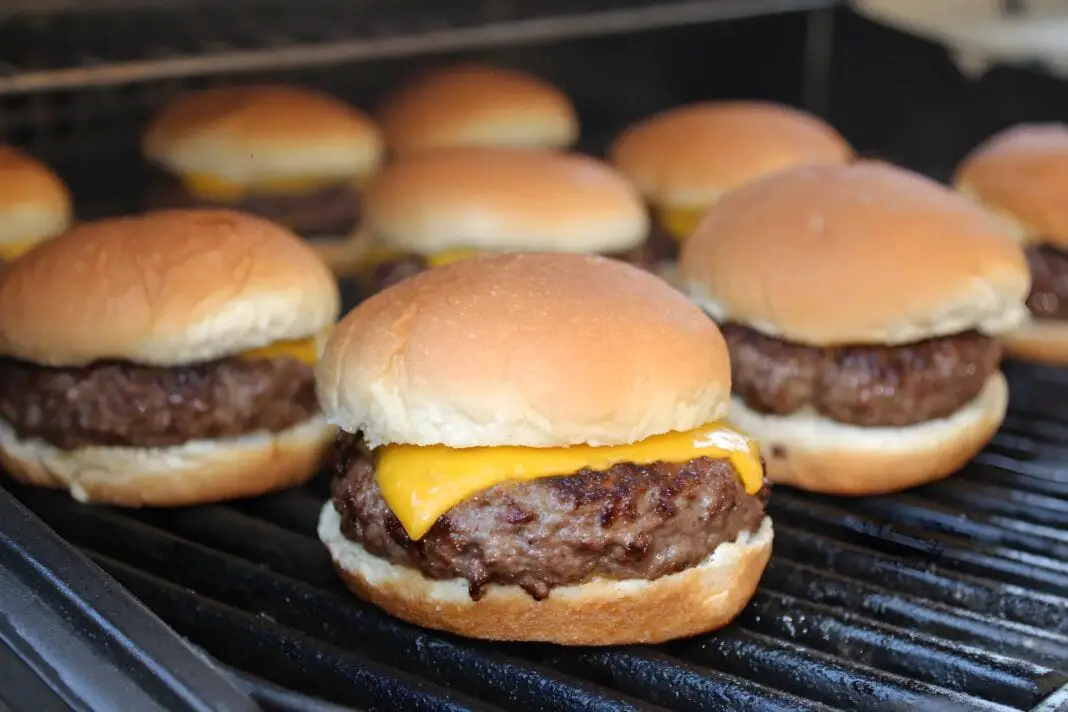
Every cookout has one. The person with the spatula who leans into each patty until the fat hits the coals and the whole grill hisses. It looks like cooking. It sounds like cooking. What it actually does is squeeze the juice out of two pounds of good ground chuck and send it into the fire, where it does nobody any good. Pressing down on a burger while it cooks is the one thing you should never do to it, and almost everybody does it.
The rest of a great backyard burger is easy once you stop. Buy the right beef, barely touch it, salt it at the last second, get the grates hot, flip once, and leave the spatula flat. Below is the case against the press, the handful of other moves that wreck patties, and a recipe built around doing none of them.
The Spatula Press Is Costing You The Whole Burger
Juice does not come back. Yankel Polak, head chef at ButcherBox, put it about as plainly as it can be put when he talked to Mashed: “When pressed down, the natural juices that the meat should be cooking in are actually being pushed out of the cut of meat.” Press and you end up with a dried out, overdone piece of meat, and that is true whether you like your burger rare or gray all the way through.
The fat you just pushed out has somewhere to go, too. It drips straight down and causes flare-ups, which means the outside of the patty gets scorched at the exact moment the inside is losing the moisture that was supposed to keep it tender. One push, two problems.
Smash burgers are the one exception, and only barely. A smash works because the patty is pressed thin in the first few seconds against a hot flat surface, before any juice has rendered. Pressing a patty that has already been cooking for three minutes is not a smash burger. It is just a loss.
Put The Tongs Down And Flip Once
Fiddling is the cousin of pressing. Every flip interrupts browning, drops the surface temperature, and stops the crust from setting. Flip once, halfway through, or twice at the absolute most.
Laura Pauli, a Bay Area private chef and sommelier, gives patties three to five minutes before that single flip, depending on size and how done you want them, and never presses. Her advice for the stretch in between is the hardest part of the whole recipe: “Stop, step away from the grill, set down your tongs, grab a beer, let it cook, then flip it to finish.”
If the patty feels welded to the grates when you slide the spatula under it, it is not ready. Beef releases on its own once a crust forms, so give it another minute instead of tearing it loose and leaving half the crust behind.
80/20 Chuck, Not The Lean Stuff
Lean ground beef is where most dry burgers are born, long before the grill gets involved. Fat is what keeps a patty juicy under high heat, and 93/7 simply does not have enough of it to survive the trip. An 80/20 blend is the standard, and even 70/30 works on a grill.
Ground chuck is the cut to ask for at the meat counter. It comes from the shoulder, and the mix of fat, meat, and muscle gives you a balanced bite that expensive steak trimmings do not. Competition cooks often blend chuck with brisket for extra flavor, which is worth doing if your store grinds to order.
Skip the preformed patties sitting in the case. You cannot tell what blend went into them, how they were seasoned, or how long they have been sitting. Grinding your own is a nice project, but buying a two pound package of 80/20 chuck and shaping it yourself gets you most of the way there in four minutes.
Handle The Meat As Little As Humanly Possible
Think loose, not dense. Overworking ground beef melts and smears the fat, breaks down the texture, and gives you a patty that eats like a meatball. Use your fingertips, combine just until the meat holds together, and stop. If the mixture is starting to look pale, you have already gone too far.
Leave out the binders while you are at it. Eggs and breadcrumbs belong in meatloaf. In a beef patty they change the texture, push you toward a longer cook, and can leave you with something crumbly and dry.
Size matters more than people expect, because burgers shrink hard. Melting fat can cost a patty around 30% of its volume, according to Chef Vanessa Cantave, a Hormel consultant and New York-based caterer, who shapes hers wide and flat so the cooked burger fits the bun instead of turning into a hockey puck. A 5.5-inch patty lands about right on a standard 4-inch bun. For a thick burger, keep it at least three quarters of an inch, and press a thumbprint dimple in the center so it does not dome up.
Salt The Outside, And Do It Last
Salt mixed into raw ground beef ahead of time pulls out moisture and starts dissolving the proteins, which is exactly the trick used to give sausage its springy bounce. In a sausage that is the goal. In a burger it gives you a dense, bouncy patty instead of a tender one.
Form the patties first, then season the outside heavily right before they hit the grates. Kosher salt and freshly ground black pepper is the whole requirement. Garlic powder and onion powder are a fair addition if you want them.
Cantave learned to keep it that simple. Her parents used to do the most with the ground meat the day before, and she found that buying high quality meat and keeping the seasoning basic makes a way better burger. Load it up ahead of time and you are halfway to grilled meatloaf. Save the personality for the cheese, the sauce and the pickles.
The Grill Has To Be Hot Before Anything Touches It
Cold grates are why burgers stick, tear and steam instead of searing. The browned crust everybody wants only forms at high heat, so a grill that is still warming up gives you a gray patty glued to the metal.
How hot is open to some argument. Butcher BBQ, run by a two-time World BBQ Champion, calls for medium-high heat at around 375 to 400 degrees. Polak puts a properly heated grill at about 500 degrees Fahrenheit, and says charcoal is ready when the coals have all gone gray. Lean hot. You can always finish a thick patty over indirect heat after it has seared.
Scrape the grates clean and oil them before the beef goes on. Thirty seconds of maintenance saves you the mess of prying a torn patty off the bars later.
Cook To Temperature, Not To The Clock
Ground beef lies about doneness. It can look cooked on the outside and be well short inside, and cutting into a patty to check just dumps the juice you have been protecting. An instant-read thermometer settles it in a couple of seconds.
The numbers to know: 130 to 135 degrees for medium-rare, 140 to 145 for medium. The USDA recommendation for ground beef is 160 degrees. Three to four minutes per side gets a standard three-quarter-inch patty to medium-rare on a hot grill, but grills and patties vary, so trust the thermometer over the clock. The USDA number is about safety, not taste: grinding mixes any bacteria from the surface of the meat all the way through, so ground beef does not get the pink-in-the-middle pass a steak does.
Pull the patties a few degrees early, because the temperature keeps climbing after they leave the heat. Then let them sit a few minutes before you bite in, same as a steak. The wait is short and the difference in texture is not.
The Burger That Rewards Leaving It Alone
This is a plain backyard cheeseburger, built so that every step that usually goes wrong is already handled. The patties are formed loose and cold, seasoned at the last second, cooked without a single press, and flipped exactly once.
Two small additions are worth the trouble. A pat of butter on the patty near the end of cooking adds richness, and toasting the cut sides of the buns in butter keeps them from going soggy under the first bite. Add cheese in the last minute or two and cover the grill briefly so it actually melts instead of sliding off.
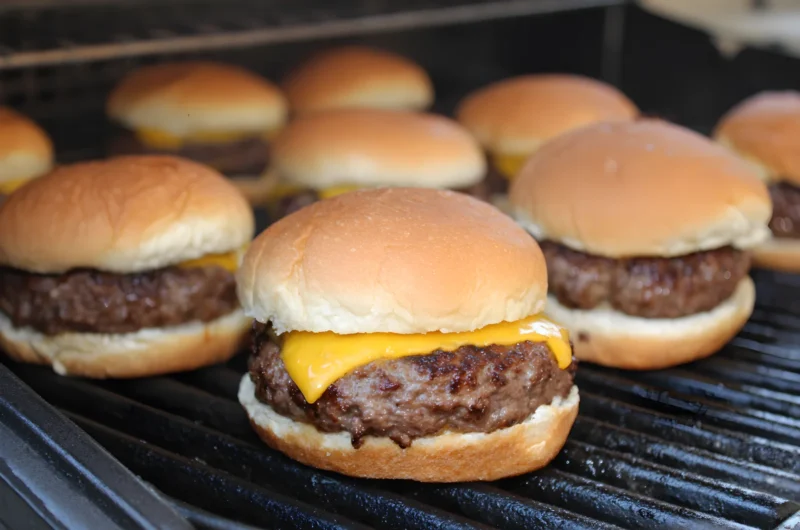
No-Press Grilled Chuck Cheeseburgers
Course: DinnerCuisine: American4
servings15
minutes10
minutes640
kcalThe backyard cheeseburger that stays juicy because you never touch it with the spatula.
Ingredients
2 pounds 80/20 ground chuck, cold from the refrigerator
2 teaspoons kosher salt
1 teaspoon freshly ground black pepper
1/2 teaspoon garlic powder
1/2 teaspoon onion powder
4 slices American or sharp cheddar cheese
4 soft hamburger buns, about 4 inches across
3 tablespoons unsalted butter, softened
Neutral oil for the grates, plus pickles, sliced onion, lettuce and tomato to serve
Directions
- Divide the cold ground chuck into four 8-ounce portions and gather each one into a loose ball using only your fingertips. Do not knead, squeeze or mash the meat. The less you handle it, the more tender the finished patty will be.
- Gently flatten each ball into a patty about 5 1/2 inches wide and three quarters of an inch thick. Press a shallow thumbprint dimple into the center of each one so they stay flat instead of doming on the grill. Make them as close to identical as you can so they finish at the same time.
- Lay the patties on a plate and return them to the refrigerator while the grill heats. Cold patties hold their shape better and are far less likely to fall apart on the grates. They should be the last thing you pull out before cooking.
- Heat the grill to medium-high, 375 to 400 degrees, with 500 degrees being fine if your grill runs hot. Scrape the grates clean and wipe them with oil on a folded paper towel held in tongs. On charcoal, wait until the coals have all turned gray.
- Mix the salt, pepper, garlic powder and onion powder, then season both sides of the patties right before they go on the grill. Do not season the meat earlier or mix the salt into it. Salting too far ahead draws out moisture and makes the texture springy.
- Lay the patties over direct heat, dimple side up, and leave them completely alone for 3 to 4 minutes. Do not press them with the spatula and do not move them around. If a patty resists when you slide the spatula under it, give it another minute until the crust releases on its own.
- Flip once and cook 3 to 4 minutes more, moving the patties to indirect heat if the fat is causing flare-ups. Add a small pat of butter and a slice of cheese in the last 1 to 2 minutes and close the lid briefly to melt it. Check with an instant-read thermometer: 130 to 135 degrees for medium-rare, 140 to 145 for medium, or 160, the USDA recommendation for ground beef.
- Butter the cut sides of the buns and toast them on the grill for a minute or two until lightly browned. Let the patties rest a few minutes off the heat before building, since the temperature keeps rising and the juices need a moment to settle. Stack with pickles, onion, lettuce and tomato and serve right away.
Notes
- If your butcher grinds to order, ask for a blend of chuck and brisket. A 70/30 grind also works well on a grill and will not dry out.
- Pull the patties off a few degrees below your target temperature, because they continue cooking after they leave the heat.
- For smash-style burgers, use a flat griddle, divide the meat into smaller balls, and press once in the first few seconds only. Never press a patty that has already started cooking.
Frequently Asked Questions
Q: Is pressing down on a burger ever okay?
A: Only at the very start of a smash burger, when the ball of beef first hits a hot flat surface and no juice has rendered yet. Once a patty has been cooking, pressing it forces the juices out of the meat and drops them into the fire, which also causes flare-ups. After that first second, keep the spatula flat.
Q: Why do my burgers puff up into a dome in the middle?
A: The patty contracts as it cooks and pushes the center upward. Press a shallow thumbprint dimple into the middle of each raw patty before it goes on the grill and it will cook flat instead. That also makes it fit the bun properly, since burgers can lose around 30% of their volume as the fat melts.
Q: What internal temperature should I cook burgers to?
A: 130 to 135 degrees gives you medium-rare and 140 to 145 gives you medium. The USDA recommendation for ground beef is 160 degrees. Use an instant-read thermometer rather than cutting into the patty, because ground beef can look done on the outside while the center is well short.
Q: Should I mix salt into the ground beef before shaping the patties?
A: No. Salt mixed into raw ground beef pulls out moisture and changes the proteins, giving you a dense, bouncy patty closer to sausage than a burger. Shape the patties first, then season the outside generously with kosher salt and black pepper right before they hit the grates.

