

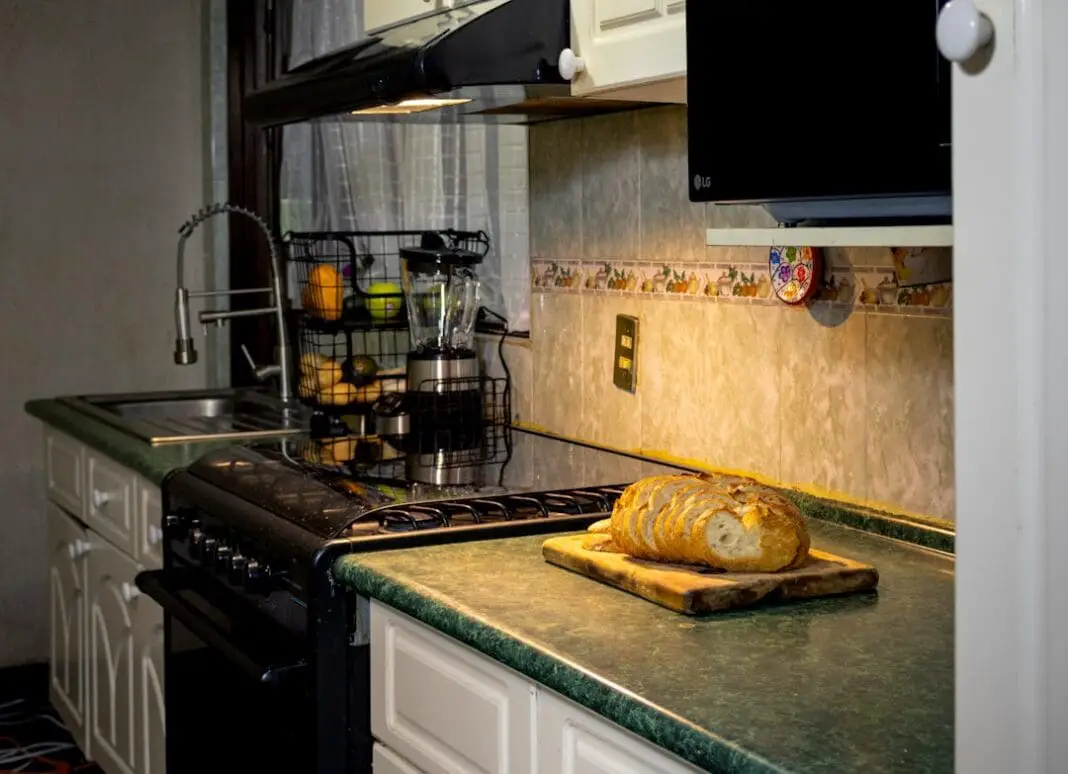
The single worst thing you can do to a fresh loaf of bread is put it in the refrigerator. It feels like the smart, responsible move. The fridge keeps your milk drinkable and your lettuce crisp, so surely it buys a loaf a few extra days too. It does the exact opposite. Bread goes stale faster on a cold shelf than it does sitting out on the counter.
Ask around and you’ll have a hard time finding a professional baker, or even a serious home baker, who isn’t a little horrified by the idea. Refrigeration does slow mold, that part is true. But mold usually isn’t what ruins a good loaf. Crusty and sourdough breads tend to go hard and dry long before any fuzz shows up, and the cold only speeds the hardening.
Why Nobody Knows How To Store Real Bread Anymore
There’s a reason this feels like lost knowledge. Wonder Bread arrived in 1921, from the Taggart Baking Company in Indianapolis. Continental Baking bought Taggart in 1925, and by 1930 it was selling Wonder sliced, nationwide. Highly processed flour made a super-soft, almost marshmallow-like loaf that stayed squishy on the counter for ages without drying out or going moldy. Storing it took zero skill: leave it in the plastic bag and forget about it. A couple of generations grew up never learning how to keep a real crusty loaf fresh, because the bread in the house didn’t need any help. Now that artisan and sourdough loaves are back in kitchens, plenty of us are relearning something our grandparents just knew.
Why The Fridge Wrecks Bread Faster Than The Counter
The culprit has a name: starch retrogradation. When dough bakes, its starch granules swell with moisture and turn soft and stretchy. Once the loaf leaves the oven and cools, those starches slowly re-order themselves back into a firm, crystal-like structure, pushing moisture out as they go. That hardening is staling, and it moves fastest right around the temperature inside your refrigerator. That’s why a refrigerated loaf can feel a day past its prime before you’ve even made a second sandwich. The effect isn’t small either. Cold bread firms up dramatically faster than a loaf left at room temperature.
Two things are worth knowing. Staling and drying out aren’t the same problem: a loaf can go hard without losing much water at all, purely from the starches re-crystallizing, while drying is a separate issue that hits hardest in low-humidity homes. And bread made with some fat in the dough, or a sourdough built on a long ferment, stales more slowly, because the fat and the acids get in the way of that re-crystallizing. It’s the same reason squishy store-bought sandwich bread, loaded with fats and sugars, holds up longer than a lean bakery baguette.
Don’t Cut Into It Straight Out Of The Oven
Slicing a hot loaf is the mistake nearly everyone makes, because fresh bread smells incredible and waiting is torture. Cut too early and the inside turns gummy and sticky, because the crumb hasn’t finished setting. All that steam you let out was moisture that would have kept the loaf soft. Give it at least an hour to cool, and two or more is better.
Bigger loaves want even more patience. The baker Maurizio Leo finds that a large, high-hydration whole grain loaf, or a heavy round like his three-pound miche, tastes better a couple of days after baking. Rye is the extreme: a high-rye loaf often gets wrapped in a towel and left to rest a day or two before anyone brings a knife near it. Nobody’s saying you need that kind of discipline with a sandwich loaf, but the hour of cooling is non-negotiable if you want a clean slice.
Don’t Seal It In Plastic Before It Cools
Wrapping a warm loaf in plastic is another quiet loaf-killer. Trap the heat and you trap steam against the crust, which turns it soft and soggy and gives mold a damp place to get started. If you’re going to use plastic at all, wait until the bread has cooled completely.
Even then, every wrap comes with a trade-off. In one side-by-side test, mini loaves stored in plastic and in foil both stayed soft after 24 hours but lost their crunchy crust, while the loaf in a cloth bag went hard rather than crisp and started drying out inside. No wrap keeps a crackly crust and a soft middle at the same time much past a day. Most people pick the soft interior and just reheat when they want crunch back. There’s one exception. In a very dry climate, especially deep winter, a low-hydration loaf can go hard so fast that a sealed plastic bag, used only after the bread is fully cool, is the one thing that keeps it soft. For most of us in normal humidity, that’s a last resort, not a habit.
Stop Sawing At It With A Dull Knife
A dull knife doesn’t slice bread so much as crush it. Push a blunt blade down through a loaf and you smash the airy crumb flat, so even a perfectly baked loaf comes out looking dense and gummy, and even slices become nearly impossible. Use a real serrated bread knife and let it saw through on its own weight instead of forcing it down. It’s a small thing that can make good bread look like bad bread.
The Right Way To Keep It On The Counter
Once a loaf is cool and you’ve cut into it, store it cut-side down on a board or counter. The thick crust works like a natural wrapper, sealing the open crumb against the surface so moisture stays in and air stays out. There’s a good trick for a loaf you’ve already cut into, too: slice it down the middle, take pieces off one half, then push the two halves back together before wrapping, so no open face is left leaking moisture.
For an uncut loaf you’ll finish within a day or two, a paper bag or a linen bread bag works well. Both let just enough air through to keep the crust from going soft without drying the loaf too fast. One writer who tested eight different storage setups, from glass domes to a homemade clay pot, found the winner almost funny: the plain paper bag the bread came home from the bakery in beat every gadget she tried.
A bread box does the same job with a lid, giving you ventilation and a dark spot in one, and a good one holds two or three whole loaves at a time. If you like a soft crust, wrap the cooled loaf in a tea towel; if you like it crackly, leave it out on a rack so air moves underneath. Keep bread at normal room temperature and out of direct sun, and if you’ll eat it within 48 hours, leaving it uncovered the first day is genuinely fine. If you live somewhere humid, a cut loaf on the counter can start showing mold in as little as a couple of days. That’s your cue to freeze what you won’t finish, not to reach for the fridge.
When You Won’t Finish It, Freeze It
If a loaf will outlast a couple of days on the counter, the freezer is the answer, never the fridge. Freezing basically hits pause on staling, because starch all but stops re-crystallizing at freezer temperatures, while it races at fridge temperatures. A loaf frozen within a day of baking thaws out tasting close to how it did fresh.
Do it right, though. Let the loaf cool all the way first, since sealing in warm steam leads to freezer burn. Wrap it tight in plastic or foil, then slide it into a heavy freezer bag and press out as much air as you can. Slice a big loaf before it goes in so you can pull one or two pieces at a time instead of thawing the whole thing. A frozen slice takes about half an hour to thaw on the counter, or you can drop it straight into the toaster with no thawing at all.
Bringing A Stale Loaf Back To Life
A loaf that’s gone stale isn’t garbage. It’s actually better than fresh for French toast, bread pudding, or croutons, because the drier crumb soaks up custard and oil without falling apart. But if you’d rather eat it as bread, you can get it most of the way back. Heat above 140°F temporarily reverses the starch re-crystallizing and softens the crumb toward how it was out of the oven. The fix is short-lived, though, so only reheat what you’ll eat right then.
For a whole loaf, heat the oven to 350°F and let it fully preheat for about 20 minutes. Right before it goes in, lightly wet your hands and rub water over the crust, then set the loaf directly on the hot rack for 15 to 20 minutes, until the crust crisps back up. Let it cool a little before slicing so the inside stays soft. One thing not to do: don’t put a cold loaf into a cold oven, or it sticks and turns into a mess.
So the one rule worth burning into memory: the refrigerator is where fresh bread goes to die a slow, hard death. Counter for the next day or two, freezer for anything longer, and a hot oven to rescue whatever went stale on you before you gave up on it. Do that and you’ll stop tossing half a loaf every week.

