

For most of my cooking life, I did the exact same thing everybody does. Slice open a pepper, drag my thumb through the middle, and dump that little cluster of pale seeds straight into the trash. I never once questioned it. My mom did it, her mom did it, and every recipe I ever followed told me to scrape them out before I did anything else.
Here is the thing nobody told me. Those seeds are perfectly good to eat, and we throw them away out of habit more than anything else. So I built a recipe around keeping them instead of tossing them: a fire-roasted whole pepper salsa where the seeds stay right where they are. It is smoky, it has real body to it, and once you make it this way you will feel a little silly about all the seeds you scraped down the drain over the years.
The Part Nobody Eats On Purpose
Let me start with the obvious question, because I asked it myself before I trusted my own recipe. Are pepper seeds actually okay to eat? Yes. Bell pepper seeds are completely safe as long as they are not black or covered in mold. There are no hidden toxic compounds in there waiting to get you. They will not make you or your family sick.
Most people who scrape them out are not doing it for any real reason. They are just repeating what they saw growing up. When you dig into it, the seeds are one of the most needlessly wasted parts of the whole vegetable. We treat them like garbage because a recipe once said to, and we never stopped to ask why.
The Heat Myth That Started It All
The biggest reason people rip the seeds out of a jalapeño is the belief that the seeds are the spiciest part. I believed it for decades. It is also flat wrong. The real heat comes from the white membrane inside, the soft pith that lines the pepper just below the stem. That tissue, called the placenta, along with the ribs attached to it, holds almost all of a pepper’s capsaicin.
By the numbers it is not even close. The white ribs carry around 95 percent of a pepper’s total heat, while a single seed only holds a tiny trace of capsaicin it picked up from touching that membrane. So if you pluck out the seeds but leave the white ribs behind, your dish is still going to be spicy. And if you remove the ribs, the seeds barely bring any heat on their own. That changes how you should think about the whole thing.
The Real Reason Seeds Get Tossed
So if the seeds are safe and they are not the fire, why does everyone still remove them? Texture and taste. Raw pepper seeds can be a little tough and bitter, and nobody wants a mouthful of hard bits in a fresh salad. That is a fair complaint. I am not going to pretend a raw seed is a treat.
But bitterness and toughness are fixable problems. You do not fix them by throwing the seeds away. You fix them with heat. This is exactly why I stopped fighting the seeds and started cooking them instead. The moment they hit real heat, the parts people complain about melt right into the background.
Roast the Whole Thing, Seeds and All
Roasting is the trick that makes everything work. Roasting the seeds before you eat them softens the harsh edge that makes people wrinkle their nose at raw ones. Cooked into a dish, they stop being a nuisance and start pulling their weight.
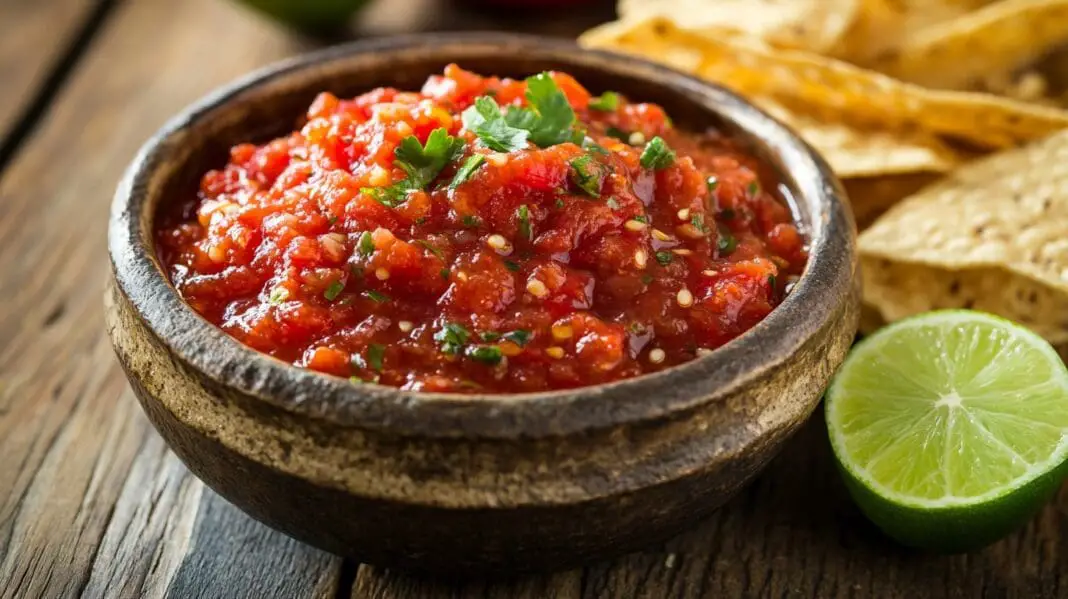
My fire-roasted whole pepper salsa leans on that fact. You char whole red bell peppers and jalapeños, seeds and ribs and all, along with onion, garlic, and tomatoes, until the skins blister and blacken. Then you blend it all together with lime and cilantro. The charring does two jobs at once. It tames the seeds so they never taste bitter, and the seeds give the finished salsa a rougher, thicker texture that store-bought jars never have. You are not straining anything out. You are using the whole pepper the way it grew.
Picking Peppers That Actually Taste Good
The peppers you grab at the store matter more than most people think. For the sweet base of this salsa, reach for red bell peppers over green ones. Red bells sat on the vine longer, which gives them a rounder, sweeter flavor. Green bells get picked earlier and carry that sharp, slightly bitter bite that some folks love and others cannot stand. For this recipe I want the sweetness, so red it is.
For heat, jalapeños are the easy pick because they are in every grocery store and they behave nicely with the seeds left in. If you want more kick, use serranos. If you want almost none, swap in a poblano. Just remember from the heat myth above: if you truly want to dial the spice down, pull the white ribs, not the seeds. Keeping the seeds keeps the texture without lighting anyone’s mouth on fire.
Mistakes That Ruin a Good Batch
The number one mistake is not charring the peppers enough. A little color is not enough. You want blackened, blistered skin with soft flesh underneath. That deep char is what carries the smoky flavor and what mellows the seeds. If your peppers come off the broiler looking pale, put them back.
Second mistake: over-blending. Pulse it. You want a salsa with texture, and the seeds are part of that. If you run the blender until it is baby food, you lose the whole point. Third: skipping the salt and lime. Roasted peppers taste flat without acid and salt to wake them up. Taste before you serve and adjust. And one more, since some peppers already carry seeds that run hot: do not toss in a raw super-hot pepper thinking the char will save you later. Roast everything together so nothing sneaks up on you.
Easy Ways to Change It Up
Once you have the base down, you can bend it a dozen ways. Throw in a couple of husked tomatillos before roasting for a tangier, greener salsa. Add a roasted corn cob cut off the ear for sweetness and crunch. Stir in a spoon of smoked paprika if you want it even smokier without more heat.
You can also lean all the way into the seed idea. The same seeds you would have tossed already show up in things you buy: crushed red pepper flakes and sambal oelek both keep the seeds right in the jar. And on the science side, food researchers have looked at pepper seeds as a source of edible oil rich in linoleic acid, plus a fiber-heavy flour, meaning the part we treat as trash has real value. For our purposes, just know the seeds belong in the bowl. Serve the salsa warm over eggs, cold with chips, or spooned onto grilled chicken. It keeps in the fridge about five days, though mine never lasts that long.
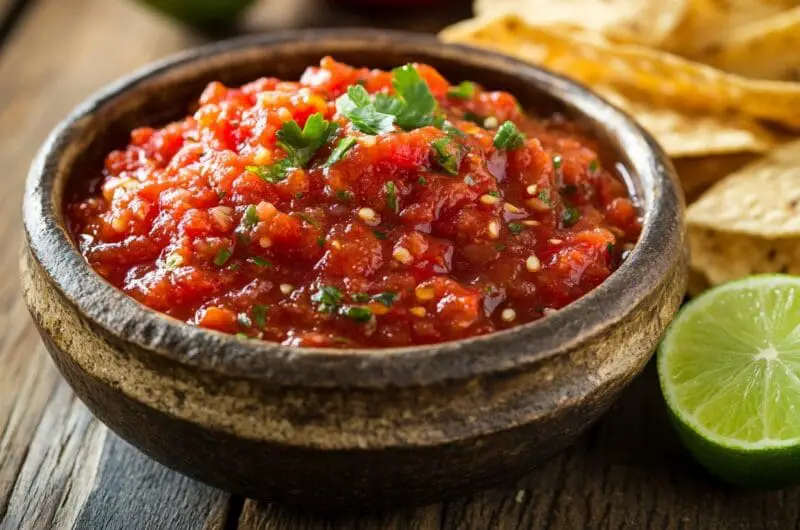
Fire-Roasted Whole Pepper Salsa (Seeds and All)
Course: AppetizerCuisine: Mexican6
servings15
minutes20
minutes70
kcalA smoky salsa that keeps the pepper seeds most people throw straight in the trash.
Ingredients
3 red bell peppers, whole with seeds
4 jalapeños, whole with seeds
1 medium yellow onion, peeled and quartered
4 cloves garlic, unpeeled
2 Roma tomatoes, halved
Juice of 1 lime
1/2 cup fresh cilantro, roughly chopped
1 teaspoon kosher salt, plus more to taste
1 tablespoon olive oil
Directions
- Set your oven to broil on high and move a rack to the top position. Line a sheet pan with foil for easy cleanup. Do not cut or seed the peppers; you want them whole so the seeds stay inside.
- Spread the whole bell peppers, whole jalapeños, quartered onion, unpeeled garlic, and halved tomatoes on the sheet pan. Drizzle everything with the olive oil and toss lightly so the pieces are coated.
- Broil for about 10 to 15 minutes, turning the peppers with tongs halfway through. You want the skins truly blackened and blistered on most sides, not just lightly browned. Pull the garlic out earlier if it starts to burn.
- Move the charred bell peppers and jalapeños into a bowl and cover it with a plate or plastic wrap. Let them steam for 10 minutes, which loosens the skins and makes them easy to slip off with your fingers.
- Peel the blackened skins off the bell peppers and jalapeños, but leave the seeds in place. Pull the stems off. Squeeze the roasted garlic out of its papery skins into the blender.
- Add the peeled peppers with their seeds, the roasted onion, and the tomatoes to the blender or food processor. Toss in the lime juice, cilantro, and kosher salt.
- Pulse the mixture in short bursts until you get a chunky salsa with visible bits and seeds. Do not run it into a smooth puree; the texture from the seeds is the whole point of the recipe.
- Taste and adjust with more salt or lime as needed. Serve warm or chilled with tortilla chips, over eggs, or spooned onto grilled meat. Store leftovers in a sealed container in the fridge for up to five days.
Notes
- If you want less heat, pull the white ribs from inside the jalapeños before blending but keep the seeds; the ribs hold the real spice.
- No broiler? Char the peppers directly over a gas burner flame or on a hot grill, turning until blackened on all sides.
- For a tangier version, roast two husked tomatillos alongside the peppers and blend them right in.
Frequently Asked Questions
Q: Are pepper seeds really safe to leave in?
A: Yes. Pepper seeds are edible and carry no toxic compounds, as long as they are not black or moldy. Most people remove them out of habit, not necessity. Roasting them, like you do in this salsa, softens the slightly bitter, tough quality that makes raw seeds unpleasant.
Q: Won’t keeping the seeds make my salsa way too spicy?
A: No. The seeds are not the hottest part of a pepper. Almost all the heat lives in the white ribs and the membrane they attach to. The seeds only pick up a small trace of that heat by touching those parts, so keeping them adds texture, not fire.
Q: Can I make this salsa milder?
A: Absolutely. Since the heat comes from the ribs, slice open the roasted jalapeños and scrape out the white membrane while leaving the seeds behind. You can also swap the jalapeños for milder poblanos, which give great flavor with barely any kick.
Q: Why do I need to char the peppers so hard?
A: The deep, blackened char is what gives the salsa its smoky flavor and what mellows the seeds. If you only lightly cook the peppers, you miss the smokiness and the seeds stay firmer. Blistered, blackened skin that steams off easily is exactly what you want.

