

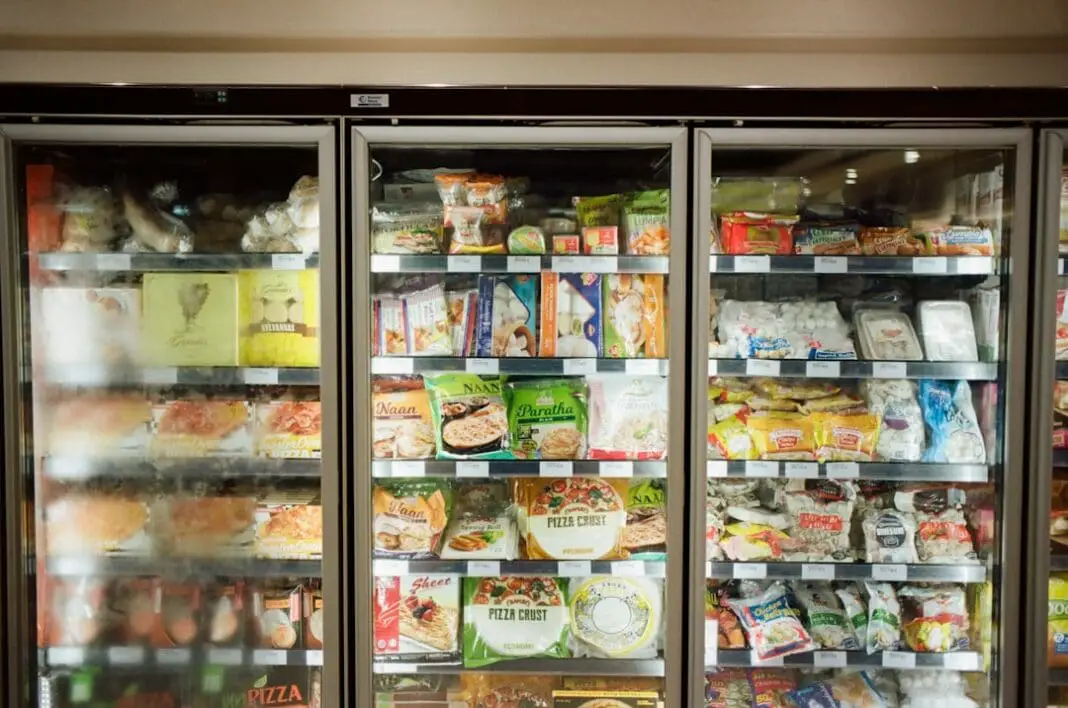
If you’ve bought frozen fried rice, ramen, or dumplings anytime in the last year or so, stop what you’re doing and go check your freezer. Ajinomoto Foods North America has recalled nearly 37 million pounds of frozen food products sold under some of the most familiar brand names in American grocery stores. We’re talking Trader Joe’s, Kroger, Ling Ling, Tai Pei, and Ajinomoto’s own label. The reason? Possible glass contamination traced back to the carrots used in the products.
This isn’t a small, regional recall. This is one of the largest frozen food recalls in recent memory, affecting products shipped to retail locations across the entire country. Some items were even exported to Canada and Mexico. Here’s everything you need to know, including which specific products are affected, how to identify them, and what to do if you have them sitting in your freezer right now.
How This Recall Grew So Quickly
The recall didn’t start at 37 million pounds. It started much smaller. On February 19, 2026, Ajinomoto Foods North America first recalled about 3.37 million pounds of frozen, not-ready-to-eat chicken fried rice products. That alone would have been a big deal. But then on March 3, the company expanded the recall by roughly 33.6 million additional pounds, bringing the combined total to just under 37 million pounds. The expansion brought in 16 different products, covering fried rice, ramen, and shu mai dumpling items made with both chicken and pork.
Then on March 20, the recall grew again. Ajinomoto added nearly 10 million more pounds of product to the list. The recall was also updated on March 9 to clarify that products with the listed lot numbers are subject to the recall regardless of best-by date. So even if the date on your bag doesn’t match exactly, the lot number is what matters.
What Brands and Products Are Affected
This is the part that matters most. The recall covers products sold under five brand names: Ajinomoto, Kroger, Ling Ling, Tai Pei, and Trader Joe’s. Here’s a breakdown of the specific products named in the recall:
Trader Joe’s: Chicken Fried Rice, Vegetable Fried Rice, Japanese Style Fried Rice, and Chicken Shu Mai. The Chicken Fried Rice has best-by dates ranging from March 4, 2026, through February 10, 2027. The Vegetable Fried Rice covers best-by dates from February 28, 2026, through November 19, 2026. Japanese Style Fried Rice has best-by dates from February 28, 2026, through November 14, 2026. And the Chicken Shu Mai has best-by dates from March 13, 2026, through October 23, 2026.
Kroger: Chinese Inspirations Chicken Fried Rice.
Ling Ling: Restaurant Style Fried Rice Yakitori Chicken.
Tai Pei: Chicken Fried Rice and Ultimate Fried Rice.
Ajinomoto: Tokyo Style Shoyu (Soy Sauce) Ramen With Chicken, Authentic Japanese Style Fried Rice, Kurobuta Pork Fried Rice, and Yakitori Chicken with Japanese-Style Fried Rice (1.53-kilogram cardboard packages).
All recalled products were produced between October 21, 2024, and February 26, 2026, which is a very wide production window. Best-by dates on the affected items range from February 28, 2026, all the way through August 19, 2027. That means even products you bought months ago and haven’t touched could be part of this recall.
How to Check if Your Frozen Food Is Recalled
Grab the package out of your freezer and look for two things. First, find the USDA mark of inspection on the packaging. Inside that mark, you’ll see an establishment number. The recalled products bear one of three establishment numbers: P-18356, P-18356B, or P-47971. If your product has one of those numbers, it’s part of the recall.
Second, check the lot number. The USDA confirmed that products with the listed lot numbers are subject to the recall regardless of the best-by date printed on the package. This is an important distinction because earlier versions of the recall focused on best-by dates as the identifier. Now, the lot number is what counts.
If you’re unsure about your specific product, you can call Ajinomoto Foods North America Consumer Affairs at (855) 742-5011 or email customercare@ajinomotofoods.com. You can also call the USDA Meat and Poultry Hotline at 888-674-6854.
Where the Glass Came From
This is the part that surprised a lot of people. The glass didn’t come from some factory equipment malfunction or a broken container on the production line. According to the USDA’s investigation, the contamination was traced to the carrots used as an ingredient in the products. Specifically, Ajinomoto determined that a “vegetable source ingredient” was the likely source of the glass contamination.
The glass fragments reportedly varied in size, with pieces measuring up to 3 centimeters long and 2 to 4 millimeters wide. That’s a noticeable piece of glass. Consumer complaints about finding glass in the food were what initially alerted regulators to the problem, and the investigation snowballed from there as the company realized how many products used the same carrot supply.
This Is a Class I Recall
Not all recalls are created equal. The USDA classifies recalls into tiers based on severity, and this one was designated as a Class I recall, which is the most serious category. The USDA defines Class I as “a health hazard situation where there is a reasonable probability that the use of the product will cause serious, adverse health consequences or death.” That language is as serious as it gets from a federal agency.
Despite that classification, there have been no confirmed reports of injuries linked to the recalled products as of the most recent updates. That’s the good news. But given that pieces of glass up to 3 centimeters long were found, the classification makes sense. This isn’t a situation where you want to take your chances.
Where the Products Were Sold
The short answer: everywhere. These products were shipped to retail locations nationwide. Trader Joe’s stores across the country carried the affected items. Kroger locations stocked their branded version. Ling Ling and Tai Pei products sit in freezer aisles at major grocery chains across the U.S. Some Ajinomoto-branded items were also exported to Canada and Mexico.
Retailers were expected to pull affected items from shelves, and Trader Joe’s posted a notice on March 3, 2026, announcing it was recalling certain frozen products “in an abundance of caution.” But given the sheer volume of product involved (nearly 37 million pounds is a staggering amount of food), officials noted that some of these products are almost certainly still sitting in people’s freezers at home.
What You Should Do Right Now
If you have any of the products listed above in your freezer, do not eat them. You have two options: throw them away, or return them to the store where you bought them for a full refund. Either way, they need to go.
This applies even if the bag looks fine and you haven’t noticed anything unusual. The glass fragments are not necessarily visible from the outside of the packaging. Some pieces are small enough that you might not spot them until they’re already mixed into a hot bowl of rice or ramen. Don’t rely on a visual inspection to decide whether your bag is safe.
If you’ve already eaten a recalled product and have concerns, the USDA recommends calling their Meat and Poultry Hotline at 888-674-6854. You can also submit consumer complaints online at foodcomplaint.fsis.usda.gov.
Why This One Is Such a Big Deal
Frozen fried rice, ramen, and dumplings are some of the most popular convenience foods in America. These aren’t niche products from specialty shops. They’re the stuff that fills shopping carts at Trader Joe’s and Kroger every single week. Tai Pei and Ling Ling are staples in the frozen aisle at grocery stores from coast to coast. When a recall hits products this common, the odds that someone you know has one of these bags in their freezer are pretty high.
The production window is also worth paying attention to. Products made between October 2024 and February 2026 are included. That’s roughly 16 months of production. And with best-by dates stretching all the way to August 2027, there are products covered by this recall that won’t “expire” for over a year from now. People who stock up on frozen food during sales or who buy in bulk could easily have multiple recalled items buried in the back of their freezer without knowing it.
If you know anyone who regularly buys frozen fried rice or dumplings, do them a favor and pass this information along. Nearly 37 million pounds of food is a lot. The odds are better than you’d think that someone close to you is affected.

