

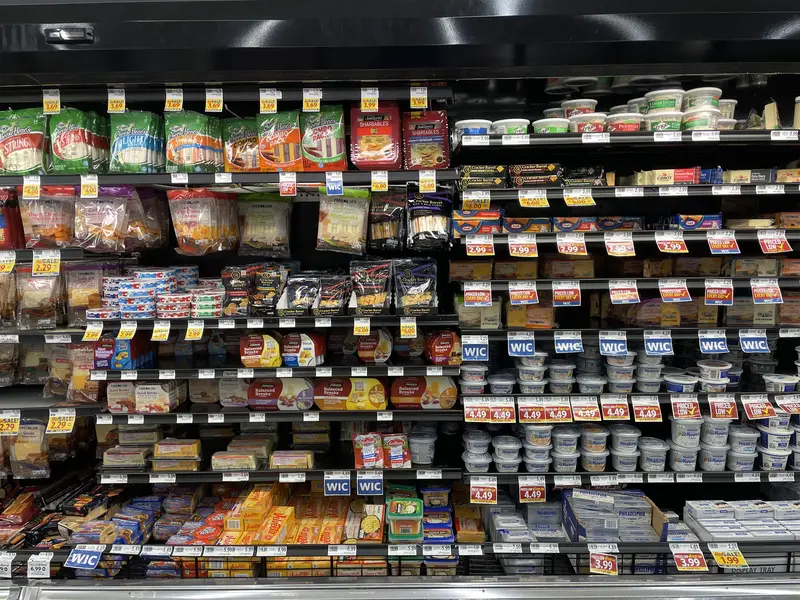
If you keep a tub of soft, crumbly cheese in your fridge for spreading on toast or stirring into a pot of beans, stop and read this before your next snack. Federal health officials are tracking a multistate outbreak tied to a single dairy, and the people getting hit hardest are older adults. As of June 24, 2026, twelve people across four states have been confirmed sick. Ten of them ended up in the hospital, and one person in Maryland has died.
The food in question is requesón, a fresh, soft cheese that looks and acts a lot like ricotta. It shows up in a ton of Hispanic households, scooped onto tortillas, mixed into fillings, or eaten plain. And right now, the brand at the center of all this has had its entire cheese lineup pulled off shelves. Here’s what’s going on and what you should actually do about it.
The Cheese That Started It All
The maker is Clover Hill Dairy, a small operation in Mechanicsville, Maryland. It started with a recall of its requesón and soft ricotta cheese on June 5, 2026. By June 18, the company had expanded that recall to cover every single cheese product it makes. Not one flavor. Not one batch. All of it.
The cheese went out in a few different shapes. There were 10, 12, and 14-ounce clamshell containers sold to regular shoppers. There were also giant 2-gallon and 5-gallon buckets sold to other businesses that repackaged the stuff under their own labels. One of those buckets, an unopened 18-pound container with a sell-by date of 6/14/26 and batch number 2AA051526, is what cracked the whole case open when New York officials tested it and found bacteria inside.
If you’ve got a Clover Hill clamshell at home, the giveaway is plant number 24-128 printed on the label. That number tells you the cheese came from this dairy no matter what brand name is slapped on the front.
It’s Hiding Under Names You’d Never Guess
Here’s the part that makes this tricky. Because the cheese got sold in bulk and repackaged, it ended up wearing a bunch of different jerseys. The same product could be sitting on a shelf under the names KESSO, Quesos la Ricura, Izalco, De mi Pueblo, or Rio Lindo. You might have bought it thinking you grabbed one brand when it was really the recalled cheese all along.
That’s why the plant number matters so much. The label on the front can say almost anything, but 24-128 is the fingerprint. Officials have flat out said the cheese was likely repacked at retail stores, so the labeling and coding can change depending on where you bought it. When in doubt, toss it.
A Second Recall Just Landed
As if one recall wasn’t enough to keep straight, a second company joined the pile. On June 26, 2026, La Ceiba Foods Latin Market Inc. pulled certain requesón it had repackaged and sold. Look for the names Requesón Salvadoreño, labeled as Ricotta Style Salvadorean Cheese, and Requesón Mexicano, labeled as Mexican Cottage Cheese. Both went out under the La Colonia and Selectos Latinos brands.
Those products hit supermarkets, retail stores, and restaurants in Maryland, Virginia, and Washington, D.C. between May 11 and June 1, 2026. There was also a separate batch of one-pound requesón packages from Nelson & Isa Lacteos in Bay Shore, New York, sold in clear plastic clamshells at New York stores from May 15 to May 28. Different names, same trouble.
Where the Cheese Traveled
The confirmed distribution stretches across North Carolina, New York, Virginia, Maryland, New Jersey, and Washington, D.C. But here’s the thing about cheese that gets bought in bulk and resold. It moves. Officials have warned the cheese could have traveled to states beyond that list.
And they were right to hedge. The outbreak has already turned up a confirmed case in Illinois, which is nowhere near the six original jurisdictions. That single case tells investigators the cheese spread farther than anyone first thought. A lot of it changed hands at farmers markets and small neighborhood shops, the kind of places where a product passes through a few sets of hands before it lands in your kitchen.
This Has Been Going On for Three Years
Now for the genuinely jaw-dropping part. This isn’t a problem that started last month. When investigators lined up the dates that sick people’s samples were collected, they ran from March 6, 2023, all the way to June 2, 2026. That’s more than three years of the same bacteria strain circulating before anyone connected the dots and pulled the cheese.
How does something slip by for that long? Testing showed the bacteria wasn’t just in the cheese. It was living inside the facility itself. Samples taken from the dairy’s environment matched the strain found in the cheese and in the patients. A second environmental sample collected on June 24 came back positive too. That points to contamination baked into the production setup, not a one-time accident. Maryland has since suspended the dairy’s operating license.
Why Older Adults Keep Showing Up in the Numbers
The confirmed patients in this outbreak range in age from 16 to 81, with a median age of 55. Most are women, and the majority identified as Hispanic, which lines up with requesón being a staple cheese in a lot of Hispanic homes. But the reason older Americans keep landing in these stories isn’t a coincidence.
As the body gets older, it gets worse at fighting off this kind of bug. The FDA notes that people 65 and up are at higher risk from foodborne illness, and that more than half of all infections from this particular bacteria happen in that age group. The stomach makes less acid, food moves slower through the system, and the immune system simply isn’t what it was at 30. Soft cheeses are a known trouble spot because nobody cooks them before eating, so there’s no heat step to wipe out anything lurking inside.
The Fridge Won’t Save You
Most of us assume the cold keeps food in check. With this bacteria, that’s just not true. It survives in the refrigerator and keeps growing at the temperatures your fridge runs at, somewhere between 34 and 40 degrees. So a tub that’s been sitting in there for weeks isn’t getting any cleaner. It can also spread to other foods and to the shelves, drawers, and containers it touches.
Symptoms are another reason this stays sneaky. They usually show up within two weeks of eating contaminated food, but they can hit the same day or take as long as ten weeks to appear. Reported signs have included fever, muscle aches, tiredness, nausea, and diarrhea, with more serious cases bringing headache, stiff neck, confusion, and loss of balance. Because the lag can be so long, more illnesses tied to this batch could still surface.
What to Do Right Now
Go check your fridge. If you’ve got any soft requesón, ricotta-style cheese, or queso fresco that might trace back to these recalls, don’t eat it and don’t taste it to see if it’s fine. The advice from officials is simple: throw it out or take it back to the store where you bought it.
Then clean up after it. Wipe down the refrigerator, scrub any containers that held the cheese, and clean the surfaces it may have touched. Since the bacteria can hang around and spread, a quick rinse won’t cut it. If you bought cheese loose from a farmers market or a small shop and you can’t tell where it came from, treat it as suspect. The repackaging is exactly what makes this batch so hard to track.
If you’re shopping for an older parent or grandparent, this is a good week to do a fridge sweep for them too. The people most likely to end up in the hospital from this are the ones least likely to be scrolling for recall news. A two-minute check beats a hospital visit every time. And if anyone in the house starts running a fever or feeling off after eating soft cheese lately, that’s a call worth making to a doctor sooner rather than later.
Requesón itself isn’t the villain here. Plenty of people have eaten it their whole lives without a second thought. The problem is one dairy with a contamination issue that went unnoticed for years, and a supply chain that scattered its cheese under a half-dozen different names. Until the investigation wraps up, the smart move is to know what’s in your fridge, check that plant number, and when something looks even a little questionable, let it go.

