

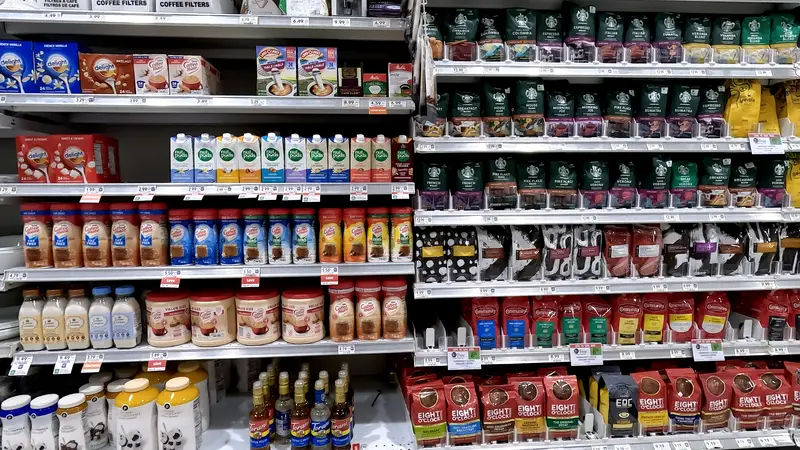
About 62% of Americans drink coffee every single day, which means most of us are pouring money into a habit we barely stop to think about. We grab the same familiar can our parents bought, brew it on autopilot, and never ask whether it actually tastes good or whether we are just used to it. Here is the honest truth: a lot of the biggest names on the shelf are coasting on nostalgia, cutting corners on beans, and selling you stale, over-roasted coffee at a price you should not be paying. I ranked the offenders from worst to best, and I finished with the one bag I actually think is worth your money. Let’s get into it.
10. Folgers (The Worst of the Bunch)
Folgers has been America’s top-selling coffee for decades, but popularity and quality are not the same thing. This is a mass-market blend built on low-grade Robusta beans cut with cheap Arabica, and you can taste it. According to Prepared Cooks, the combination of over-roasted beans and long warehouse storage creates a harsh, burnt flavor that masks any real coffee character. Everything Folgers sells is pre-ground, which means the freshness is basically gone before you ever pop the lid. There are no organic options and no sustainability certifications, despite the feel-good language on their website. If you find yourself dumping in sugar just to make it drinkable, that is not a you problem. That is a Folgers problem. Most people keep buying it out of pure habit, not preference.
9. Maxwell House
Maxwell House launched in 1892 and ruled American kitchens for over a century, but that reign has been running on fumes since the 1980s. The brand, owned by Kraft, follows the exact same playbook as Folgers: an Arabica and Robusta blend that leans bitter, zero organic line, and not a single whole-bean option. As The Chef Recipe points out, every product is pre-ground, and those cans can sit on store shelves for months before you buy them. Ground coffee loses roughly 60% of its flavor within two weeks, so by the time it hits your cup, you are basically drinking brown water with a familiar label. People buy Maxwell House because the can looks like home, not because it earns its spot.
8. Nescafé
Nescafé is the giant instant brand owned by Nestlé, and longtime drinkers say it has quietly gone downhill. The most common complaint? The recipe changed, and the flavor went with it. WorstBrands notes that even loyal customers are walking away, saying the taste has declined significantly. Crafty Your Happy Place was even blunter, reporting that fans now call the taste “dismal at best.” There are no organic offerings here either. When a brand this size keeps tweaking the formula to shave costs, the person who pays for it is you, one flat, forgettable cup at a time. Convenience is the only thing Nescafé still has going for it, and convenience alone is not worth a bad morning.
7. Yuban
Yuban is one of those brands that used to have a genuine following, and that is exactly why the current version stings. Loyal customers keep saying the same thing: it does not taste the way it used to. As WorstBrands explains, the recipe appears to have been altered, most likely because rising raw-material costs pushed the company toward cheaper beans and cost-cutting measures. That is the recurring theme with these legacy supermarket brands. They coast on a name people trust, then quietly swap in lower-quality ingredients hoping nobody notices. Plenty of people did notice. If your parents swore by Yuban and you cannot figure out why your can tastes different, you are not imagining it. This is not the same coffee it was a generation ago.
6. Café Bustelo
I know, I know. That bright yellow can has serious personality, and the Latin-inspired branding makes it feel like a hidden gem. Here is the catch: Café Bustelo is owned and distributed by J.M. Smucker, the same parent company behind Folgers. As Recipe Heaven lays out, the brand holds no certifications for ethical sourcing or environmentally friendly practices, and it skips organic varieties entirely. For all the marketing about bold taste and heritage, the company will not verify where the beans come from or how the people harvesting them are treated. The espresso-style grind does deliver a punchy cup, so it lands ahead of the truly sad instant options. But you are paying for the vibe, not for transparency or quality you can actually confirm.
5. Seattle’s Best
The name sounds premium, and that is the whole trick. Seattle’s Best was created by Starbucks (and now sits under Nestlé) specifically to compete with budget brands like Folgers and Maxwell House. In other words, it was engineered from day one to hit a low price point for shoppers who assume the fancy name means fancy beans. Recipe Heaven notes that, unlike the flagship Starbucks line, Seattle’s Best does not follow the same environmental and ethical standards and offers no organic varieties. It is perfectly drinkable in a pinch, which is why it beats the bottom four. But do not let the wording fool you into thinking you are getting a step up. You are paying grocery-brand money for grocery-brand coffee wearing a nicer outfit.
4. Standard Keurig K-Cups and Green Mountain
Pods are the ultimate convenience play, and convenience is precisely the problem. Standard K-Cups deliver more waste than flavor. The little cups are notoriously hard to recycle, and the coffee sealed inside is usually stale, flat, and uninspired thanks to the pre-ground, long-shelf-life model, according to Crafty Your Happy Place. Green Mountain, which lives in that same pod ecosystem, used to be a genuinely respected quality-driven roaster. Then came the corporate acquisition. AI4Beginners reports that quality and reputation slipped once the brand shifted from artisanal roaster to mass production. If you love the one-button routine, do yourself a favor and grab a reusable pod you can fill with fresh grounds. Your cup and your wallet will both thank you.
3. Death Wish Coffee
Death Wish built its entire identity around being the strongest coffee on the planet, and that gimmick has a real fan base. But strong is not the same as good. 24/7 Wall St. points out that a one-pound bag runs around $20, the beans are mostly a blend of Arabica and lower-grade Robusta, and the brand stays vague about exactly where those beans originate. Drinkers also complain that the whole beans are so oily they gum up standard home grinders. It does carry a fair-trade USDA organic label, which nudges it up the list. Still, AI4Beginners notes the brand recalled its Nitro Cold Brew back in 2017 and has since tangled in trademark disputes. Twenty dollars for an oily novelty blend is a hard sell.
2. Starbucks
Starbucks lands near the top because, quality-wise, the beans genuinely outclass the supermarket cans above it. That said, the brand is dealing with a serious credibility problem. A proposed class-action lawsuit filed in January 2026 accuses Starbucks of misleading shoppers with its “Committed to 100% Ethical Coffee Sourcing” pledge printed right on the packaging, as reported by Daily Coffee News. The complaint cites documented labor violations at farms certified under the company’s own program. All About Lawyer notes it follows an earlier 2024 case over the same claim that a judge allowed to move forward in 2025. Starbucks firmly denies the allegations. Great beans, but if the marketing promises do not hold up, that is worth knowing before you commit.
1. Mayorga Organics (The One Worth Buying)
Here is where I actually want your money to go. When Crafty Your Happy Place looked for a real alternative to those bold, Latin-inspired supermarket cans, the pick was Mayorga Organics Café Cubano Roast, and it is easy to see why. This is the anti-Folgers. You get organic beans, actual transparency about sourcing, and whole-bean bags you can grind fresh at home so you are not drinking coffee that lost its soul in a warehouse months ago. It hits that same rich, dark, punchy profile the Café Bustelo crowd is chasing, except you can verify what you are buying. The lesson across this whole list is simple. Skip the legacy names coasting on habit, buy whole beans from a roaster that tells you where they came from, and grind them yourself. Your morning cup deserves better than brown liquid that vaguely resembles coffee.
The bottom line? Most of the brands crowding the middle aisle survive on familiarity, not flavor. Once you switch to something fresher and better sourced, you rarely go back, and you will wonder why you spent so many years drinking on autopilot.

