

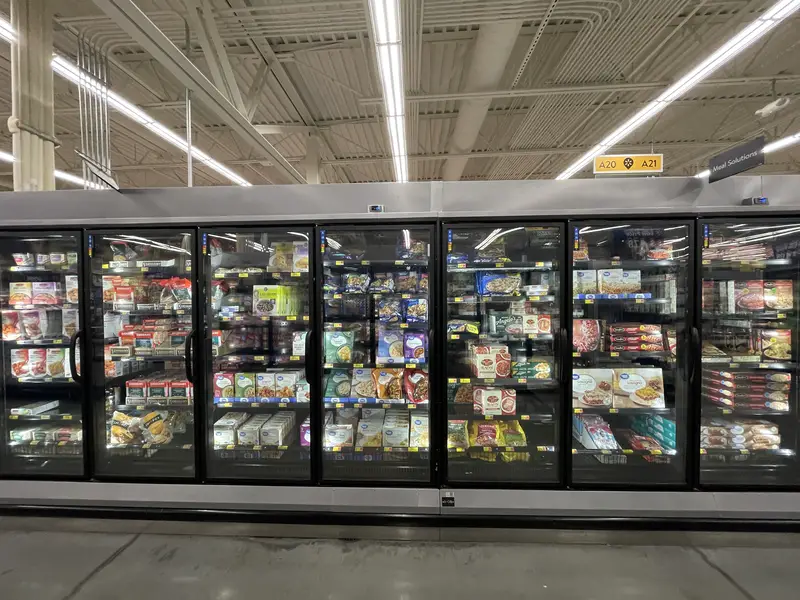
A 22-ounce yellow plastic bag of frozen lemon alfredo fettuccine has been sitting in freezers across the country, and the date stamped on the back of it says it can keep sitting there until 2027. Gias Foods pulled two lots of Bettergoods Authentic Italian Lemon Alfredo Fettuccine from Walmart stores nationwide on September 15 over possible Listeria monocytogenes contamination. The FDA has since given that recall its most serious risk classification, Class I.
A Class I designation means there is a “reasonable probability” that use of or exposure to a recalled product will cause serious adverse health consequences or death, according to the FDA. That is the top of the scale. It is not a label typo, not a missing ingredient on the back panel, not a paperwork fix.
The Two Lot Numbers That Matter
The recall covers exactly two lots of one product. Both are marked with UPC 194346442706, and both come in a 22 oz yellow plastic bag. Lot L6079C carries an expiration date of 09/19/2027. Lot L6080C carries an expiration date of 09/20/2027. The lot number and the date are both stamped on the back of the packaging, not the front, so you have to flip the bag over to know what you own.
If the codes on your bag do not match either of those two lots, your bag is not part of this recall. That distinction matters more than usual here, because frozen pasta in a bag looks identical from lot to lot. The numbers are the only way to tell.
What A Class I Recall Actually Means
The FDA sorts recalls into three classes based on the potential severity of the impact on public health. Class III sits at the bottom. Class I sits at the top, and that is where this one landed.
The classification describes how bad the worst case could be, not how likely it is that any single bag is affected. Sampling indicated the finished product may contain Listeria monocytogenes. That word “may” is doing real work in the recall notice, and it is the reason the company is asking for the product back rather than waiting for a confirmed problem to show up somewhere.
Two State Labs Caught It, Not The Company
The recall came out of routine sampling by the Washington State Department of Agriculture and the Florida Department of Agriculture and Consumer Services. Both agencies test food products as a matter of course, and their sampling of the finished fettuccine indicated the bacteria may be present. Gias Foods announced the recall on September 15, according to the company’s own announcement.
Note that the testing hit the finished product, meaning the sealed bag headed for a store shelf, not a raw ingredient somewhere upstream. What caused the potential contamination has not been determined. Gias Foods has ceased distribution while the company and the FDA keep investigating.
Cold does not settle the question either. Listeria monocytogenes “can survive and grow even under refrigeration,” the FDA says on its website, which is part of why a cold-chain product gets tested at the end of the line instead of trusted to stay clean.
No Illnesses Have Been Reported
No illnesses have been reported in connection with the recalled product, the company said. That was true when the recall was announced on September 15 and it was still the reported status days later, when the recall alert went wide.
The recall notice describes Listeria monocytogenes as an organism that can cause serious and sometimes fatal infections in young children, frail or elderly people, and others with weakened immune systems. The notice also says infection can cause miscarriages and stillbirths among pregnant women. That language is standard in Listeria recalls, and it is a straight description of the risk category, not a report of anything that has happened with this pasta.
Bettergoods Is Walmart’s Label, But Gias Foods Made It
Bettergoods is Walmart’s own brand, which is why this reads as a Walmart story. The recall itself was issued by Gias Foods, the New York-based producer that made the pasta and put it into the yellow bag. The product was distributed nationwide at Walmart Inc. stores.
Walmart’s corporate recalls page carries the Gias Foods notice under its food recalls list, dated September 15, 2026, and marked as sold at Walmart stores. The retailer says that when a product is recalled it works to block the item from being sold and remove it from stores and clubs.
One thing worth understanding about how these notices reach the public: the FDA posts company recall announcements as a public service, and the agency notes that publishing an announcement does not amount to an endorsement of the product or the company. The words in the notice are the company’s words.
How To Get Your Money Back
Consumers who bought either affected lot should return the product to the place of purchase for a full refund, according to Gias Foods. The bag goes back to the Walmart you bought it from.
Customers with questions can contact Gias Foods at sales@giasfoods.com or 917-675-4890. The company said email inquiries will get a response within 24 hours.
If you would rather not make the trip, the other option is to throw the bag out, which costs you the price of the pasta. Our honest advice: the return is worth doing, because a Class I recall is not the moment to squint at a bag and hope. Fifteen minutes at the service desk beats the alternative, and you get the full purchase price back.
A 2027 Date Is Why This One Hides
Most recalled groceries solve themselves. Fresh produce rots, bread goes stale, milk turns, and the window in which anyone could still have the product is measured in days. Frozen food does not work that way, and neither do the dates on this bag.
Because the pasta is frozen and the expiration dates run all the way to September 2027, shoppers are being urged to go look at what is already in the freezer rather than assume the store shelves were the only problem. A bag bought this fall could sit behind the ice cream for a year and still look perfectly fine. Nothing about its appearance will change to remind you.
Anyone who buys in bulk or stocks up on freezer dinners when they are on sale should check the lot codes on every bag, not just the one in front. Two lots means two different production runs, and both could easily have ended up in the same cart on the same trip.
Walmart Does Not Text You About Recalls
A recall this big pulls scammers out of the woodwork, and Walmart says so directly on its own recalls page. The company warns that scammers may send messages falsely claiming to be product recall notifications in order to steal personal information.
Walmart says it does not send text messages about product recalls at all. Recall information is communicated through official websites and direct email notifications. So if a text lands on your phone offering a refund on frozen pasta and asking you to tap a link, that is not the retailer.
The company asks customers who think they got a fraudulent text to screenshot it and email it to OnlineAbuse@walmart.com. Sending the screenshot costs nothing and takes a minute.
The Short Answer On This One
Flip the bag. Look for L6079C or L6080C next to an expiration date of 09/19/2027 or 09/20/2027, with UPC 194346442706 on the package. Those five details are the entire recall.
Two facts are sitting next to each other in this story and both are true. No illnesses have been reported. And the FDA still put the recall at Class I, the classification reserved for situations where there is a reasonable probability of serious consequences. Regulators do not hand that designation out for a bad batch of sauce.
The rest of the Bettergoods freezer aisle is not implicated. This is one product, two lots, from one supplier, caught by state inspectors doing routine sampling before anyone reported getting sick. That is the system working roughly the way it is supposed to, and it only works the rest of the way if the bag in your freezer makes it back to the store.

