
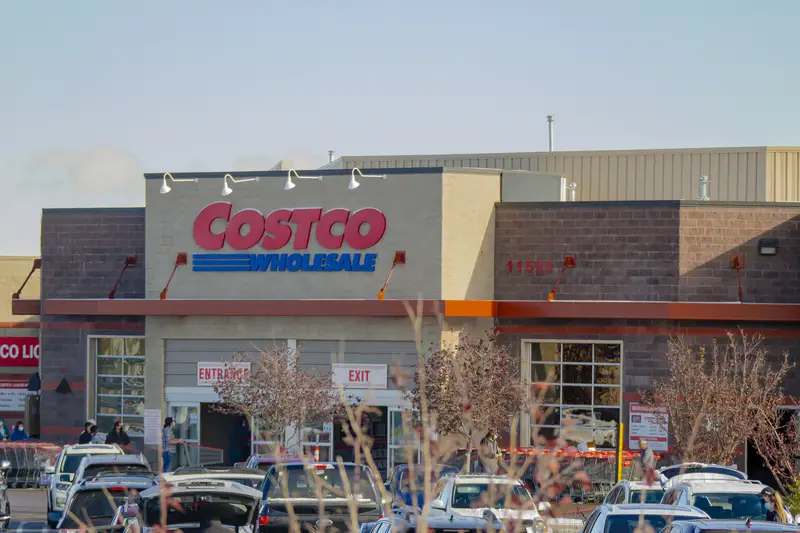
You hand over your card, the cart gets loaded, and that long receipt prints out like a CVS ribbon you could use as a scarf. Most of us barely glance at it before crumpling it up. But right now there are real reasons to slow down and actually read the thing. Police departments and Costco itself have been telling shoppers to pay closer attention to their receipts, and to any message claiming to be about one. Some of these warnings are about losing a few bucks. A couple are about losing thousands.
The Email That Looks Exactly Like a Real Costco Order
This is the sneaky one, because it does not look fake at all. As of June 2026, shoppers started getting what looks like a genuine Costco order confirmation. Official formatting, real branding, purchase details, the whole deal. The trick is that scammers appear to be abusing email forwarding so a real confirmation lands in inboxes it should not. Then they slip a fake message into the shipping name or address field, something like “Order in transit, call to cancel,” followed by a phone number. Call that number and a calm, polite person picks up pretending to be Costco support. They will mention a billing mistake or an overcharge, then try to talk you into installing remote software so they can “fix” it. After that they walk you through fake refund steps and pressure you to wire money or buy gift cards. One shopper shared the whole ordeal online. Real Costco emails never ask you to call a random number for something urgent.
The Text That Says Costco Owes You for an Overcharge
If you get a text saying Costco wants to pay you back for an overcharge on your receipt, just delete it. This is one of the most common tricks going around. The message references your receipt, sounds helpful, and includes a link. Tap it and you land on a page asking for your banking info. Here is the tell: a real overcharge gets refunded automatically. Costco is not going to text you a link to collect your account numbers. As one fraud expert put it, these messages work by making you feel rushed, and if you feel rushed, that is the scam talking. If you ever think you were genuinely overcharged, call Costco yourself using the number on their official site, not one that showed up in a surprise text.
Costco Keeps a Public List of Scams Using Its Name
Here is something most members do not know. Costco runs a page that lists the fake emails, texts, and posts currently floating around using its name, and it gets updated often. The June 2026 version named a long lineup, including overcharge reimbursement texts, loyalty reward texts, a free television giveaway, membership expiration notices, a Yeti wagon offer, and “Executive Member Enhancement” messages. There is even a fake phone scheme where callers already have your name, address, and number, then claim a fraudulent account was opened in your name overseas with police supposedly already involved. That is pure pressure tactics. You can check the official list any time something feels off. Costco also points members toward the Federal Trade Commission for reporting. Bookmark it. It is a lot more useful than guessing whether that weird text is legit.
Why That Person at the Door Is Really Checking Your Receipt
Everybody has a theory about the receipt checker at the exit. As of early 2026, plenty of shoppers said the checks felt slower and stricter, with longer lines and closer looks at the cart. Retailers across the country have been tightening security as theft and lost inventory climb into the billions every year. But here is the part people miss. The check is not really about catching shoplifters. A Costco store manager told a reporter the goal is making sure you are not overcharged or undercharged, and that if an extra item ended up in your basket, that is on Costco, not you. The policy has been around since the company started in Seattle back in 1983. Workers are mostly counting high-value items or spotting bulk mismatches, not eyeballing your bananas. So the next time you are stuck in that exit line, that is also a free second set of eyes on your receipt.
The Lawsuit That Could Make Old Receipts Worth Keeping
This one is a genuine reason to stop tossing receipts. A class action lawsuit filed in 2026 in Illinois federal court claims Costco overcharged millions of shoppers because of tariffs that the Supreme Court later ruled unlawful in February 2026. The argument is that Costco could come out ahead twice, once from higher prices customers paid at checkout between February 2025 and February 2026, and again from government refunds on those import duties. Lawyers call that unjust enrichment. Costco’s CEO said any recovered money would likely go toward lowering prices down the road, but the lawsuit argues that helps future shoppers, not the ones who already paid more. Costco asked a judge to throw the case out in May 2026. If it moves forward, the group could include millions of members who shopped during that window. Knowing what you paid and when could matter, which is exactly why consumer advocates say hang onto those receipts.
The Parking Lot Setup Police Have Flagged
Not every Costco scheme happens on a screen. Police in Lynnwood, Washington once warned the public about a con that started right in the Costco parking lot. A man would approach women and ask them to talk to his “attorney” on his cell phone. The voice on the line would then ask the victim to drive the man to a nearby fast food spot, where a second person was waiting. Together they talked people into “loaning” them money with promises of a big return. Victims lost between $5,000 and $10,000 and never got it back. A police spokesperson said it plainly: if it did not work, people would not keep doing it. Older shoppers and folks who speak English as a second language were targeted most. The lesson holds up. If a stranger in a parking lot wants you to get involved in some quick money situation, walk away.
How to Keep From Getting Played
Most of this comes down to a few simple habits. Costco will never ask for your banking info through a text or email, and it does not run surprise surveys promising a free iPhone or TV. If a message creates a fake sense of urgency, expires today, call now, act fast, treat that as a red flag and not a reason to hurry. Watch the sender address too, since junk like “@costco-support.net” is not the real thing. When in doubt, do not click anything inside the message. Open the Costco app or type the website in yourself and check your orders there. Costco’s own fraud guidance says to delete questionable messages, stop and think before clicking, and report anything shady to the FTC and the FBI’s Internet Crime Complaint Center. If you already shared financial details, call your bank right away. None of this is complicated. It just takes five seconds of paying attention before you tap.
The Takeaway
Costco is a target for all of this because it is huge and people trust it. Tens of millions of members get real order emails and renewal notices all the time, which makes a fake one easier to swallow. So treat your receipt like it matters, because right now it does. Read it at the register. Save the ones from the tariff window in case that lawsuit goes somewhere. And ignore any text, email, or stranger insisting you owe or are owed money on the spot. The real Costco never rushes you. The people pretending to be Costco always do.

