

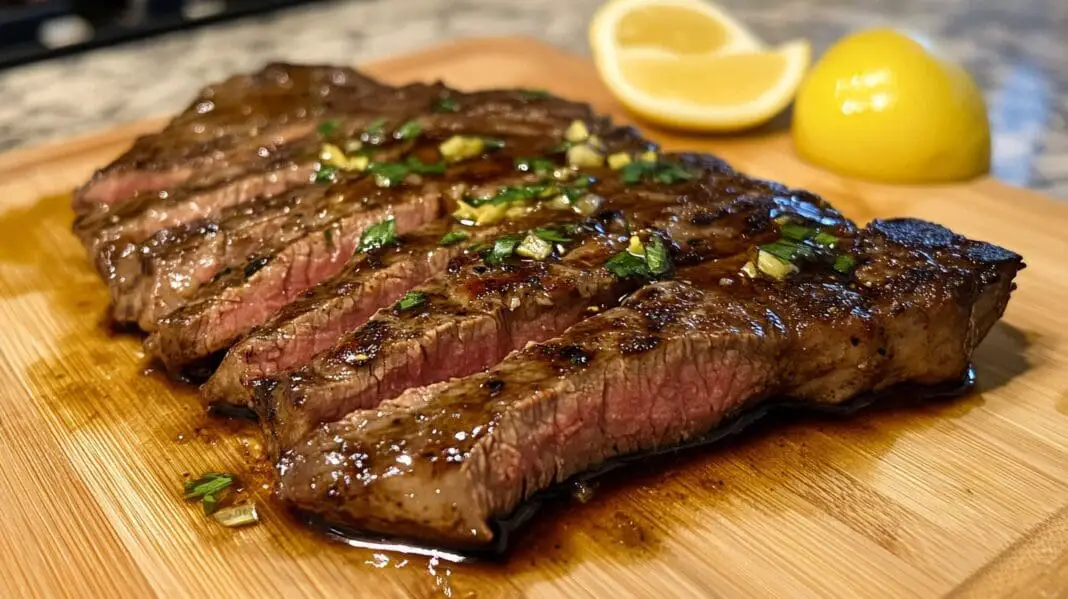
That bottle of Worcestershire sauce in your fridge door, the one with the label you can barely read, is the most underrated thing you own for cooking steak. Most people splash a little into a pot roast or a Bloody Mary and forget it exists. Use it as a straight-up marinade, though, and a cheap grocery-store steak starts tasting like something you would pay $40 for at a steakhouse. The team over at Mashed recently called it one of the easiest ways to give steak a huge jump in flavor, and after cooking this way for years, I am not going to argue.
The idea could not be simpler. You soak your steak in Worcestershire, let it sit, then cook it. That is the whole thing. But there is a right way and a wrong way, and the gap between a steak that tastes incredible and one that turns weirdly mushy comes down to a handful of details I will cover below.
Why This One Sauce Beats a Fancy Marinade
A good marinade usually needs three separate jobs done. Something acidic to soften the meat, something sweet to help it brown, and something savory to deepen the flavor. Worcestershire pulls off all three by itself. The vinegar in it gently tenderizes the surface, the sugar and molasses add sweetness and a glossy shine, and ingredients like onion, garlic, tamarind, and anchovy stack on that deep savory taste that makes beef taste more like beef. As the folks at Tasting Table put it, this one bottle basically replaces a whole shopping list.
That savory punch has a name, umami, and it comes from natural compounds called glutamates. When they hit the surface of a steak, they play up the meaty flavor that is already there instead of covering it up. Pair it with a little olive oil, and the two work together to keep the meat rich and moist over high heat, according to the flavor breakdown at Number Analytics. You are not trying to hide the steak. You are propping it up.
How to Actually Do It
Grab your steak and a zip-top bag or a shallow dish. Pour in enough Worcestershire to coat the meat, then press out the air and seal it so the sauce hugs every side. Straight Worcestershire is bold, and if it tastes too intense to you, cut it with a splash of water. Plenty of cooks like adding a couple tablespoons of olive oil too, which coats the meat and keeps it from drying out.
The guide over at Short Food Blog also points out you can brush the sauce on while grilling for a caramelized crust, but for real flavor that soaks in, the marinade route wins. Toss the bag in the fridge, never on the counter. Thirty minutes is the bare minimum. A couple of hours is the sweet spot for most steaks.
Pick the Right Cut or You Are Wasting Your Time
Not every steak wants a marinade, and this matters more than people think. Marinades mostly work on the surface. Salt travels deeper, but the big flavor molecules only reach about a sixteenth of an inch in, according to the testing done at AmazingRibs. That is why thin, loose-grained cuts win here. Skirt steak and flank steak drink up marinade beautifully because there is more surface area feeding every bite.
The recipe crew at Butter With a Side of Bread rates skirt steak, flat iron, tri-tip, and London broil as the top marinating cuts. Skirt is thin, cooks in two to three minutes a side over high heat, and carries flavor like a champ. Flat iron is honestly one of the most overlooked cuts at the meat counter, well-marbled and tender for the price. Tri-tip soaks up flavor and feeds a crowd. London broil is thick and tough, so it is the one cut that actually wants a long soak. A trick that helps all of them: score the surface in a shallow crosshatch with a sharp knife before it goes in the bag, so the sauce can sneak past the outer layer.
The One Mistake That Ruins Everything
Leaving the steak in too long. I cannot say this enough. That acid that tenderizes the surface keeps working the whole time, and if you forget the bag in the fridge overnight and then some, the outside of your steak turns soft and mushy in a bad way instead of tender. The sauce also starts to bully the natural beef flavor instead of backing it up.
Stick to a couple hours for most cuts. Push to overnight only for something thick like London broil, and treat 24 hours as a hard ceiling. The recipe pros at The Recipe Critic give the same warning about any acidic marinade: past a day, the meat goes tough and mushy on you. Set a timer on your phone if you are the forgetful type. I speak from experience.
Ways to Build on It
Straight Worcestershire is great on its own, but it plays well with others. For a classic steakhouse marinade, whisk it with olive oil, a little soy sauce for extra salt, a squeeze of fresh lemon, minced garlic, and cracked black pepper. That combo, close to what Dinner at the Zoo uses, gives you bright, salty, savory, and rich all at once. Want sweet heat? Stir in a spoonful of honey and a squirt of sriracha.
Feeling like a pitmaster? Worcestershire shows up in brisket injections, rib glazes, and burger blends for good reason. The barbecue crew at DDR BBQ Supply leans on it for smoked and grilled beef because it lands balanced, tangy, and a touch sweet all at once. There are bolder American bottles out there like Bear and Burton’s if you want more punch, but plain old Lea and Perrins from any grocery store does the job just fine.
Make It Ahead
If you build the full mixed marinade with oil, lemon, and garlic, you do not have to make it the day of. Whisked marinade keeps in the fridge for up to five days in a sealed jar, and it freezes for a couple of months if you want a batch on standby. That makes weeknight steak a five-minute prep job. Just remember the meat itself still only needs a couple hours swimming in it, so plan the soak, not the sauce.
Cooking It So the Flavor Pays Off
Take the steak out of the bag and let the excess sauce drip off. Pat it a little if you want a better sear, because a soaking-wet surface steams instead of browns. Get a cast-iron pan or your grill screaming hot. Since the marinade cooks first, the sugars in the Worcestershire caramelize and build a dark, savory crust. That crust is the whole payoff, and the salt on the surface is doing a lot of the seasoning work, as the food-science piece at Chowhound explains.
Cook thin cuts fast, two to three minutes a side, and always let the steak rest five to ten minutes before slicing so the juices settle back in. Slice against the grain, especially on skirt and flank, or it will chew tough no matter how good your marinade was. A pat of herb butter melting on top right before serving does not hurt one bit.
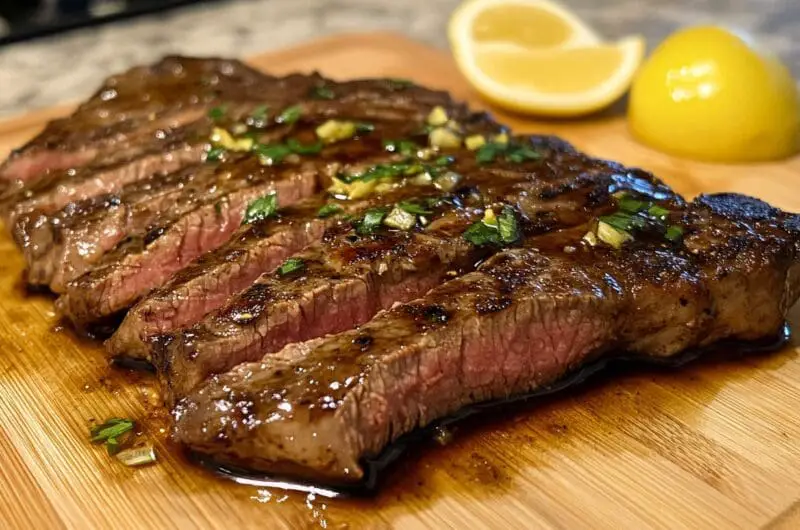
Worcestershire Steak Marinade
Course: DinnerCuisine: American4
servings15
minutes10
minutes350
kcalThe one bottle in your fridge door that turns a cheap steak into steakhouse flavor.
Ingredients
2 pounds skirt, flank, or flat iron steak
3/4 cup Worcestershire sauce
1/4 cup olive oil
2 tablespoons soy sauce
2 tablespoons fresh lemon juice
3 cloves garlic, minced
1 teaspoon cracked black pepper
1 teaspoon Italian seasoning
1/2 teaspoon red pepper flakes (optional)
Directions
- In a small bowl, whisk together the Worcestershire sauce, olive oil, soy sauce, lemon juice, garlic, black pepper, Italian seasoning, and red pepper flakes. Whisk until the oil blends into the sauce. This takes about five minutes.
- Lay the steak on a cutting board and score the surface in a shallow crosshatch with a sharp knife. This lets the marinade reach past the outer layer. Do this on both sides.
- Place the steak in a zip-top bag or shallow dish and pour the marinade over it. Press out the air, seal the bag, and move it around so every side is coated. Set it in the fridge.
- Marinate for at least 2 hours. For thick cuts like London broil you can go overnight, but never past 24 hours or the surface turns mushy. Set a timer so you do not forget it.
- Pull the steak from the bag and let the excess marinade drip off. Pat the surface lightly with a paper towel so it sears instead of steams. Discard the used marinade.
- Heat a cast-iron pan or grill until very hot. You want it screaming so the sugars in the marinade caramelize on contact and build a dark crust.
- Cook thin cuts for 2 to 3 minutes per side for medium-rare, longer for thicker cuts. Look for a deep brown crust before flipping. Do not crowd the pan.
- Move the steak to a board and rest it 5 to 10 minutes so the juices settle. Slice against the grain, especially on skirt and flank, and serve right away.
Notes
- Using plain Worcestershire on its own works great too, just soak the steak 30 minutes to 2 hours and cook as usual.
- The whisked marinade keeps in a sealed jar in the fridge for up to 5 days or in the freezer for 2 months.
- Always marinate in the refrigerator, never on the counter, and never past 24 hours or the surface turns soft.
Frequently Asked Questions
Q: Can I use Worcestershire sauce as a marinade all by itself?
A: Absolutely, and that is the whole point. Just pour enough to coat the steak and let it soak. If the flavor feels too strong for you, cut it with a little water or a splash of olive oil.
Q: How long should I marinate steak in Worcestershire?
A: Thirty minutes is the minimum, and a couple of hours gives you the best flavor for most cuts. Thick cuts like London broil can go overnight. Never push past 24 hours or the surface gets mushy.
Q: What is the best cut for a Worcestershire marinade?
A: Thin, loose-grained cuts win because they have more surface for the sauce to grab. Skirt, flank, and flat iron are top picks. Tri-tip and London broil also take marinade well, with London broil wanting the longest soak.
Q: Do I need to rinse the sauce off before cooking?
A: No, do not rinse it. Just let the extra drip off and pat the surface a little so it sears instead of steams. The marinade left on the meat caramelizes and builds that dark, savory crust.

