

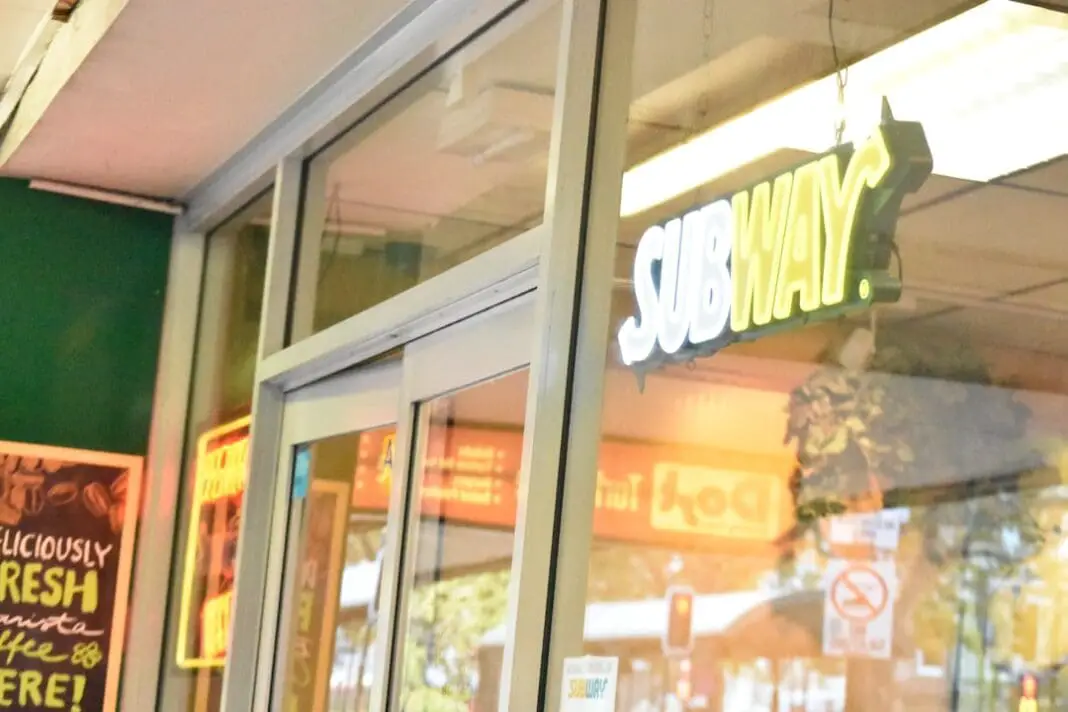
Subway went 20 years without a loyalty program. Then it brought one back in December 2025, waved free footlongs in front of loyal customers, and quietly clawed them back barely two months later. If you felt like you got played, you are not imagining things. That whiplash is a pretty good summary of the whole relationship between Subway and the people who still eat there.
The frustration is not one thing. It is prices, portions, disappearing stores, and a sandwich that a lot of folks say stopped being worth the trip a long time ago. Here is what actually has people annoyed.
The Free Sub That Vanished Almost Overnight
The revived Sub Club had a simple, generous promise. Buy three footlongs or six six-inch subs and get a free footlong, plus points on every order. People loved it because it felt like the old Subway that actually rewarded regulars. That warm feeling lasted about ten weeks.
Starting April 1, 2026, the free footlong reward disappeared and the whole thing got rolled back to a points-only system. You now earn points per dollar that convert to something called Subway Cash. On top of that, as of February 23, 2026, buying a discounted sandwich off the Fresh Value menu stopped earning stamps at all. The gut punch is who pushed for the change. Franchisees representing more than 5,000 locations signed a petition saying the new program was too good for customers and they were scared of losing money. In other words, the deal got killed because it worked.
The $5 Footlong Subway Can Never Take Back
Some marketing works so well it becomes a curse. The $5 Footlong ran from roughly 2008 to 2012, complete with that jingle stuck in every American’s head, and it permanently wired one idea into people’s brains: Subway is cheap. When the deal went away in the 2010s, plenty of customers never updated that number in their heads.
Now do the math on how far that jumped. Going from a $5 footlong to a $13 one is a 160% increase, and researchers who study this stuff say even a 21% price hike can tank demand. A jump that steep makes the sandwich feel unjustifiable, even when Subway’s prices are pretty average for the category. There is also the price-quality trick our brains play. When something costs more, we expect it to be better. Subway charges more and delivers roughly the same, so the disappointment writes itself.
Fifteen Bucks for a Sandwich That Feels Like a Compromise
Specialty footlongs can now run $15 to $18 depending on where you live. One Redditor summed up the mood perfectly: “I went to Subway the other day and spent $20 on my meal.” That is not a value lunch. That is a sit-down restaurant price for a sandwich you assembled by pointing through sneeze glass.
Fast food in general is drifting out of the convenience category and into something people treat as an occasional splurge. Prices at limited-service restaurants climbed 3.2% in a single year, faster than overall inflation, and menu prices are up 25% to 30% since COVID. When people cross the $15 line, they expect the food to feel special. A lot of Subway customers say local delis and even other chains give them more for the money, and they are quietly taking their $15 elsewhere.
Nothing but Bread
Price is only half the complaint. The other half is what you actually get for it. Skimpy toppings and thin bread show up constantly in customer gripes. One Facebook user described their sandwich as “nothing but bread” and added the killer line, “this is why nobody goes there.”
Longtime customers also swear the ingredients themselves slipped. As one person put it, the quality “took a huge nosedive” and it started well before the pandemic, not just with prices but with what goes between the bread. When you pay more and get three sad slices of meat and a fistful of lettuce, that combination stops feeling like a deal and starts feeling like a bad trade you keep talking yourself into.
Every Subway Is a Different Subway
Part of what makes Subway so maddening is that there is no such thing as a typical Subway experience. There are more than 20,000 franchises in the US, each run by a different owner with a different attitude about portions, freshness, and whether they will honor the coupon on your phone. You can hit one location that is clean and generous and another five miles away that is out of half the toppings and stingy with the rest.
That inconsistency is baked into the model. Local owners run their own stores their own way, which sounds nice until it means the brand feels like a coin flip. Subway is still technically the most popular sandwich chain in the country, beating Panera, Arby’s, and Jersey Mike’s, but satisfaction scores show that lead getting shakier by the year. It is hard to build loyalty when customers cannot predict what they are walking into.
The Stores Are Quietly Disappearing
You may have noticed a Subway near you went dark. You are not the only one. In 2025 the chain closed a net 729 US locations, its steepest drop in years, leaving fewer than 19,000 stores. A few years back there were more than 22,000. Roughly 800 more were temporarily closed as of last December. Franchisees are mostly just walking away when their leases and agreements run out, closing about 4% of locations a year.
Here is the weird part. Subway corporate reported $688 million in net income in 2025, way up from $397 million the year before. So the company is making money hand over fist, right? Not from selling sandwiches. Total franchise revenue actually fell more than 6% to $767 million, and the average location pulls in around $500,000 a year, which is low for the sandwich business. The profit is coming from cost-cutting and debt shuffling at the top, not from happy customers. The company also carries $5.7 billion in debt from Roark Capital’s buyout. Corporate is winning while the actual stores bleed out.
The People Making Your Sandwich Are Miserable Too
A rushed, sloppy sandwich usually has a rushed, underpaid person behind it. Subway crew members earn an average of $9 to $11 an hour according to worker survey data, with unstable hours on top of it. Jimmy John’s pays around $13 for the same job. Even shift leaders at Subway average $11 to $13, below the $15 that comparable chains pay.
Workers also describe constant pressure to build sandwiches as fast as humanly possible, especially during the lunch rush. When someone is being pushed to move that quickly for that little money, corners get cut. That is how you end up with unevenly spread toppings, stale bread, and the general “who made this” energy customers keep complaining about. The bad service and the bad pay are the same problem wearing two different shirts.
Why Jersey Mike’s Keeps Coming Up
Scroll any Subway complaint thread and one name shows up over and over. “Who in their right mind eats Subway at all, much less for a $15 foot long?” one customer wrote. “Jersey Mike’s is 5x better and usually cheaper if a fast sub is needed.” That is the whole story in one sentence. When a competitor is seen as better food for the same or less money, the value pitch collapses.
Subway also buried its best pricing inside its app, which pushes away older customers and anyone who does not want to join a digital club just to pay a fair price. Stack it all up and the anger makes sense. People feel like they were sold on cheap, hooked on a loyalty program, then hit with higher prices, smaller sandwiches, and a rewards rug-pull, all while the chain closes stores and posts record corporate profit. Subway once won America over on value and freshness. Right now a lot of customers say it is failing at both, and they are voting with the one thing that actually stings a struggling chain: their feet.
None of the individual complaints would sink a brand on its own. Together they explain why the parking lots are emptier and the online reviews are meaner. Until the price finally matches the sandwich, the fed-up crowd is only going to grow.

