

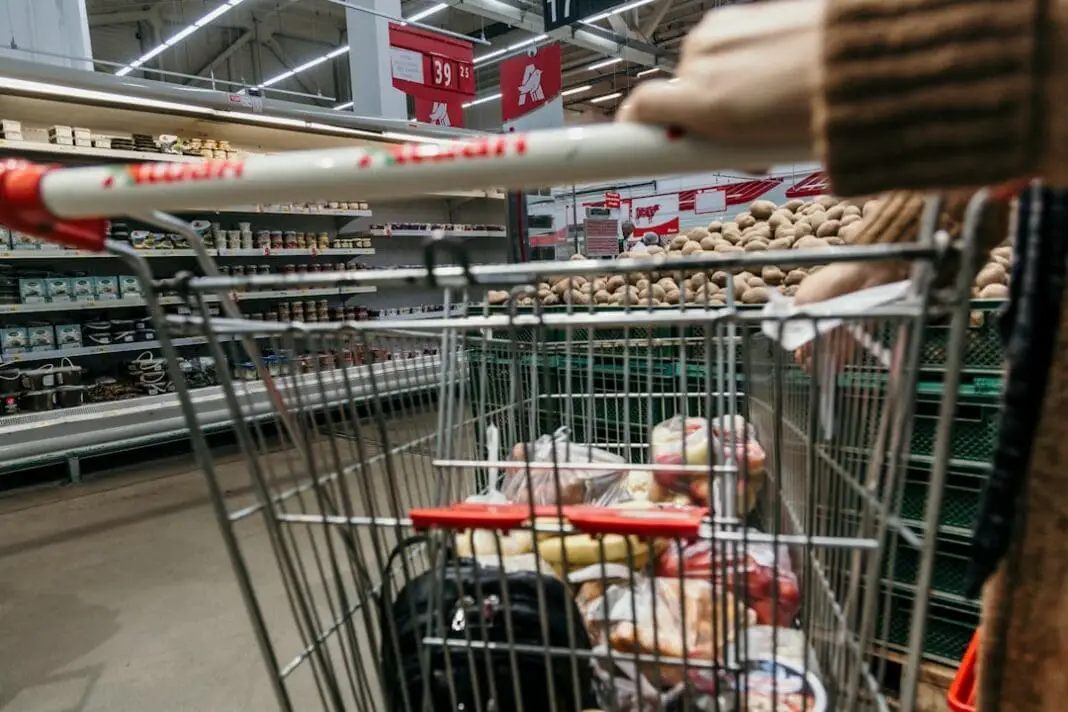
I want you to think about the last time you were in a grocery store. Not a big trip with a list and a plan, but one of those quick runs. Maybe it was a Tuesday. Maybe you were tired. You grabbed a basket instead of a cart because you weren’t getting much. And somewhere between the bread aisle and the checkout, you passed something that, if you really stopped and thought about it, might be the saddest product in the entire store.
It’s not expired meat on clearance. It’s not the wilted flowers by the exit. It’s not even the off-brand birthday cake for a kid whose party nobody came to. It’s something quieter than that, something most of us have bought at some point without a second thought.
The Single-Serve Frozen Dinner, and Everything It Represents
There’s a reason TV writers have been using this exact image for decades. In Breaking Bad, Walt eats a frozen dinner at the table across from Skylar after their marriage has crumbled. In 30 Rock, Liz Lemon eats one alone and literally chokes on it. In King of the Hill, Bill makes himself a frozen turkey dinner for Thanksgiving and lies about having company. There’s even a documented trope for this called the “Frozen Dinner of Loneliness,” and it’s been a shorthand for isolation in American pop culture for as long as frozen dinners have existed.
The animated show Jellystone! features frozen meals literally branded “Lonely-Man” and “Cannelonely Pasta for Bachelors.” That’s satire, obviously. But the reason it lands is because we all recognize it. A single black plastic tray, a film you peel back, four minutes in the microwave, eaten standing up or in front of a screen. A 10-ounce Stouffer’s lasagna runs about $2.99. That’s dinner. That’s the whole thing.
The Numbers Behind Eating Alone
This isn’t just a feeling. The data is pretty staggering. According to the World Happiness Report, in 2023 one in four Americans said they ate ALL of their meals alone on the previous day. That’s up 53% from 2003. A Pew Research Center study found that 38% of Americans ages 25 to 54 were living without a partner, up 29% from 1990.
So when we talk about the saddest thing in a grocery store, we’re not really talking about the food. We’re talking about what the food stands in for. And for a growing number of Americans, that single-serve tray is the most honest thing in their cart.
What Solo Shopping Actually Looks Like
People who live alone shop differently. They build meals around a single anchor ingredient: eggs, a rotisserie chicken, a bag of frozen veggies. That one item becomes dinner, then lunch, then a snack if they stretch it. They buy two bananas instead of a bunch. Two tomatoes. Two potatoes. A whole bag of avocados? That’s basically a death sentence for solo living. Most of it ends up rotting in the bottom drawer of the fridge.
They shop more often, too. Not because they need to, but because the errand gives them a reason to leave the house. One writer described it as “a simple reason to put on shoes, step outside, and see other humans.” The grocery store becomes a kind of third place, a casual community space between home and work. A neighbor told a psychologist the store was her “reset.” Ten minutes of walking, a few aisles, and she felt less stuck.
And then there are the comfort items that sneak into the basket. A single pastry. A bakery cookie. A houseplant. A candle. One person described bringing home a pastry and eating it standing in the kitchen, still wearing their coat. “It felt silly,” they wrote, “and it also felt like care.”
The Case Against Bottled Salad Dressing
There’s another contender for the saddest grocery store purchase, and it comes from a completely different angle. One sharp essay argues that the salad dressing aisle is “the most frustrating and worthless aisle, the one from which no self-respecting adult should ever purchase anything, under absolutely any circumstances.”
The argument isn’t about frozen dinners or loneliness. It’s about surrender. A basic balsamic vinaigrette has three ingredients, none of which go bad, and you can make a better version at home in about fifteen seconds. The author isn’t mad about canned vegetables or rotisserie chickens (those can actually be smart buys). The indictment is specifically against bottled dressing as a symbol of giving up on even the most basic act of cooking.
The piece offers some genuinely good alternatives. A cold noodle salad dressing made from frozen ginger, rice wine vinegar, soy sauce, sambal oelek, fish sauce, brown sugar, grapeseed oil, and peanut butter. A Japanese version with white miso, rice vinegar, sesame oil, and soy sauce. An herb vinaigrette that’s just pesto thinned with olive oil, lemon juice, and crushed red pepper. None of these take more than a minute. Vinaigrettes, the author argues, are an introduction to sauce making. They’re a palette for learning how to balance sour, sweet, savory, fatty, and spicy all in one place.
So bottled ranch isn’t sad in the lonely way. It’s sad in the “you gave up” way. Different kind of sad, but sad nonetheless.
“Culinary Loneliness” Is a Real Term
Researchers who study isolated adults have a phrase for what happens when people stop sharing meals: culinary loneliness. It describes the slow erosion of everything that once made eating feel like something. The tablecloth disappears. The plates get simpler. The meals get smaller. One man in a qualitative study described it like this: “We always used to eat together, my wife and I. There was conversation, there was life. But now I just sit at the table, put my plate down, and eat quickly, without really enjoying it. Often, I don’t even bother with a tablecloth. The silence is the worst part.”
The research found that men living alone were especially likely to fall into patterns of cold, plain meals: canned food, cured meats, fruit. Quick, frugal meals of eggs, soups, and whatever didn’t require actual cooking. Some participants ate food they knew was past its prime because throwing it out felt worse than eating it. “You’re not going just to throw it away.”
The meals get simpler. The rituals vanish. And the grocery cart starts to reflect that. Fewer fresh ingredients, more cans, more single-serve packages, more things that require nothing from you except opening them.
The Food Industry Knows Exactly What It’s Selling
Here’s the part that gets interesting. The food industry is fully aware of the emotional weight these products carry. A 2026 industry report identifies “emotional regulation through food” as one of eight major forces reshaping food strategy. Premium convenience is described as “emotional currency.” Brands are being told to design single-serve formats that “transform ordinary moments, like weekday breakfasts and solo dinners, into experiences.”
The soup industry tells a similar story. Canned soup is a $6.6 billion global market, and in North America it holds a 44.8% share, valued at roughly $1.6 billion. Chicken noodle, tomato, and clam chowder are described as “cultural staples.” But traditional canned and condensed segments keep softening. The analysts themselves admit: “Soup’s strength has always been comfort, but its future lies in reinvention.”
The gap between what a single-serve can of soup actually delivers and what the person buying it hopes it will fill (warmth, comfort, the feeling of being looked after) is the engine that keeps the whole category running. Brands are now trying to engineer textures, crackle, creaminess, and temperature as what they call “emotional triggers.” They’re working overtime to remove the sadness from a format they helped create.
The Cereal for Dinner Problem
Ask anyone who lives alone and they’ll tell you the truth. Some nights you cook. Some nights you order tacos. Some nights you eat toast and call it gourmet. One solo-living writer described keeping “zero-effort” meals on hand: frozen dumplings, boxed mac and cheese, canned soup, salad kits, a frozen pizza you actually like. “These are not failures,” they wrote. “They’re lifelines.”
The emotional math of solo shopping is brutal. Shopping once a week with a list is for families. Solo living means smaller shops every three or four days. The freezer becomes “meal insurance for your laziest nights.” Fresh herbs get chopped, mixed with olive oil, and frozen in ice cube trays. It’s clever, sure. But it also shows how completely aloneness reshapes even the smallest domestic rituals.
So What’s the Actual Saddest Thing?
It’s not any one product. It’s the pattern. It’s the single-serve frozen lasagna next to a bag of pre-washed salad and a bottle of ranch that someone could have made in fifteen seconds but didn’t, because who are you impressing? It’s the half-can of soup going into the fridge because nothing in life is designed for one person. It’s the candle that ended up in the basket because the apartment felt too quiet.
The saddest thing you can buy in a grocery store is the cart that tells a story about a person who stopped trying to make food mean something. Not because they’re lazy or stupid, but because cooking for one feels like performing a play for an empty theater. The food is fine. The food was always fine. It’s what’s missing from the table that makes it sad.
And if you recognized yourself somewhere in this article, that’s okay. A lot of us are there. The research says who you eat with matters more than what you eat. So maybe the move isn’t buying better groceries. Maybe the move is calling somebody and asking if they want to come over for dinner. Even if all you’re making is frozen dumplings.

