

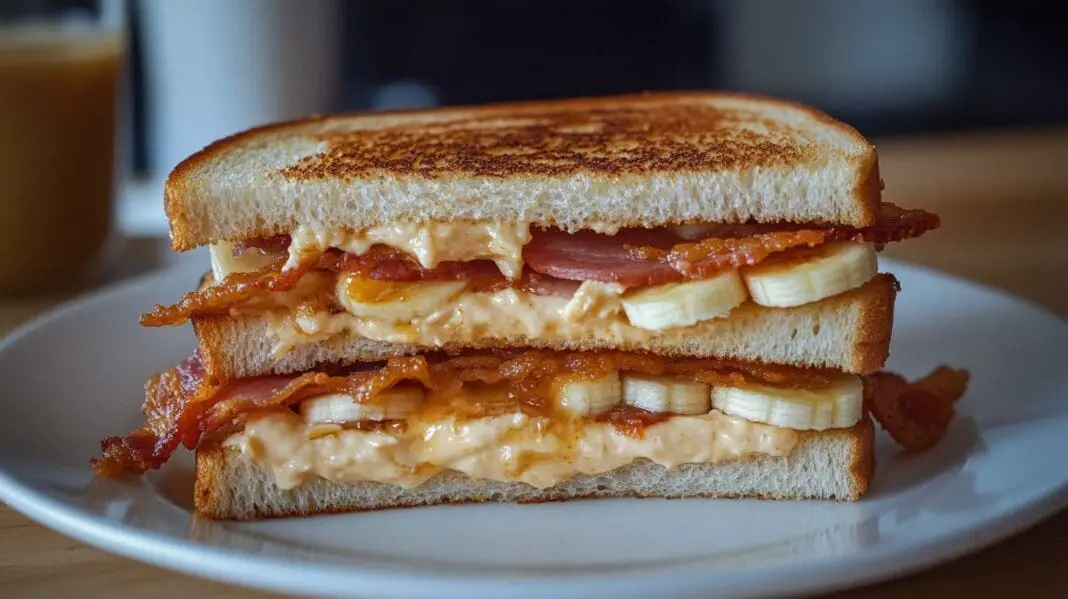
If you told most people today that you were going to slap some mayonnaise on white bread, layer banana slices on top, and call it lunch, they’d look at you like you’d lost your mind. But for millions of families in the 1930s, that exact sandwich was the difference between going hungry and making it through another day. The banana and mayonnaise sandwich is one of the most misunderstood, most mocked, and most historically important foods in American history. And honestly? It tastes a lot better than you think it does.
How a Three Ingredient Sandwich Fed the South
By 1933, nearly 25% of Americans were out of work. Those who still had jobs often faced brutal wage cuts. Meat was expensive. Cheese was a luxury. Families needed cheap calories, and they needed them fast. White bread, which had recently become widely available and cost just 5 to 10 cents a loaf, was already a staple in most pantries. Bananas were surprisingly affordable too, partly thanks to a businessman named Samuel Zemurray who used the telegraph system to speed up distribution and sell bananas that other sellers considered too ripe. Mayonnaise was shelf stable and could be bought cheap in bulk. Put those three ingredients together and you had a sandwich that was filling, required zero cooking, and cost almost nothing.
The combination took off especially in the Southern United States, where it became a true staple. Mothers packed them in lunch pails. Kids ate them after school. Grown men ate them before heading out for long days of physical labor. It wasn’t fancy. It wasn’t gourmet. But it worked. And over time, people didn’t just tolerate it. They actually grew to love it. Children who ate banana mayo sandwiches during the Depression passed the tradition to their own kids, and those kids passed it to theirs. That’s how a survival food became a comfort food.
Why This Combination Actually Works
I know, I know. Banana and mayonnaise sounds wrong. It sounds like something a toddler would invent by accident. But if you actually think about what’s happening flavor-wise, it makes complete sense. Bananas are sweet. Mayonnaise is tangy, salty, and rich with fat. When you put those two things together on soft white bread, you get a sweet and salty balance that hits in a surprisingly satisfying way. The creaminess of the mayo against the soft, slightly firm texture of a ripe banana is almost like eating a very simple dessert sandwich. The white bread doesn’t compete with either flavor. It just holds everything together and adds a little bit of its own subtle sweetness.
If you’ve ever dipped french fries in a milkshake, or eaten chocolate covered pretzels, or put salt on watermelon, you already understand the principle here. Sweet and salty is one of the oldest, most reliable flavor pairings in the world. The banana mayo sandwich is just a very stripped down version of that idea.
The Right Way to Make One (According to Purists)
Southern purists have very strong opinions about this sandwich. You don’t get to freestyle it without getting some side-eye, at least not until you’ve had the original and earned the right to experiment. Here are the rules.
First, the bread. You want cheap, soft, pillowy white sandwich bread. Think Wonder Bread or Sara Lee. This is not the time for sourdough, whole wheat, or anything artisan. The bread should practically dissolve against the banana and mayo. That softness is the whole point. It creates a texture that is uniform and comforting, like something a grandmother would hand you without being asked.
Second, the mayo. According to just about every Southern source you’ll find, the answer is Duke’s Mayonnaise. Duke’s has been the South’s go-to condiment since 1917, and people are borderline religious about it. It’s tangier than Hellmann’s or Miracle Whip, with a bit more vinegar bite. That extra tang is what makes it pair so well with the banana’s sweetness. If you can’t find Duke’s, Hellmann’s will do in a pinch, but Miracle Whip is a different animal entirely, and purists will tell you to keep it far away from this sandwich.
Third, the bananas. You want them bright yellow with no green and no brown spots. Firm enough to slice cleanly, but ripe enough to be sweet. If the banana is too green, it’ll taste starchy and bland. If it’s too brown, it’ll be mushy and overpowering. That sweet spot in the middle is where you want to be.
The Bananas You’d Be Eating Were Different Back Then
Here’s a detail that most people don’t know. The bananas Depression-era families were eating weren’t the same ones sitting in your fruit bowl right now. Back in the 1930s, the dominant banana variety was the Gros Michel, which was firmer, sweeter, and more candy-like than the Cavendish bananas we eat today. A devastating plant fungus wiped out the Gros Michel by the 1960s, and the Cavendish was bred as a replacement. It’s a perfectly fine banana, but it’s not the same thing. So when your grandparents tell you their banana sandwiches tasted better, they might actually be right. The fruit itself was literally a different product.
Variations That Keep the Spirit Alive
Once you’ve made the classic version and decided you’re a believer, there are plenty of ways to build on it. The most popular addition is peanut butter. Spread it on one slice, mayo on the other, and layer bananas in between. This is where you start getting into Elvis territory. The King himself was a famous lover of grilled peanut butter and banana sandwiches, sometimes with bacon added. His legendary Fool’s Gold Loaf took things to the extreme with peanut butter, banana, and bacon all stuffed into a sourdough loaf that was then deep fried. Elvis reportedly devoured two to four of these in a sitting.
You don’t have to go that far. A drizzle of honey on top of the banana slices adds a nice floral sweetness. Marshmallow cream (Fluff, if you can find it) turns it into something close to a dessert. Some old newspaper recipes from the 1930s called for spreading cream cheese and jelly on the bread before adding the banana slices, with lettuce on top. Chopped nuts and a sprinkle of sugar was another popular retro move. And if you’re feeling adventurous, some people swear by adding a few strips of crispy bacon. The salty, smoky crunch against the soft, sweet banana is genuinely fantastic.
It Still Costs Almost Nothing
One of the best things about this sandwich is that it remains absurdly affordable. A loaf of white bread averages about $1.81 right now. Bananas run approximately 66 cents per pound. A jar of name brand mayonnaise costs around $4, and that jar is going to make dozens of sandwiches. We’re talking about a lunch that costs well under a dollar per serving. In an era when a fast food combo meal runs you $10 to $15, that’s kind of remarkable. The same economic logic that made this sandwich a lifeline in the 1930s still holds up today.
Famous Fans and Lasting Legacy
This sandwich isn’t just a relic. It still has a loyal following, and some of its fans are pretty well known. NASCAR legend Dale Earnhardt Jr. has talked openly about his love of mayonnaise and banana sandwiches. Alton Brown has named Duke’s as his favorite mayo brand. Across the South, families continue to make these sandwiches exactly the way their grandparents did, with no apologies.
There’s something genuinely beautiful about a food that started as a survival mechanism and became a beloved tradition. Nobody makes a banana and mayo sandwich because a food influencer told them to. They make it because their grandmother made it, and her mother made it before that, and it still tastes good and still costs next to nothing. That kind of staying power doesn’t come from hype. It comes from the sandwich actually being worth eating.
Common Mistakes to Avoid
Don’t toast the bread. I know it’s tempting, but the whole point is that soft, almost squishy texture. Toasted bread fights the banana instead of melting into it. Don’t use too much mayo either. You want a generous but even spread on both slices, not giant globs. And for the love of everything, don’t let the sandwich sit. Make it and eat it immediately. The banana will start to brown, the bread will get soggy, and you’ll wonder what all the fuss was about. A fresh banana mayo sandwich is a completely different experience from one that’s been sitting in a bag for three hours.
Also, don’t skip the banana and mayo version and go straight to adding peanut butter or bacon. Try the original first. Give it the respect it deserves. This is the sandwich that kept families fed during the worst economic disaster in American history. The least you can do is try it on its own terms before you start adding extras.
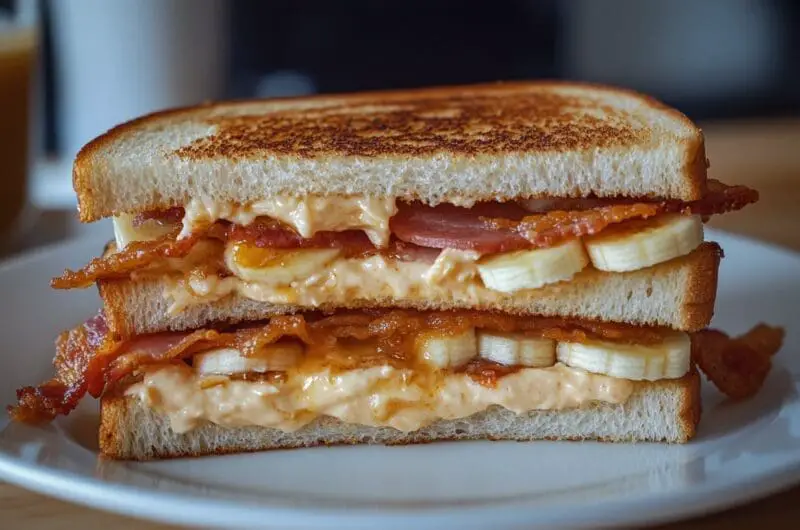
Classic Southern Banana and Mayo Sandwich
Course: LunchCuisine: American2
sandwiches5
minutes439
kcalThe Depression-era sandwich that became a Southern comfort food legend, made with just three ingredients you already have in your kitchen.
Ingredients
4 slices soft white sandwich bread (Wonder Bread or Sara Lee)
2 tablespoons Duke’s Mayonnaise (or Hellmann’s)
2 ripe bananas, bright yellow with no brown spots
Optional: 2 tablespoons peanut butter
Optional: 4 strips crispy cooked bacon
Optional: 1 tablespoon honey
Directions
- Lay out your four slices of white bread on a clean cutting board or plate. Make sure they are at room temperature, not cold from the fridge. Cold bread tends to tear when you spread mayo on it.
- Spread about half a tablespoon of mayonnaise evenly across each slice of bread, covering all the way to the edges. You want every bite to have mayo, not just the center. An even, thin layer is better than a thick glob in the middle.
- Peel the bananas and slice them into rounds about a quarter inch thick. Try to keep the slices uniform so the sandwich is even. Uneven slices mean uneven bites, and that matters more than you’d think with something this simple.
- Arrange the banana slices in a single layer on top of the mayo on two of the bread slices. Cover as much surface area as possible, fitting slices edge to edge. You don’t want big gaps where you’d just be biting into plain bread and mayo.
- If you’re adding peanut butter, spread it on the remaining two slices of bread (the ones that will go on top). If using honey, drizzle it lightly over the banana slices now. For bacon, lay the strips across the bananas in a single layer.
- Place the top slices of bread (mayo side down) onto the banana layer and press down gently. You want the sandwich to compress slightly so everything holds together, but don’t smash it flat. A gentle press is all it needs.
- Cut each sandwich in half diagonally or straight across, whichever you prefer. Diagonal looks nicer, but this is a Depression-era sandwich, so nobody is judging your presentation.
- Serve immediately. This is not a make-ahead sandwich. The bananas will start to brown and the bread will absorb moisture from the mayo and banana within minutes. Eat it fresh or don’t bother.
Notes
- Duke’s Mayonnaise is the traditional choice and has a tangier flavor than other brands. If you can find it at your grocery store, it makes a noticeable difference.
- Do not use toasted bread. The soft, pillowy texture of untoasted white bread is essential to the sandwich’s character and how the flavors blend together.
- Pick bananas that are bright yellow with no green or brown spots. They should be firm enough to slice cleanly but ripe enough to be naturally sweet.
Frequently Asked Questions
Q: Does a banana and mayo sandwich actually taste good?
A: It does, and it surprises almost everyone who tries it for the first time. The sweetness of the banana and the tangy, salty richness of the mayo create a sweet and salty balance that works the same way chocolate covered pretzels or salted caramel does. It won’t taste like any sandwich you’ve had before, but that’s kind of the point. Give it one honest try before you write it off.
Q: Why do Southerners insist on Duke’s Mayonnaise for this sandwich?
A: Duke’s has been the South’s preferred mayonnaise brand since 1917, and it has a tangier, more vinegar-forward flavor than Hellmann’s or other national brands. That extra tang is what makes it pair so well with the natural sweetness of banana. Plenty of people use other brands and enjoy the sandwich just fine, but if you want the most authentic version, Duke’s is what you want.
Q: Can I make this sandwich ahead of time for a packed lunch?
A: You really shouldn’t. The banana starts browning quickly once it’s sliced, and the moisture from both the banana and mayo will make the bread soggy within an hour or so. This is a sandwich you should make and eat right away. If you need to pack it, bring the ingredients separately and assemble when you’re ready to eat.
Q: What’s the best variation if I want to add something to the basic sandwich?
A: Peanut butter is the most popular addition and the one most Southerners reach for. Spread it on one slice of bread and mayo on the other, then layer banana in between. Crispy bacon is the second most popular add-on and gives you that salty crunch that plays off the soft banana perfectly. If you want something sweeter, a light drizzle of honey over the banana slices works well without overpowering anything.

