
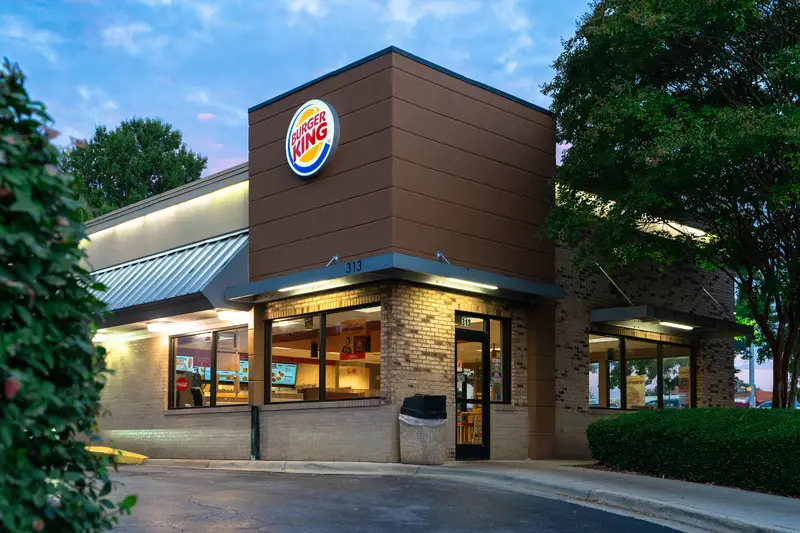
Burger King has been selling flame-grilled beef for more than 70 years, and for most of that time the promise was simple enough to keep. Then came January 2013. Tests on patties made for the chain’s British restaurants turned up DNA that did not belong to a cow. It belonged to a horse.
The Horse Meat Scandal
The supplier at the center of it was Silvercrest Foods, an Irish meat plant that also sent product to Aldi, Asda, Tesco and the Co-op. One Tesco burger made at the same plant was found to be 29 percent horse. Burger King’s own numbers were far smaller. The company said its independent DNA tests on product taken from restaurants came back negative for any equine DNA, but that four samples taken from the Silvercrest plant showed the presence of very small trace levels of equine DNA.
Then it named the culprit. Within 36 hours, the chain said, it had established that Silvercrest used a small percentage of beef imported from a non-approved supplier in Poland after promising 100 percent British and Irish beef patties. “This is a clear violation of our specifications, and we have terminated our relationship with them,” the company said in its statement. It bought apology ads in U.K. newspapers. The mess stayed in Britain and Ireland, but the phrase “Burger King horse meat” never left.
The Whopper Size Lawsuit
Nineteen customers took Burger King to federal court in Florida over the gap between the photo and the sandwich, arguing the burger arrives about 35% smaller than the one on the menu board. The complaint zeroed in on images from 2017 onward that showed patties hanging out over the edge of the bun, and claimed the plaintiffs would not have bought at all if the pictures had been honest.
Burger King tried twice to get the case tossed. A Miami federal judge let it move forward in 2023 and refused again in 2025, holding that the depictions could plausibly mislead a reasonable shopper rather than being harmless exaggeration. Then it fell apart. The judge refused to certify a class in November 2025, and on January 29, 2026 both sides filed a joint stipulation dismissing the case, with the plaintiffs acknowledging that Burger King had shot the ads using its actual beef patties. Three years of headlines, one legal fight, zero payouts.
Foot Lettuce
On July 16, 2012, an anonymous user posted a photo to 4chan of someone standing in two bins of lettuce, captioned “This is the lettuce you eat at Burger King.” Within about fifteen minutes, users had pulled the geolocation data out of the image file, which nobody had thought to strip, pinpointed the restaurant in Mayfield Heights, Ohio, and started calling the store and local newsrooms. Three employees were fired.
That should have been the end of it. Instead a 2017 YouTube countdown video put the photo at number 15 on its list and handed the story to a generation that had not been alive for it, turning four words into one of the internet’s most repeated copypastas. In December 2024 a man claiming to be the person in the picture came forward, and in an interview that February he said the lettuce was never served to anyone.
The Mary J. Blige Commercial
Burger King built a 2012 celebrity campaign around Salma Hayek, David Beckham and Jay Leno. The spot that leaked online in April of that year had Mary J. Blige singing the ingredients of a crispy chicken wrap to the tune of her song “Don’t Mind,” and critics tore into it for leaning on an old racist stereotype about Black people and fried chicken. The chain pulled it and said the version circulating was unfinished.
Blige got the worst of it. She said her heart dropped to her stomach when she first saw the ad, then, on Hot 97’s Angie Martinez show that June, described watching it snowball: “I went online to listen to the remix I did with Fat Joe, and all I can see is ‘Burger King’ and ‘chicken’ and ‘buffoonery.’ It just broke my heart.” She said she had been sold on being shot in an iconic way, and that the spot looked nothing like what she agreed to. In April 2026 she was still saying she was deeply affected by it.
Women Belong In The Kitchen
On International Women’s Day in 2021, Burger King’s U.K. account tweeted exactly that: “Women belong in the kitchen.” The follow-up posts explained the point, that only 20% of chefs are women and the company was launching culinary scholarships for its own female staff. Nobody stuck around for paragraph two. The setup got read as a sexist joke used as bait, the replies turned ugly, and the team deleted the original post and apologized, saying it did not want to hand a platform to people piling on. A real scholarship program got buried under one bad tweet.
The Impossible Whopper Grill Problem
Phillip Williams, a strict vegan from Georgia, bought a $5.59 Impossible Whopper at an Atlanta drive-through in August 2019 and held the mayo, which is not vegan. What he did not know, he said, was that the plant-based patty goes on the same broiler as the beef unless a customer asks for another method. He sued in federal court in Florida, wanting the chain to disclose the shared grill.
The case was dismissed in July 2020. The judge held that Burger King had promised a plant-based patty and delivered one without ever saying where it would be cooked, and the chain does offer a non-broiler preparation if you ask. The plant-based crowd has not fully let it go, and Burger King poked the bear again in February 2026 when it put out an Impossible Whopper with bacon on it.
The Croissan’wich Coupon That Cost More
Koleta Anderson noticed something strange about her breakfast receipt in 2017. Using the 2-for-1 coupon on Croissan’wiches, she paid $3.19 for two sandwiches. Buying a single one without the coupon later cost her $2.16. Two for $3.19 works out to more per sandwich than the plain price, which means the “deal” was doing the opposite of what a deal is supposed to do. She filed a class-action suit alleging the chain inflated prices for customers who used the offer, and said the same pattern showed up at multiple locations. Burger King settled without admitting wrongdoing, and customers who had used the coupon could claim $5 in cash or a $2 gift card. Anyone who has ever felt vaguely cheated by a fast food promotion now has a paper trail to point at.
The Ad That Hijacked Your Google Home
In 2017 Burger King ran a 15-second TV spot in which an employee looks into the camera and says the time is not enough to explain all the fresh ingredients in a Whopper, before adding: “But I got an idea. OK Google, what is the Whopper burger?” Any Google Home within earshot woke up and started reading the Whopper’s Wikipedia page out loud, in strangers’ living rooms, because the commercial was designed to trigger it.
Google had not been asked. It pushed out a block that killed the trick within hours. Burger King then took the stunt to Cannes Lions and won the Direct Lions Grand Prix for it, where the jury president, Ted Lim, called it “the best abuse of technology.” Hard to argue with either half of that sentence.
Whopper Sacrifice
The 2009 promotion asked customers to delete 10 Facebook friends in exchange for a Whopper coupon, and then, in the part that made it famous, notified each deleted person that they had been traded for a hamburger. More than 82,000 people took part. Nearly 234,000 friendships were cut and more than 23,000 coupons went out before Facebook objected to the notifications and Burger King pulled the app, ten days after launch. It remains the purest example of the chain’s house style: an idea that tests great in a conference room and lands like a slap in someone’s notifications.
The Milkshake Tweet In Scotland
Throwing milkshakes at politicians had become a protest tactic in Britain by 2019, and Tommy Robinson and Carl Benjamin had both been hit. Ahead of a Farage rally in Edinburgh, police asked a nearby McDonald’s to stop selling milkshakes for the duration. Burger King U.K. took the opening and tweeted: “Dear people of Scotland. We’re selling milkshakes all weekend. Have fun. Love BK. #justsaying” Critics said the chain was egging on bad behavior for clicks. It replied that it does not endorse violence or the wasting of milkshakes. Farage himself was milkshaked in Newcastle two days later, and again in Clacton-on-Sea in 2024.
The German Undercover Investigation
RTL’s “Team Wallraff” sent reporters into Burger King locations in 2022 posing as employees and interviewed former workers. What it aired that September covered mice, maggots, sloppy food prep, expired and foul-smelling product going out to customers, and meat items being passed off as vegan across several German restaurants. Burger King closed five branches and ordered an outside audit of all 750 of its German restaurants. This one got far less English-language coverage than a photo of a guy standing in lettuce, which says more about how scandals travel than about which one was worse.
The Verdict
Run the list and the beef is almost never the problem. The horse DNA was a supplier lying to Burger King, and the Whopper lawsuit collapsed once the class was refused and the plaintiffs conceded the ads were shot with real patties. What keeps blowing up is the marketing department: the tweets, the stunts, the celebrity spots nobody ran past a second set of eyes.
The company clearly knows it. In 2022 it launched a two-year, $400 million turnaround called Reclaim the Flame and gave the Whopper new packaging and fresher toppings, and in March 2026 it retired the King mascot, which was always slightly unsettling anyway. Since early 2026 it has been testing AI headsets in about 500 U.S. restaurants that listen to employees and score how often they say please and thank you, which is its own kind of story. My advice on the food stands: order the Whopper, expect it to look like a burger and not a magazine cover, and skip whatever the chain is trying hardest to make go viral.

