

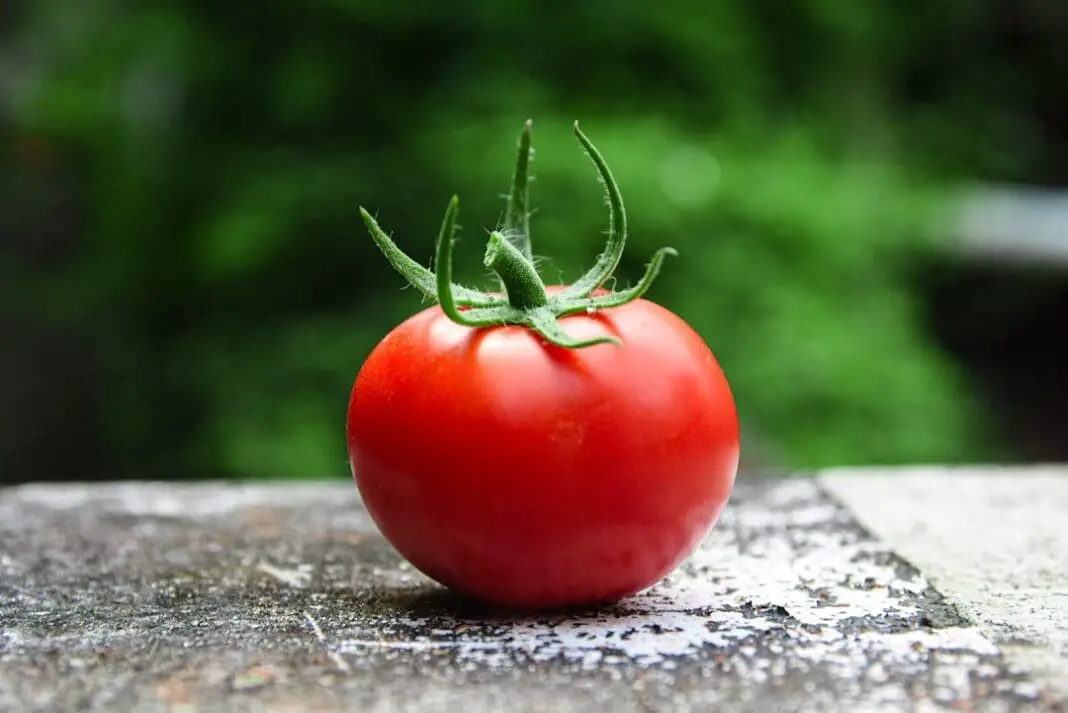
You get home from the grocery store, unpack the bags, and toss those tomatoes right into the fridge alongside everything else. It feels like the responsible thing to do. Keep things cold, keep things fresh, right? Except with tomatoes, you’re doing the exact opposite. You’re actively making them worse. And I don’t mean slightly worse in some way you’d need a lab to detect. I mean noticeably, obviously, “why does this tomato taste like cold water” worse.
I did this for years. We all did. And the whole time, the answer to “why don’t store-bought tomatoes taste like anything” was sitting right there on our refrigerator shelves.
The Fridge Kills Up to 65% of What Makes a Tomato Taste Good
This isn’t a guess or some old wives’ tale. Researchers at the University of Florida and Cornell University published a study in the Proceedings of the National Academy of Sciences that measured exactly what happens when you refrigerate tomatoes. The short version: cold temperatures below 53°F destroy the volatile compounds responsible for a tomato’s flavor and aroma. Up to 65% of those compounds get wiped out. Gone. Not coming back.
The researchers even assembled a taste panel of 76 people who confirmed what the data showed. Chilled tomatoes were rated significantly less likeable than tomatoes stored at room temperature. The cold doesn’t just slow things down. It actually changes the DNA methylation in the genes that produce flavor. Some of those genes recover when you bring the tomato back to room temp. Some of them don’t. The damage is permanent.
Your average fridge sits around 37 to 40°F. A tomato wants to live somewhere between 55°F and 70°F. That’s a massive gap, and it has real consequences.
It’s Not Just Flavor, It’s Texture Too
Ever bitten into a refrigerated tomato and gotten that weird, grainy, mealy mouthfeel? That’s not your imagination. Tomatoes are basically bags of water-filled cells held together by pectin. When you chill them below about 50°F, the water inside those cells can partially freeze and expand. That ruptures the cell walls, and the whole structure falls apart from the inside out.
There’s actually a name for this. It’s called “chilling injury,” and it’s a well-documented phenomenon in tropical and subtropical fruits. Tomatoes are technically tropical fruits, which surprises a lot of people. They’re originally from South America. They were never designed to handle cold storage. When cold air hits the flesh, it triggers the release of an enzyme called polygalacturonase, which breaks down the pectin that keeps the tomato firm. So you end up with a tomato that looks fine on the outside but has turned into mush on the inside.
And the smell? Also gone. Cold air suppresses the aldehydes and alcohols that give a tomato its classic, sweet, slightly earthy fragrance. A refrigerated tomato smells like nothing because the fridge literally turned off the aroma factories inside it.
Your Supermarket Tomato Was Already Refrigerated Before You Got It
Here’s the part that makes this even more frustrating. University of Florida researcher Harry Klee and Cornell’s James Giovannoni have both pointed out that by the time you buy a tomato at a typical American supermarket, it’s already been refrigerated during shipping for a week or more. Most commercial tomatoes are picked green, then shipped in cold trucks across the country. They might get gassed with ethylene to turn red, but the flavor compounds that should have developed on the vine never had a chance to form.
So when you bring those tomatoes home and put them in your fridge, you’re basically double-chilling something that was already flavor-compromised. It’s like reheating reheated coffee. You’re just making a bad situation worse.
A German study tried to push back on the anti-fridge consensus, claiming short-term refrigeration didn’t harm flavor. But their fridge temperature was 44.6°F, which is higher than the USDA recommendation of 40°F or below. Even those researchers admitted they wouldn’t promote cold storage and acknowledged that colder temperatures and longer durations make the damage worse. They also studied locally grown German tomatoes that hadn’t traveled far, which is a completely different situation than what most Americans deal with at the grocery store.
How to Actually Store Tomatoes the Right Way
The fix is simple, and it costs nothing. Leave your tomatoes on the counter.
Find a cool, dry spot away from direct sunlight. A kitchen counter works great. A pantry shelf works too. The ideal temperature range is somewhere around the mid-60s Fahrenheit, which lines up with most air-conditioned homes in the summer. Set the tomatoes in a single layer so they aren’t crushing each other, and keep them stem-side down. That part matters more than you’d think. The stem scar is an open pathway for air, bacteria, and mold. Placing the tomato upside down creates a little seal around that spot and keeps things fresher longer.
If your tomatoes aren’t fully ripe yet (still a little firm, maybe still showing some green), definitely keep them on the counter. Tomatoes are climacteric fruits, meaning they keep ripening after being picked. The fridge stops that process cold, literally. An unripe tomato that goes into the fridge will never become a ripe tomato. It’ll just become a cold, unripe tomato with even less flavor.
The Tape Trick That Keeps Tomatoes Fresh for 10 Days
This one surprised me. The Kitchn ran a side-by-side test of different tomato storage methods over 10 days, and the winner was absurdly low-tech. Take a small piece of tape, any kind of tape, and stick it over the stem scar on top of the tomato. That’s it. The tape creates a seal against bacteria and mold entering through the stem.
After 10 days, the taped tomato still had tight skin, no visible moisture loss, and bounced back when pressed. Meanwhile, the refrigerated tomatoes in the same test turned pale, looked slightly bleached inside, and tasted flat. One was stored on an open plate in the fridge, another in a clear deli container. Both came out mealy with a sour aftertaste. The deli container did absolutely nothing to help.
So a piece of Scotch tape on the counter beat every fridge method they tested. Sometimes the dumbest solutions are the best ones.
The Only Time Refrigerating Tomatoes Is Acceptable
There are exactly two scenarios where the fridge makes sense, and both come with a big asterisk.
First: if your tomatoes are fully ripe and about to go over the edge. Like, they’re soft, they smell sweet, and you know you aren’t going to eat them today or tomorrow. At that point, refrigerating them can buy you another 48 hours before they turn to mush. You’re trading flavor for time, and that’s a fair trade if the alternative is throwing them away.
Second: if you’ve already cut into a tomato. Once it’s sliced or quartered, bacteria and oxidation become real concerns. Put the cut tomato in an airtight container with the cut side down on a dry paper towel, and use it within a day or two.
In both cases, the key move is to pull the tomato out of the fridge at least an hour before you plan to eat it. Let it come back to room temperature. Some of the flavor compounds will reactivate, and the texture will improve. It won’t be perfect, but it’ll be better than eating it cold.
And if you’ve refrigerated tomatoes that have lost their punch? Use them in cooked dishes. Sauces, soups, stews. Heat does a lot to compensate for lost aromatics, and you won’t notice the texture damage when everything’s been simmered down anyway.
Common Storage Mistakes Beyond the Fridge
Even if you keep your tomatoes on the counter, there are a few ways to accidentally ruin them.
Don’t wash them before storing. Water promotes mold growth. Rinse them right before you use them, not before. Don’t seal them in airtight containers or plastic bags. Whole tomatoes need airflow. Trapped moisture creates slime, and trapped ethylene gas speeds up decay. A plate, a bowl, or a wicker basket is all you need.
Keep them away from bananas after they’ve ripened. Bananas pump out ethylene gas, which will push already-ripe tomatoes into over-ripeness fast. And don’t stack them. Tomatoes bruise easily, and the weight from stacking accelerates deterioration from the bottom up. Italian chef Roberta from Con Aroma a Roma emphasizes laying them out in a single layer, which sounds fussy but makes a real difference if you want them to last more than a couple of days.
What About Those Green Tomatoes From Your Garden?
Texas A&M AgriLife Extension horticulturist Joe Masabni has a good rule of thumb here. If a tomato has reached what’s called the “breaker stage,” meaning it’s started to change color and is about 40 to 60% colored, it can be picked and it will ripen just fine on the counter. It already has all the sugars and compounds it needs to reach full flavor.
But if a tomato is still completely green? It’s not going to ripen. It was picked too early. Your best bet is to use it for fried green tomatoes or green tomato relish. Don’t sit it on your windowsill hoping it’ll turn red, because it won’t. Not in any way that tastes good, anyway.
If you’re a gardener drowning in tomatoes you can’t eat fast enough, make sauce, salsa, or paste. Masabni specifically recommends Romas for paste, but also warns that Romas are sneaky. They stay firm on the outside even after they’ve gone bad inside, so give them a smell test before committing.
The whole point is this: tomatoes are one of the few groceries where the counter is genuinely better than the fridge. Not in a marginal, splitting-hairs way. In a “you’ve been eating flavorless tomatoes your entire adult life and it was completely avoidable” way. Just leave them out. Your sandwiches and salads will thank you.

