

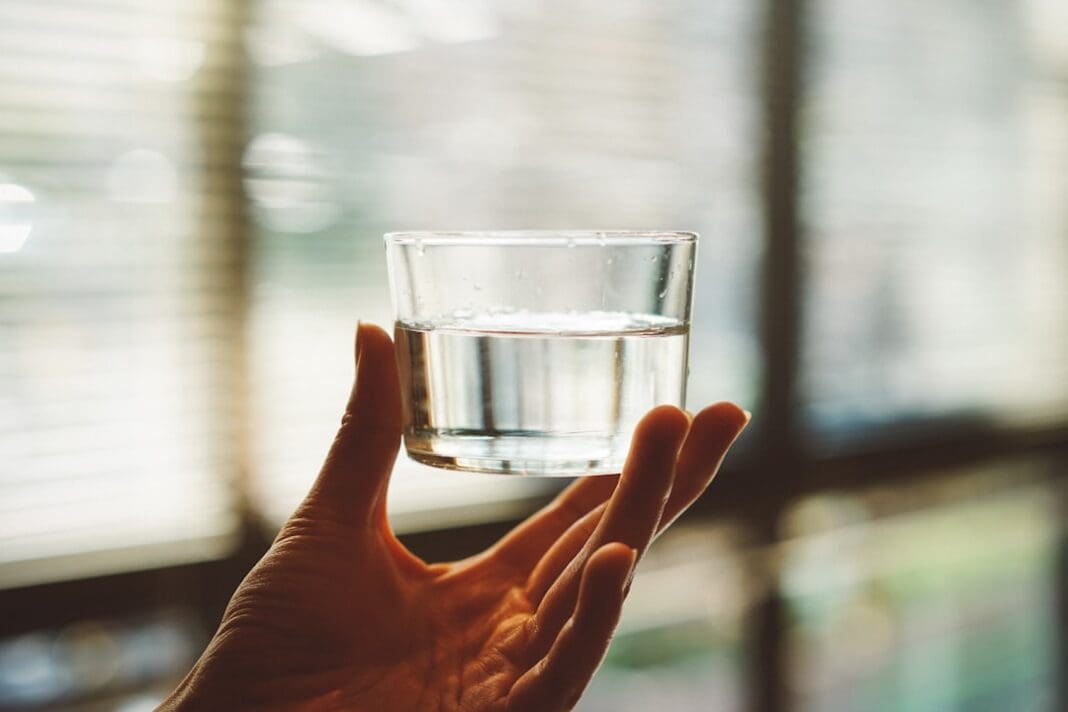
You’ve done it a thousand times. Fill a mug, stick it in the microwave, punch in a minute and a half, and walk off to check your phone. Tea, instant coffee, ramen, whatever. It feels like the most harmless thing in the kitchen. Nothing sharp, nothing greasy, nothing on fire. Just water and a machine.
Here’s the annoying part. Of all the random junk people shove in a microwave, a plain cup of water is one of the few things that can actually turn into a small bomb. Not a metaphor. There’s a real reason burn units and the government have both put out warnings about it, and once you understand what’s happening, you’ll never look at your mug the same way.
What’s Actually Going On In There
When you boil water on the stove, heat comes from one direction, the bottom of the pot. That creates currents. Hot water rises, cooler water sinks, and you get those rolling bubbles that tell you it’s ready. Simple and honest.
A microwave doesn’t work like that. It hits the water from every direction at once and shakes the molecules around so fast they heat up through friction. There’s no current, no stirring, nothing to make bubbles form. So the water just keeps getting hotter and hotter without ever bubbling. This is called superheating, and it means the water can climb well past its normal boiling point of 212 degrees. We’re talking 221 to as high as 248 degrees in some cases, all while looking totally calm and still on the surface.
That calm surface is the whole trap. The water is loaded with energy and has no way to release it. It’s basically waiting for an excuse.
Why Your Nice Clean Mug Is the Problem
Here’s something that sounds backward. The cleaner and smoother your cup, the more likely this is to happen. Water needs tiny rough spots to form bubbles, little scratches, specks, or imperfections that scientists call nucleation sites. Those spots trap tiny pockets of air, and that air gives bubbles somewhere to start.
A brand new glass measuring cup or a spotless coffee mug barely has any of those spots. Glass is the worst offender because its surface is almost perfectly flat, like frozen liquid. When you heat pure water in a smooth glass container, your odds of superheating it at least a little are surprisingly high. An old, scratched-up mug that’s been through the dishwasher a hundred times is actually safer, because all those little imperfections give the water a way to boil normally.
So the fancy new glassware you got as a gift is riskier here than your beat-up favorite mug with the chip on the handle. Kitchen logic gets weird sometimes.
One Guy Just Wanted a Cup of Coffee
If this all sounds like overblown internet panic, let me tell you about a real case. A man wanted instant coffee, so he heated a cup of water in the microwave. When the timer beeped, he pulled it out and noticed the water hadn’t boiled. He leaned in, and the water blew up in his face.
His whole face got blistered with first and second degree burns. Some of it left permanent scarring, and it did damage to his left eye. The doctor who treated him said this kind of thing shows up more often than you’d think. The director of a hospital burn unit backed that up, confirming that superheated liquids are a genuine, ongoing problem, not some rare freak event that happened once in a lab.
Emergency rooms have logged plenty of these. People show up with burns on their hands and faces from a mug of water that decided to go off the second it got moved. The scalding liquid comes out with real force, and it’s about as nasty as getting hit with hot oil.
The Calm Surface Is Lying to You
The scariest thing about superheated water is that all your normal safety instincts fail. You might tap the side of the mug, or hover your hand over the top, or even dip a finger near the surface to check the temperature. None of that works. The surface stays deceptively calm while the water underneath is sitting way past boiling.
The eruption only happens when something disturbs it. And “something” is a low bar. Picking up the cup can do it. Sliding it across the counter can do it. Dropping in a spoon, a tea bag, or a scoop of instant coffee is basically the classic trigger. When you pour a soluble powder into superheated water, it drags thousands of tiny air bubbles in with it. Each of those tiny bubbles instantly balloons into steam, and the whole cup can go up at once.
Even a mug that’s bubbling a little in the microwave can’t be trusted, because the temperature might already be high enough that bubbles are forming on their own. There’s no reliable eyeball test. That’s what makes it sneaky.
The Wooden Stick Trick
Okay, enough doom. If you’re going to keep using the microwave for water, there’s a stupidly simple fix. Drop a wooden chopstick, a wooden stir stick, or any non-metal object into the mug before you heat it. A chemistry professor who goes by “Chemical Kim” online recommends exactly this. The stick gives the water rough surfaces to form bubbles on, so the heat has somewhere to go and the water boils like it’s supposed to.
Do not use a metal spoon. Metal in the microwave is its own separate mess. A wooden coffee stirrer or a bamboo chopstick is perfect, cheap, and you probably already have a drawer full of them from takeout.
The other trick from the same expert is to heat in short bursts. Go about 30 seconds at a time and stir between each round. That keeps the water heating evenly and breaks up the surface tension over and over, so it never gets the chance to build up all that hidden energy. It takes a few extra seconds. It beats a trip to urgent care.
Or Just Add the Coffee First
The government actually weighed in on this one. The FDA has a whole section on avoiding injuries from superheated water, and their simplest tip is this. Put your instant coffee, sugar, tea, or whatever else in the cup before you heat it, not after. Those extra bits break up the smoothness and give bubbles their starting points, which cuts the risk way down.
The reason plain water is the villain and coffee usually isn’t comes down to impurities. Coffee, tea, and broth are full of little particles that help the water boil normally before it ever gets dangerous. Pure water alone in a clean cup is the specific setup that goes wrong. So the fix is to stop heating it alone.
The FDA also says to pay attention to heating times. Figure out the shortest time your microwave needs to get water to the temperature you want, and stick to that. The longer water sits in there past boiling, the more it superheats. Cranking it for three minutes “just to be sure” is the opposite of safe.
Honestly, Just Get a Kettle
Here’s my real advice as your kitchen friend. If you heat water pretty often, quit fighting the microwave and buy an electric kettle. It solves the whole problem because a kettle heats water the normal way, from a heating element, so it bubbles and shuts itself off. No calm-surface trickery, no exploding mug.
And it’s just better at the job. Electric kettles are 40 to 50 percent faster than a microwave for boiling water, and they waste a lot less energy because the heat goes straight into the water instead of bouncing around a box. At the average US electricity rate of about 13 cents per kilowatt-hour, running one for two liters a day costs somewhere around 21 to 25 bucks a year. Many people find the kettle pays for itself within a year to a year and a half.
If you want the old-school route, a stovetop kettle works great too and there’s basically nothing to plug in or break. Either way, you get bubbles you can see and water that behaves.
The Short Version
Microwaving a plain cup of water isn’t something to lose sleep over every single time. Severe superheating needs near-perfect conditions, clean water in a smooth cup, sitting undisturbed. Most of the time your slightly scratched mug and slightly dirty water save you without you knowing it.
But the downside when it does go wrong is a face full of scalding water, so the cheap insurance is worth it. Toss a wooden stick in before you heat. Add your coffee or tea first. Heat in short bursts. Or skip the whole thing and grab a kettle. Your morning cup shouldn’t come with a plot twist.

