

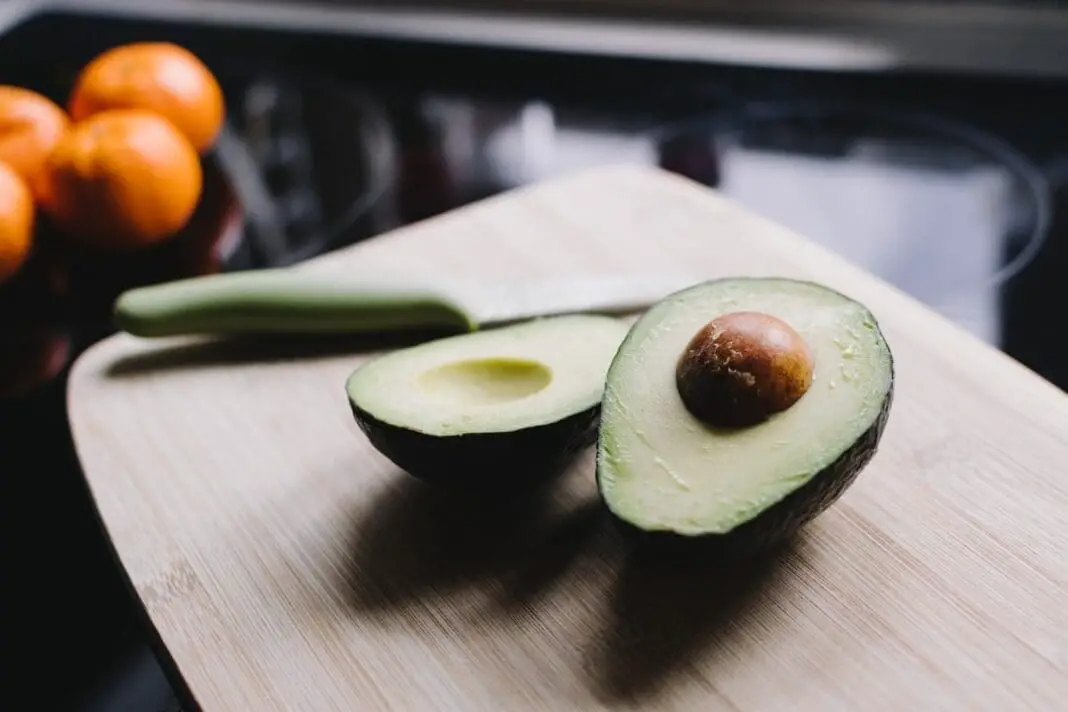
You’ve probably seen it. Maybe on TikTok, maybe on Facebook, maybe your cousin texted it to you with a string of mind-blown emojis. The trick is simple: take your avocados, drop them in a container of water, stick it in the fridge, and supposedly enjoy perfectly green, perfectly ripe avocados for weeks on end. It looks incredible on camera. It also has the FDA basically begging you to stop doing it.
This isn’t one of those vague “experts say maybe be careful” situations. The FDA came right out and told Newsweek directly: “The FDA does not recommend this practice.” Period. No hedging, no “well, if you do it right.” Just don’t do it. Let’s talk about why this trick is so appealing, why it’s a genuinely bad idea, and what you should actually be doing with your avocados instead.
The Trick That Took Over TikTok
The avocado water storage hack went viral in a big way. One TikTok user, @shamamamahealing, posted a video showing avocados she’d submerged in water and refrigerated for two full weeks. She cut them open on camera and they looked gorgeous. Bright green, no browning, seemingly perfect. That video pulled in over six million views.
Other creators jumped on the trend, calling it “magic.” Some claimed their avocados lasted up to four weeks. And honestly, if you’ve ever bought a bag of avocados only to have them go from rock-hard to mushy brown garbage in what feels like 36 hours, you understand the appeal. Avocados have the narrowest window of perfect ripeness of maybe any fruit on earth. A hack that promises to freeze that window open for weeks? Of course people wanted it to be real.
The thing is, the trick does work visually. The water slows oxidation, which is the process that turns avocado flesh brown after you cut it open. So when you pull that avocado out of the water two weeks later, it looks like you just sliced it. But what’s happening beneath the surface, and on it, is a completely different story.
What the FDA Actually Found on Avocado Skin
Here’s where things get real. The FDA didn’t just issue a warning based on a hunch. They did actual lab work. Between 2014 and 2016, FDA scientists collected and tested 1,615 whole fresh avocados for the presence of Listeria monocytogenes and Salmonella.
The results were pretty eye-opening. Listeria was found on the skin of 17.73 percent of avocados tested. That’s roughly 1 in every 5 avocados sitting in the produce section right now with Listeria living on the outside. Of the 64 positive skin samples, 33 came from domestically grown avocados and 31 from imported ones. So this isn’t a problem isolated to one country or one farm. It’s widespread.
Salmonella was also detected, though at a lower rate of 0.74 percent, across 12 skin samples from domestic avocados. Those findings led to voluntary recalls and facility inspections. None of the imported avocados tested positive for Salmonella, interestingly, but the Listeria numbers alone are enough to make anyone reconsider dunking their avocados in water.
Why Water Makes It So Much Worse
So avocados already have bacteria on their skin. That’s been true forever and it’s usually not a problem because you don’t eat the skin. You cut the avocado, scoop out the flesh, toss the peel. Whatever’s living on the outside stays on the outside. Simple.
But when you submerge an avocado in water, everything changes. An FDA spokesperson explained it pretty clearly: “The main concern is with the possibility that any residual human pathogens that may be residing on the avocado surface may potentially multiply during the storage when submerged in water.”
In plain English: the water creates the perfect environment for bacteria to reproduce. And here’s the really disturbing part. FDA researchers found that when avocados sat in refrigerated water for 15 days, Listeria didn’t just multiply on the skin. It actually penetrated through the skin and moved into the flesh of the avocado. The pulp itself became contaminated.
That means even if you washed or scrubbed the outside of the avocado before eating it, the bacteria was already inside. There is no way to make this trick safe. You can’t wash your way out of it. You can’t peel your way out of it. The contamination is in the part you eat.
Even the TikTokers Who Started It Walked It Back
Credit where it’s due: at least some of the creators who popularized this hack did the right thing after the FDA spoke up. TikToker Sidney Raz (@sidneyraz), who was one of the big names pushing the water storage method, posted a follow-up video explicitly retracting his advice. “It is not recommended to store avocados in water,” he told his audience.
Instagrammer Nicole Jacques, who has nearly 750,000 followers, also posted a warning to her audience. She called the water storage method “pathogen soup,” which is honestly a pretty accurate and memorably gross way to describe what’s happening in that Tupperware container. In her post’s caption she wrote: “There’s an actual FDA warning out about this viral TikTok hack.”
One person in her comments shared a firsthand experience: they tried the hack, thought the avocado smelled suspicious, took a bite anyway, spit it out, and still ended up with stomach problems. That’s a pretty good cautionary tale right there.
Why It Looks So Convincing on Camera
Part of what makes this hack so sticky (and so dangerous) is that it genuinely appears to work. When Today.com tested the hack themselves, they noted that the water-stored avocado “certainly looks far more lovely” than one stored at room temperature. Green, fresh, Instagram-worthy.
But the visual appeal is exactly what makes it so deceptive. The oxidation that turns avocado flesh brown isn’t actually a bad thing. The FDA has confirmed there’s nothing wrong with oxidation itself. A slightly brown avocado that’s been properly stored is perfectly fine to eat. It just doesn’t look as pretty. Meanwhile, a bright green avocado that’s been sitting in bacteria water for two weeks looks perfect but might be teeming with pathogens you can’t see, smell, or taste (at least not until it’s too late).
This is a great reminder that how food looks and how safe food is are two completely different things.
The Same Problem Extends to Processed Avocado Products
For anyone thinking this is just a fresh avocado issue, the FDA has looked into this across the board. Between 2017 and 2019, the agency collected and tested 887 samples of processed avocado and guacamole. They found Salmonella in two samples, both from the same brand of domestically manufactured guacamole that hadn’t undergone high pressure processing (HPP), which is a technique used to kill off pathogens in packaged foods.
When the FDA found contaminated products, they moved quickly to get them off shelves, refused certain import shipments, and added foreign firms to an import alert list that allows detention of suspicious products without even needing a physical examination first. The point is that the FDA takes bacterial contamination in avocado products very seriously, and they’ve been studying it for years. The water storage hack runs directly counter to everything their research has shown.
What You Should Actually Do With Your Avocados
Okay, so the water trick is out. But the original problem still exists: avocados ripen fast, turn brown fast, and it feels like you’re always either three days early or six hours too late. There are some things that actually work, though.
For whole, uncut avocados that are already ripe, just put them in the fridge. Cold temperatures slow down the ripening process significantly. You can buy yourself a few extra days this way without any risk. One content creator demonstrated that you can work through six fresh avocados over two weeks by simply keeping track of the ripening stage and moving ripe ones to the fridge while letting unripe ones sit on the counter.
For a cut avocado you’re saving for later, squeeze some lemon or lime juice on the exposed flesh. The acid slows oxidation, which keeps it greener longer. You can also store the cut half in a container with a piece of cut onion, which releases sulfur compounds that also slow browning. Pop it in the fridge in a sealed container and use it within a day or two.
Nicole Jacques also recommends washing your avocados with baking soda under cold water before storing them in the crisper drawer. This helps remove surface bacteria and dirt, and the crisper drawer provides better humidity control than just tossing them on a random fridge shelf. For lemons and limes (which some people were also storing in water, by the way), she suggests drying them off, bagging them, and placing them in the crisper drawer too. A reusable silicone bag works great for this.
The Bigger Lesson Here
Look, TikTok and Instagram are full of food hacks. Some of them are genuinely clever. Some of them are complete nonsense. And some of them, like this one, look brilliant on camera but have real consequences that you won’t see until it’s too late.
The avocado water trick is a perfect example of a hack that solves a cosmetic problem (browning) while creating an invisible, much more serious problem (bacterial contamination deep inside the fruit). When the FDA puts out a direct statement telling you not to do something, and backs it up with years of lab data from over 1,600 samples, it’s worth listening. Even if the TikTok video had six million views. Even if your avocado looks gorgeous sitting in that jar of water.
Toss the water. Keep the fridge. Buy fewer avocados at a time if you have to. Your future self will thank you for it.

