

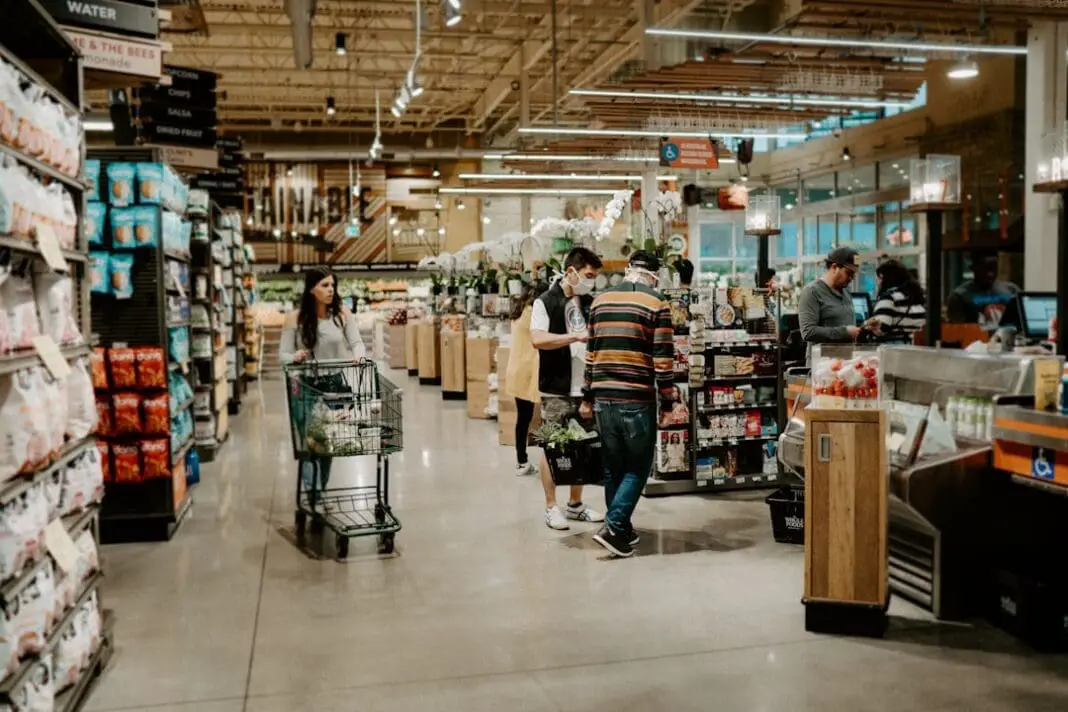
The average American household is spending over $500 a month on groceries right now. That number stings no matter where you shop, but it stings a whole lot more if you’re walking into the wrong store. Some grocery chains are charging premiums that go way beyond what the food inside the bag is actually worth. You’re paying for vibes, for aesthetics, for the privilege of being seen with their shopping bag.
A major national price study compared grocery costs across six U.S. cities using Walmart as the baseline. The gap between the cheapest and most expensive stores was more than 33%. When specialty grocers got thrown into the mix, that gap stretched even wider. So yeah, where you shop matters. A lot.
Here are the eight most expensive grocery chains in America, ranked from the ones that are at least somewhat justifiable to the one that’s basically performance art with a cash register.
8. Publix
Publix has a devoted following, especially in the Southeast. The subs are famous. The customer service is genuinely good. The stores are clean and well-stocked. But “where shopping is a pleasure” comes with a price, and it’s not a small one.
A price comparison found a $40 gap between the same grocery haul at Publix versus budget chain Lidl. Garden herbs cost a dollar more. A three-pack of bell peppers ran over $2 higher. And the biggest hit was on protein, where popular cuts of meat came in around $13 more expensive at Publix. That adds up fast if you’re shopping for a family every week. Publix is employee-owned, which is cool, but that doesn’t make your grocery bill any smaller.
7. Trader Joe’s
This one surprises people. Trader Joe’s has built an incredible reputation as the affordable, quirky alternative to big grocery chains. The branding works. The stores feel fun. Everything has a cute name and charming packaging. But the numbers tell a different story.
According to national pricing data, Trader Joe’s average prices are 24.6% higher than Walmart’s. In Denver, TJ’s was actually the single most expensive grocery store in the entire metro area, beating out even Whole Foods by a slim margin. In Dallas-Fort Worth, it ranked second most expensive. The store’s cult following and reputation as a budget pick don’t match the reality of its pricing. You’re paying for the experience and the brand loyalty more than you might realize.
6. Jewel-Osco
If you live in Illinois, you know Jewel-Osco. It’s one of those regional chains that feels like it’s been around forever, and people shop there out of habit more than anything else. But habit is costing Chicago shoppers real money.
In the Chicago metro area, Jewel-Osco topped the list as the most expensive grocery store, with prices 29.7% above Walmart’s baseline. That beat out Whole Foods in the same market, which is saying something. Nationally, Jewel-Osco still ranks among the priciest chains at 29.7% above the baseline. For a store that doesn’t really market itself as premium or upscale, those numbers are hard to justify. You’re not getting a boutique shopping experience here. You’re just paying more for the same stuff.
5. Shaw’s
Shaw’s is a New England chain, and if you’ve ever lived in Massachusetts, New Hampshire, or Maine, you’ve probably shopped at one. It’s a standard, no-frills supermarket. Nothing fancy about the layout, the selection, or the branding. Which makes its price tag confusing.
Nationally, Shaw’s prices come in at 31.9% above Walmart. That makes it more expensive than Jewel-Osco, more expensive than Trader Joe’s, and close to Whole Foods territory. But unlike Whole Foods, Shaw’s doesn’t give you organic produce from small local farms or trendy specialty brands. You’re paying a premium for what is essentially an ordinary grocery store. New Englanders who have a Costco, Aldi, or even a Market Basket nearby should seriously consider switching.
4. The Fresh Market
The Fresh Market is the kind of store you walk into and immediately understand why everything costs more. The lighting is warm. The displays look like someone styled them for a magazine. There’s freshly ground honey-roasted peanut butter and whole-bean coffee in the bulk section. USA Today readers voted it the best grocery store in the country in 2025, and it’s easy to see why people love it.
But the prices reflect that boutique atmosphere. A bottle of olive oil that costs 55 cents per ounce at Walmart runs about $1.66 per ounce at The Fresh Market. That’s three times the price for olive oil. With over 150 stores in 22 states, mostly on the East Coast, it’s accessible enough to be tempting. But it’s really a special occasion store. Doing your weekly grocery run here will drain your bank account in ways you won’t notice until the credit card statement arrives.
3. Whole Foods
The nickname “Whole Paycheck” has been around for years, and even after Amazon bought the chain in 2017 with promises to bring prices down, it still fits. Nationally, Whole Foods prices average 39.7% higher than Walmart. In Virginia Beach, that number jumped to a staggering 57.7%.
A ribeye steak at Whole Foods can cost $6 more per pound than the same cut at Kroger. A bottle of maple syrup might hit $20. A private chef who tested shopping there for Business Insider found that staples like pasta, chicken, and tofu ran nearly twice the normal price, and his standard $60 grocery budget evaporated fast. Whole Foods will tell you the prices reflect ingredient sourcing standards and that they’ve cut costs on 25% of their items recently. That may be true. But it’s still the most expensive national chain by a wide margin, and it was the priciest store in four of the six metro areas studied.
2. Gelson’s Markets
If you don’t live in Southern California, you’ve probably never heard of Gelson’s. That’s because it only operates in that region, catering to a crowd that wants premium produce and doesn’t mind paying through the nose for it. They stock seasonal and rare items like fresh figs and dragonfruit, which is nice if you’re into that.
But the everyday prices are brutal. Organic bananas cost $1.09 per pound. A 20-ounce loaf of bread runs $6 to $7. A half-gallon of Organic Valley Whole Milk is $6.99, and you can buy that same brand for less at basically any other grocery store. The word that keeps coming up when people describe Gelson’s is “unnecessarily overpriced,” and it’s accurate. You’re paying a location tax on top of a quality tax, and unless you live walking distance from one and nowhere else, it’s hard to recommend for regular shopping.
1. Erewhon
And here we are. The grocery store that has become a cultural phenomenon, an Instagram landmark, and a running joke about Los Angeles all at the same time. Erewhon is, by almost every measure, the most expensive grocery chain in America. It’s not even close.
Let’s talk specifics. A 12-ounce jar of NutMutt Organic Pistachio Butter sells for $24.99 on the manufacturer’s own website. At Erewhon, that same jar costs $45.99. That’s not a markup. That’s a different universe. Their smoothies run $18 to $26, often with a celebrity’s name attached. A single luxury Japanese strawberry called the “Tochiaika” was sold for about $18.99, packaged individually. Small-batch yogurts go for $12 to $15 per jar. One of their reusable grocery bags costs $138. A reusable bag.
The chain started in Boston back in the 1960s, founded by Michio and Aveline Kushi with idealistic goals. It eventually moved to LA and became the upscale empire it is today. Erewhon opened three new stores in 2025, its biggest expansion in over a decade. The chain reportedly generates $1,800 to $2,500 in sales per square foot, which is up to five times what a normal supermarket earns. It’s a certified B Corp and a social media goldmine. One YouTube haul video from a food creator pulled in over 14 million views.
But let’s be honest about what Erewhon actually is. It’s grocery theater. It’s a place where affluent shoppers and celebrities go to be seen, and where regular people visit once for the content. Most people are not doing their weekly grocery run here, and they shouldn’t be. The prices are two to three times higher than comparable items at normal chains. The entire business model runs on exclusivity, scarcity, and the idea that spending more on food is a form of self-improvement. It’s brilliant marketing. But as a place to buy actual groceries for your household? It’s the most expensive option in the country, and nothing else comes close.
The Takeaway
Every store on this list has something going for it, whether that’s quality, atmosphere, specialty items, or convenience. But if you’re watching your budget (and who isn’t right now?), you should know exactly what you’re paying for. The same study that ranked these expensive chains also found that Costco’s prices were 21.4% lower than Walmart’s, and stores like Aldi and Lidl beat Walmart’s prices too. So the next time you’re debating where to shop, remember that the difference between the cheapest and most expensive store in your city could be more than 33% of your entire grocery bill. That’s real money, every single week.

