

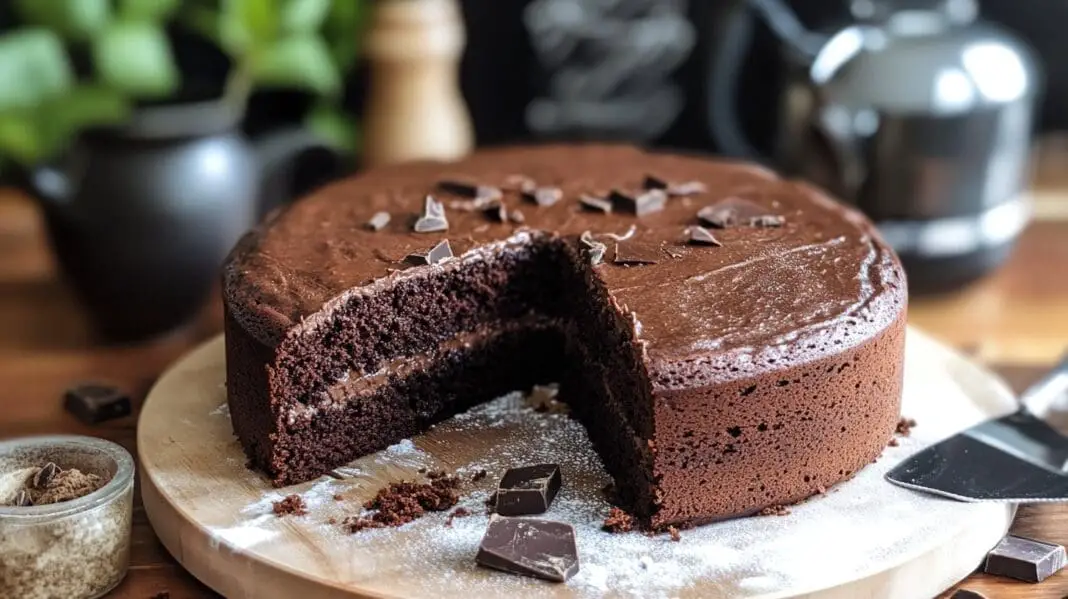
My sister is not a crier. She’s the one who held it together at our grandmother’s funeral, the one who watches sad movies with dry eyes while the rest of us are a mess. So when she took a bite of this chocolate cake at my kitchen table last Thanksgiving, set down her fork, and started openly weeping, I genuinely thought something was wrong.
Nothing was wrong. Everything was right. She said it tasted exactly like the chocolate cake our mom used to make for our birthdays when we were little. Mom passed away six years ago, and somewhere in the chaos of grief and cleaning out her house, we lost the recipe. I’d spent years trying to recreate it from memory, and this was the first time I’d gotten close enough to make the past come flooding back.
That’s what food does sometimes. It carries memories in a way that photos and stories can’t quite match. Smell and taste are wired directly to the part of your brain that processes emotion and memory, which is why a single bite of something familiar can hit you like a freight train. Researchers actually call it the “Proust effect,” and it’s real enough that therapists use familiar foods to help people access buried memories.
But you’re not here for a psychology lesson. You’re here for the cake. So let me tell you about this cake.
Why This Particular Chocolate Cake Hits Different
The recipe I landed on is based on the classic Hershey’s-style chocolate cake that’s been floating around American kitchens for decades, but with some important tweaks that take it from good to “make your sister cry at the dinner table” territory. The original Hershey’s recipe is solid, but it’s a starting point. What I’m giving you here pulls from several tested versions and my own trial and error over the years.
The thing that makes this cake special is how deeply, unapologetically chocolate it is. This is not a cake for people who want a “hint” of chocolate. This is a cake that tastes like chocolate went to war and won. It’s also impossibly moist. Like, almost pudding-level moist. The kind of crumb that makes you close your eyes when you chew.
The Secret Ingredients That Make It Work
There are three things in this cake that most people don’t expect, and all three are non-negotiable.
Boiling water (or hot coffee). Yes, you pour boiling liquid into the batter at the very end. Yes, it turns the batter incredibly thin. You will look at it and think you ruined it. You didn’t. That thin batter is exactly what creates the insane moisture. The hot liquid also blooms the cocoa powder, releasing fat-soluble flavor compounds that make the chocolate taste ten times more intense. If you use freshly brewed hot coffee instead of plain water, it amplifies the chocolate even further without making the cake taste like coffee at all.
Espresso powder. A teaspoon of instant espresso powder does the same thing coffee does, just in concentrated form. It’s a flavor booster, not a flavor changer. If you don’t have espresso powder, just use hot coffee for the liquid. Either way, you’re getting that deep, complex chocolate flavor that separates a great chocolate cake from a forgettable one.
Buttermilk. Buttermilk gives the cake a subtle tang that balances the sweetness and adds another layer of depth. It also reacts with the baking soda to give the cake its lift. If you don’t keep buttermilk in the fridge (I never used to), you can make a quick substitute by adding a tablespoon of white vinegar or lemon juice to a cup of regular milk and letting it sit for five minutes.
Some bakers also swear by adding mayonnaise to their chocolate cake batter. It sounds weird, but mayo is really just eggs, oil, and vinegar, so it adds fat and protein without any detectable mayo flavor. I tested it. It works. But I don’t include it in the main recipe because the buttermilk and oil combination already gets you where you need to be.
The Cocoa Powder Matters More Than You Think
Don’t grab the cheapest store brand cocoa powder off the shelf. It makes a real difference here. Hershey’s unsweetened cocoa is the baseline, and it works well. If you want to step it up, Ghirardelli is widely available at most grocery stores and gives you a richer, more rounded chocolate flavor. For the frosting specifically, Hershey’s Special Dark cocoa gives you that gorgeous, almost black color.
There’s a whole debate about Dutch-process versus natural cocoa. For this recipe, stick with regular unsweetened (natural) cocoa in the cake batter. Dutch-process cocoa has been treated to reduce acidity, which can mess with how the baking soda reacts and affect the rise. Save Dutch-process for the frosting if you want a darker color.
The Frosting That Ties It All Together
The cake itself will make people happy. The frosting will make them ask for seconds. I go with a chocolate buttercream that’s rich without being so sweet it makes your teeth hurt. Some versions use an egg yolk in the frosting as an emulsifier, which creates this impossibly smooth, almost mousse-like texture. Ina Garten’s Beatty’s Chocolate Cake frosting does this, and it’s legitimately one of the best chocolate frostings I’ve ever tasted.
For my version, I keep it simpler: butter, powdered sugar, cocoa powder, vanilla, and a splash of hot coffee to thin it out and deepen the flavor. Beat it for a solid three to four minutes and it gets light and fluffy. If it’s too thick, add milk a tablespoon at a time. If it’s too thin, add more powdered sugar. You want it spreadable but thick enough to hold its shape on the cake.
Common Mistakes That Will Ruin This Cake
Over-measuring your flour. This is the number one reason chocolate cakes come out dry. If you scoop your measuring cup directly into the flour bag, you can easily pack in an extra quarter cup of flour without realizing it. Use a kitchen scale if you have one. If you don’t, spoon the flour into the measuring cup and level it off with a knife. This applies to the cocoa powder too.
Over-baking. Pull the cakes out when a toothpick inserted in the center comes out with just a few moist crumbs clinging to it. If it comes out perfectly clean, you’ve gone too far. The cakes will continue to cook in the hot pans for a few minutes after you take them out of the oven. Better to err on the side of slightly underdone than overdone. One baker I read about keeps two thermometers in her oven to make sure the temperature is accurate, because most ovens run hot or cold.
Over-mixing the batter. Once you add the dry ingredients to the wet, mix just until combined. Over-mixing develops the gluten in the flour, which gives you a tough, rubbery cake with weird tunnel-like holes. Nobody wants that.
Using cold eggs. Room-temperature eggs emulsify into the batter much more smoothly, giving you a more even crumb. Pull your eggs out of the fridge 30 minutes before you start, or drop them in a bowl of warm water for 10 minutes.
Tips for Making It Ahead
This cake is actually better on day two. The flavors deepen and the crumb gets even more moist as it sits. If you want to bake the layers in advance, let them cool completely, then wrap each layer tightly in plastic wrap, then foil, and slide them into a freezer bag. They’ll keep in the freezer for up to two months. When you’re ready to use them, thaw overnight in the fridge with the wrapping still on so condensation forms on the outside of the wrap, not on the cake.
You can also bake this as a 9×13 sheet cake if you don’t feel like dealing with layers. Adjust the baking time to about 35 to 40 minutes and frost it right in the pan. Works beautifully for potlucks, office birthdays, or any situation where you don’t need the cake to look like it belongs on Instagram.
Why This Recipe Became My Forever Recipe
I’ve made a lot of chocolate cakes over the years. Some were good. Some were dry and disappointing. A few were so complicated they weren’t worth the effort. This one threads the needle between impressive and doable. It’s a from-scratch cake that doesn’t require any specialty equipment or hard-to-find ingredients. Everything in it is available at any grocery store in America.
But more than that, it’s the cake that brought my mom back to the table for a few seconds. My sister wiped her eyes and laughed about it afterward, said she felt ridiculous for crying over cake. I told her it wasn’t ridiculous at all. Food does that. It holds things we didn’t even know we were missing until we taste them again.
Make this cake. Make it for someone you love. And if it makes them cry, just hand them a napkin and cut them another slice.
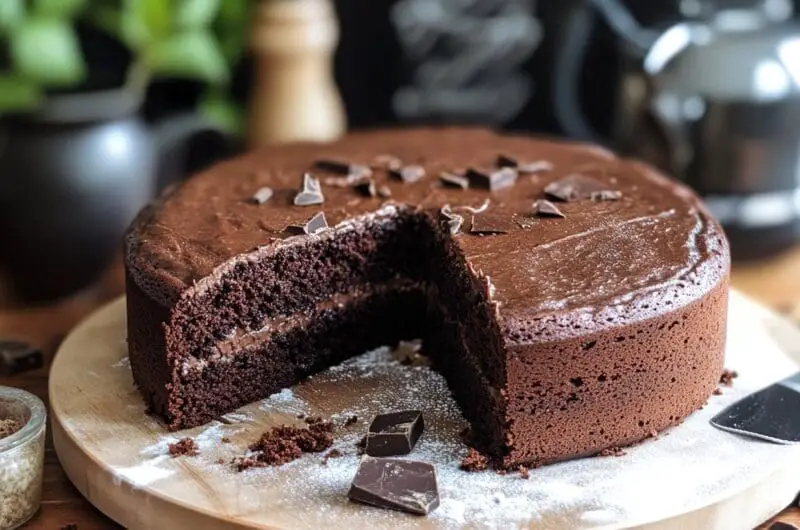
The Chocolate Cake That Made My Sister Cry
Course: DessertCuisine: American12
servings20
minutes35
minutes480
kcalA deeply rich, impossibly moist from-scratch chocolate cake with chocolate buttercream frosting. This is the kind of cake that makes people set down their fork and get emotional.
Ingredients
2 cups (240g) all-purpose flour
2 cups (400g) granulated sugar
3/4 cup (65g) unsweetened cocoa powder (Hershey’s or Ghirardelli)
2 teaspoons baking soda
1 teaspoon baking powder
1 teaspoon salt
1 cup buttermilk, room temperature
1/2 cup vegetable oil
2 large eggs, room temperature
2 teaspoons vanilla extract
1 teaspoon instant espresso powder
1 cup boiling water (or freshly brewed hot coffee)
For the frosting: 1 cup (2 sticks) unsalted butter, softened
For the frosting: 3 1/2 cups powdered sugar, sifted
For the frosting: 1/2 cup unsweetened cocoa powder
For the frosting: 2 teaspoons vanilla extract
For the frosting: 2-4 tablespoons milk or hot coffee
Directions
- Preheat your oven to 350°F. Grease two 9-inch round cake pans with baking spray or butter and flour. Line the bottoms with parchment paper rounds for easy release.
- In a large bowl, whisk together the flour, sugar, cocoa powder, baking soda, baking powder, espresso powder, and salt until everything is evenly combined. Break up any cocoa clumps with the back of your whisk.
- Add the buttermilk, vegetable oil, eggs, and vanilla extract to the dry ingredients. Beat on medium speed with a hand mixer or stand mixer for about 2 minutes until smooth and well combined.
- Carefully stir in the boiling water (or hot coffee) on low speed until fully incorporated. The batter will be very thin. This is exactly what you want, so do not panic. This liquid batter is what creates the incredibly moist crumb.
- Divide the batter evenly between the two prepared pans. Tap the pans on the counter a few times to release any large air bubbles. A kitchen scale helps ensure even layers.
- Bake for 30 to 35 minutes, or until a toothpick inserted in the center comes out with just a few moist crumbs. Do not wait for it to come out perfectly clean. Let the cakes cool in the pans for 10 minutes, then flip them out onto a wire rack to cool completely.
- Make the frosting: beat the softened butter on medium-high speed for 2 minutes until pale and creamy. Add the sifted powdered sugar, cocoa powder, and vanilla. Beat on low until combined, then increase to medium-high and beat for 3 to 4 minutes until light and fluffy. Add milk or hot coffee one tablespoon at a time until you reach your preferred consistency.
- If the cake layers domed, use a serrated knife to level the tops. Place one layer on your serving plate, spread a generous layer of frosting on top, then place the second layer on top. Frost the top and sides of the cake. Serve at room temperature.
Notes
- If you don’t have buttermilk, add 1 tablespoon of white vinegar or lemon juice to 1 cup of whole milk and let it sit for 5 minutes before using.
- Freshly brewed hot coffee can be used instead of boiling water plus espresso powder. It intensifies the chocolate flavor without making the cake taste like coffee.
- Cake layers can be baked ahead, wrapped tightly in plastic wrap and foil, and frozen for up to 2 months. Thaw overnight in the fridge with wrapping intact before frosting.
Frequently Asked Questions
Q: Can I use Dutch-process cocoa powder instead of regular unsweetened cocoa?
A: For the cake batter, stick with regular (natural) unsweetened cocoa powder. Dutch-process cocoa has been treated to reduce its acidity, which can interfere with how the baking soda reacts and affect how the cake rises. You can use Dutch-process cocoa in the frosting if you want a darker color and smoother chocolate flavor.
Q: Why is the batter so thin after adding the boiling water? Did I mess up?
A: Nope. The batter is supposed to be extremely thin, almost like chocolate milk. This is what gives the cake its legendary moisture. Trust the process and pour it into the pans. It will bake up perfectly.
Q: Can I make this as a sheet cake instead of a layer cake?
A: Absolutely. Pour the batter into a greased 9×13 inch pan and bake for 35 to 40 minutes at 350°F. Check with a toothpick starting at 35 minutes. Frost it right in the pan. It’s perfect for potlucks and casual gatherings where you don’t need a show-stopping layer cake.
Q: Does the coffee or espresso powder make the cake taste like coffee?
A: Not at all. The coffee works as a flavor amplifier for the chocolate. It makes the chocolate taste deeper and more complex, but no one will taste coffee in the finished cake. If you’re still nervous about it, use just the boiling water without the espresso powder. The cake will still be great, just slightly less intense.

