

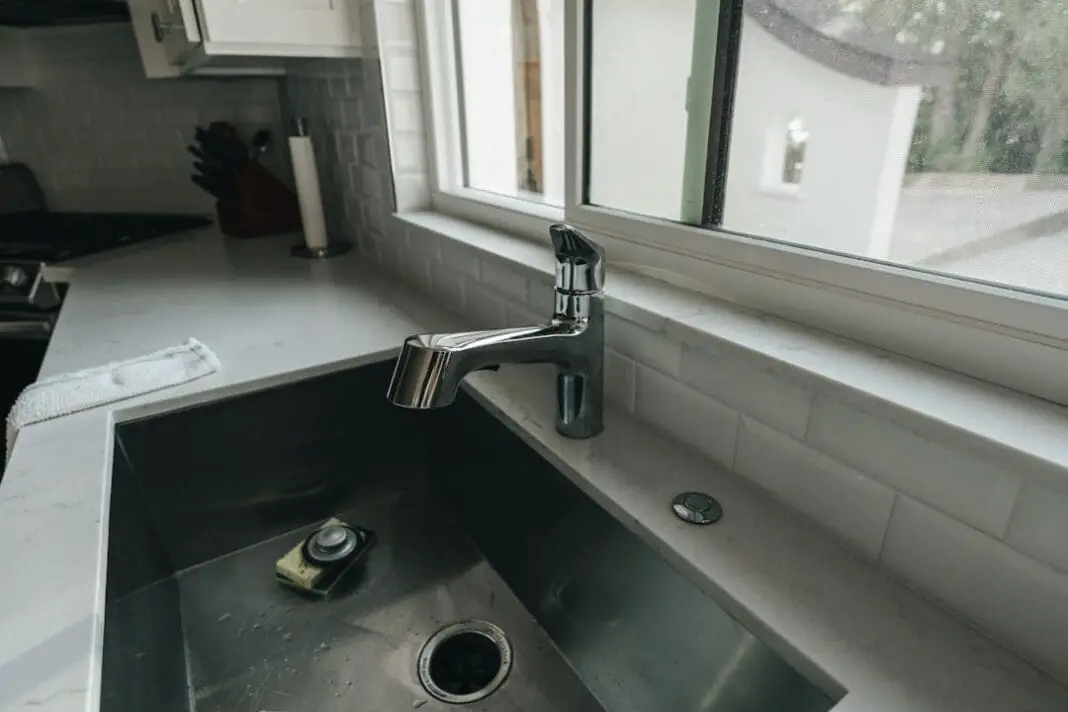
You probably don’t think twice about what goes down your kitchen sink. You rinse a pan, dump some old coffee, maybe scrape a plate straight into the drain and call it a day. Most of us do. And most of us are slowly, quietly building a problem inside our pipes that’ll eventually cost hundreds or even thousands of dollars to fix.
I’m not being dramatic. According to recent data, the average main sewer line clog repair runs $379, but it can spike to $1,600 if they need to bring out a camera and hydrojetting equipment. Emergency after-hours service? That tacks on another 30 to 50 percent. And if your pipes need replacing, you’re looking at $2 per linear foot on the national average, which adds up fast when your sewer line runs under your entire yard.
The thing is, most of these disasters are completely preventable. Here are the things you should absolutely never pour down your drain, and why each one is a bigger deal than you think.
Grease, Fats, and Cooking Oil
This is the number one offender, and it’s not even close. Grease, fats, and oils are responsible for more than 47 percent of all sewer overflows in the United States every single year. Nearly half. Think about that the next time you pour bacon grease down the sink.
Here’s what happens. The grease goes down liquid because it’s hot. But as it cools inside your pipes, it solidifies and coats the walls. Then every other bit of food debris, coffee grounds, or whatever else you rinse down there sticks to it like glue. Over weeks and months, that coating thickens until water can barely pass through.
Running hot water after the grease doesn’t fix it. It just pushes the grease a little further down the line before it hardens anyway. Same thing with dish soap. The grease wins eventually.
What to do instead: Let your grease cool in the pan, then pour it into an old jar or can. Some people line a small bowl with aluminum foil, pour the grease in, let it harden, then toss the whole foil packet in the trash. Easy.
Coffee Grounds
This one surprises people because coffee grounds seem so small and harmless. But ask any plumber and they’ll tell you coffee grounds are one of the most common causes of kitchen sink clogs. Mike Thomas, a master plumber with 17 years of experience in Pittsburgh, explained it to Reader’s Digest like this: the grounds are fine and gritty, almost like sand. They settle into the bends of your plumbing and create a wedge that traps everything else coming down after them.
“When you add something like potato peels, it all hangs up on that wedge,” Thomas said. Over time, this causes rust, corrosion, and full blockages.
Even a garbage disposal can’t save you here. The grounds are already ground. The disposal just sends them further into your pipes. Better option: toss them in the trash or add them to a compost bin. They’re loaded with nitrogen and plants actually love them.
Flour
Ever mixed flour and water? You get paste. Literal paste. That’s exactly what happens inside your pipes when you rinse flour down the drain. It coats the inside of the pipe, hardens up, and creates a blockage that’s incredibly stubborn to remove.
This catches a lot of home bakers off guard. You’re done making bread or dredging chicken cutlets, so you rinse the bowl and the cutting board in the sink. Seems innocent enough. But that floury water is basically liquid cement for your plumbing. Wipe the excess flour into the trash first, then wash.
Eggshells
There’s a persistent myth that eggshells sharpen your garbage disposal blades. They don’t. Your disposal doesn’t even have blades in the traditional sense. What actually happens is the disposal grinds the shells into tiny, sharp-edged bits that travel into your pipes and cling to existing gunk. Those sharp edges trap other food waste passing by, and a minor buildup quickly becomes a major clog.
It’s the same principle as the coffee grounds. Each individual piece is tiny, but they accumulate in ways that are really hard to reverse without calling someone. Toss them in the trash or compost them.
Rice, Pasta, and Oatmeal
All three of these expand when they absorb water. You already know this because you’ve cooked them. But people forget that the expanding doesn’t stop just because the food is in your pipes. Leftover rice grains, pasta noodles, and oatmeal will continue to swell inside your plumbing, creating sticky, starchy blockages that are a pain to clear.
Cooked pasta is especially bad because it gets soft and gummy, clinging to pipe walls and drying up in layers. Scrape your plates into the trash before rinsing. It takes five seconds and can save you a $400 plumber visit.
Potato Peels and Fibrous Vegetables
Potato peels are starchy, which means they create a thick, glue-like paste when mixed with water. That paste gums up both your garbage disposal and your pipes. Broccoli stems, celery strings, corn husks, and pumpkin guts fall into a similar category. The fibers wrap around disposal components or lodge in pipes, creating a mat that blocks water flow.
Once that fibrous mat dries even slightly, it starts trapping everything else that comes down the drain. Mike Thomas compared putting citrus wedges in a disposal to throwing a rubber ball in there. It wears down the motor and isn’t doing what you think it’s doing.
Paint
Whether it’s latex or oil-based, paint has no business going down your drain. One plumbing resource calls it a “triple threat” because it can clog your pipes, damage your plumbing, and contaminate the water supply all at once. Paint solvents and thinners are even worse. They can damage pipes and reduce the effectiveness of sewage treatment systems.
The right move: pour leftover paint back into the original can and seal it. Never mix oil-based and latex paints together. When you need to dispose of them, take them to your local Household Hazardous Waste Center. Most cities and counties have one, and many hold periodic collection events.
Motor Oil and Automotive Fluids
Pouring motor oil down the drain is illegal in many states, and for good reason. According to the EPA, one single gallon of motor oil can contaminate up to one million gallons of fresh water. That’s a full year’s water supply for 50 people. Gone, because someone dumped their old oil down a storm drain or bathroom sink.
Antifreeze, brake fluid, windshield washer fluid, and gasoline all fall into this category too. Store used motor oil in an approved container and take it to a hazardous waste facility. Most AutoZone, O’Reilly, and similar auto parts stores also accept used oil for recycling at no charge.
Medications and Pharmaceuticals
This is a big one that’s getting more attention. The EPA is clear: do not flush or pour medications down the drain. Water treatment plants are not designed to remove pharmaceuticals. They’re built to handle conventional stuff like suspended solids and organic compounds. Many drugs pass straight through the treatment process and end up in rivers, lakes, and groundwater.
A U.S. Geological Survey study found that up to 80 percent of American streams contain pharmaceuticals, even in remote areas. And in April 2026, the EPA placed pharmaceuticals on a draft list of contaminants in drinking water for the first time ever. The DEA hosts National Prescription Drug Take Back Day in April and October each year, with collection sites across the country. Many pharmacies also have drop boxes year round.
Paper Products, Wipes, and “Flushable” Items
Toilet paper is designed to dissolve in water. Paper towels, facial tissues, baby wipes, and “flushable” wipes are not. Despite what the packaging says, those so-called flushable wipes cause massive problems in both home plumbing and municipal sewer systems. They don’t break down. They ball up, get stuck, and require professional intervention to remove.
Same goes for feminine products. Despite years of marketing suggesting otherwise, tampons and pads can cause severe damage to your plumbing. Trash can. Every time.
Produce Stickers (Yes, Really)
This one feels ridiculous, but it’s real. Those tiny stickers on your apples and avocados? They’re made of plastic or vinyl. They don’t dissolve, they don’t break down, and they love to stick to the inside of pipe walls, clog sink strainers, and jam garbage disposal components. Plumbers see them constantly.
Peel them off before you wash your produce and flick them into the trash. Takes one second.
What to Do Instead
The simplest thing you can do is get a sink strainer. They cost between $5 and $15 at any hardware store and catch most of the stuff that shouldn’t be going down there. Scrape your plates into the trash before rinsing them. Keep a jar near the stove for grease.
If you’re already noticing slow drains, don’t reach for a bottle of chemical drain cleaner. Those products rely on caustic chemicals that eat through clogs but also erode your pipes over time. Repeated use strips protective coatings inside the pipe and can cause leaks or premature failures. A professional drain snaking costs $100 to $275, which is a lot cheaper than replacing a section of pipe under your house.
Treating your drains right is one of those boring, unsexy home maintenance habits that saves you real money. A main sewer line backup is not just expensive. It’s disgusting. Sewage backing up through your floor drains, water coming up in your shower when you flush the toilet. Nobody wants that. And most of the time, it’s been building for months or years because of the same handful of things going down the drain that shouldn’t be.
So the next time you’re about to pour something questionable down the sink, just pause for a second and ask yourself if it’s worth a $600 plumber bill. It never is.

