

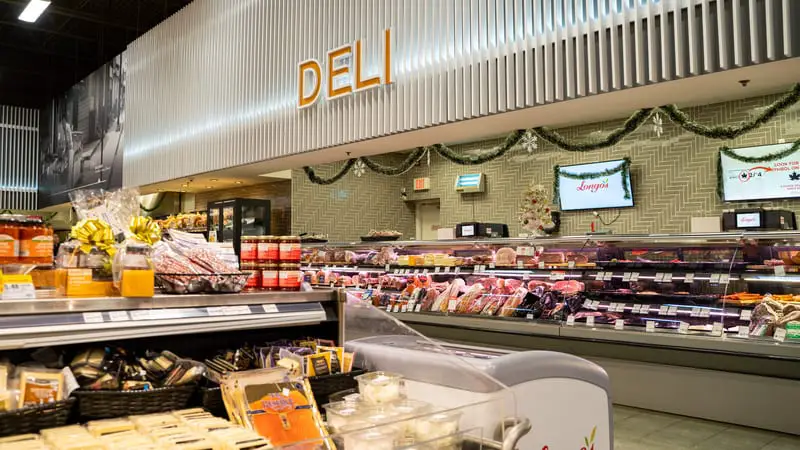
It is 5:40 on a weekday, you have not thought about dinner, and the glass case is doing exactly what it was built to do. Everything behind it looks handmade. Tubs of potato salad with paprika dusted across the top, chicken glowing orange under the lamp, cut melon stacked in clear bowls like it is still August.
Convenience is the actual product at a deli counter, and the markup on convenience there is steeper than almost anywhere else in the store. Some of what sits in that case earns its price. Most of it is a knife, a tub and ten minutes of labor sold back to you at a steep markup.
The worst buy in the entire display is the plastic bowl of cut fruit.
10. Pre-Cut Fruit Bowls
Melon, grapes and pineapple in a clamshell is the purest labor tax in the grocery store. You are paying top dollar per pound for somebody else’s knife work, and the product starts falling apart the moment that work is done.
Chopped fruit oxidizes fast. By the time a bowl has been cut, packed, chilled and set out for display, the melon is weeping and the pineapple has gone soft at the edges. You are buying produce that is already past its best, at a markup over the whole fruit, even after the rind and core are gone.
A whole pineapple and five minutes at the sink gets you more fruit, in better shape, for a fraction of the cost. Nothing in the case has a worse ratio of money spent to food you actually want to eat.
9. Wrapped Subs And Pre-Made Sandwiches
The sandwiches in the deli cooler were almost certainly built early that morning. By lunch, the bread has absorbed everything wet inside it, which is why a deli sub so often arrives slightly damp and slightly sad.
The fillings are portioned to a rule. Meat gets measured out to the smallest amount that still looks acceptable through plastic wrap, which is why the first bite is mostly bread and the last bite is mostly mayonnaise.
Then there is the arithmetic. Seven or eight dollars for a sub holding maybe two dollars of ingredients is roughly the deal. Buy a loaf of bread and a half pound of turkey sliced at the counter and you get four better sandwiches out of the same spend.
8. Macaroni And Potato Salad
Six or seven dollars a pound for cooked noodles and basic dressing is a hard sell at any counter. Deli pasta and potato salads lean heavily on mayonnaise, which is cheap and which adds weight on a scale you are paying by.
Traditional delis have never thought much of mayonnaise either. Katz’s Deli in New York describes its hot pastrami sandwich with a warning: “Ask for mayo at your own peril.”
These tubs also fail the test they are usually bought for. If you are grabbing a deli side on your way to a potluck, buy something you have personally eaten before, because deli food often looks better than it tastes. A pound of potatoes and twenty minutes makes a bowl nobody has to be polite about.
7. Kirkland Signature Prepared Trays
Costco’s deli has a reputation it is no longer entirely living up to. The big Kirkland Signature prepared trays draw a steady run of price complaints, and the complaints are specific rather than vague.
The Pesto Pasta Salad with Mozzarella Pearls reads as expensive for what it is, with shoppers pointing out that you are mostly paying for the pesto. The Mac and Cheese is pasta and cheese sold by the tray. The Rotisserie Chicken Enchiladas have climbed hard enough that regular buyers have noticed, and Sam’s Club sells a comparable tray for less per pound.
Shrinkflation shows up too. The Chicken Alfredo with Penne Pasta has drawn repeated complaints about how little chicken is in it, with the advertised portion count bearing no relationship to how many people it actually feeds. The Stuffed Bell Peppers need a long stretch in the oven before anyone eats, which defeats the only reason to buy a prepared tray in the first place.
6. Fried Chicken Tenders
Breading weighs something, and at the hot counter you pay for it by the pound. Tenders are coated heavily, which means a meaningful share of what the scale reads is flour and crumb rather than chicken.
Heat lamps finish the job. An hour or two under the bulb dries out the meat while steam softens the crust, so you end up with the two failure modes of fried chicken at once: dry inside, soggy outside.
A bag of frozen tenders baked at home costs less per serving and comes out of your oven crisp. The hot case does a lot of things well. This is not one of them.
5. Sliced American And Mild Cheddar
Asking the counter to run standard American or mild cheddar through the slicer is money spent on a machine you do not need. The cheese is the same cheese sitting pre-packaged in the dairy aisle five aisles over, and the counter charges a premium per pound purely for the service.
Specialty cheese is the exception, and it is the whole argument for the counter existing. If it is something you genuinely cannot buy packaged, order it there and enjoy it.
Otherwise, buy the block. Slicing it yourself at home is the cheapest option available, and you get to cut it thick. Cheese sliced too thin at the counter crumbles before it reaches the bread.
4. Sliced Roast Beef
Roast beef is often among the priciest lunch meats at a standard deli counter, and the per-pound price can rival a good steak from the butcher department in the same building. That comparison should stop you in your tracks.
It also has the shortest useful life of anything you will carry home from the counter. Sliced roast beef dries out quickly once it is wrapped, so the sandwich you make on day three is noticeably worse than the one you made on day one.
An eye of round roasted in your own oven and sliced thin costs a fraction of what the counter charges, and over a year of sandwiches the gap is substantial. If roast beef is your sandwich, this is the single easiest place to stop overpaying.
3. Soup Of The Day And The Prepared Salads
The soup of the day sounds like a seasonal special and is more often a way of using up what the kitchen needs to move before it turns. A skilled cook can make that taste good. It is still the kitchen’s inventory problem being sold to you at retail.
Prepared salads follow the delivery truck. A salad built from produce that landed that morning looks and tastes like a different dish than one assembled the day before the next delivery, when the deli is working through its oldest vegetables.
Timing fixes this, and the information is free. Ask the cooks or the department manager which days the deliveries arrive. They are not guarding it, and buying salad on the right day of the week is the difference between a decent side and a limp one.
2. Counter-Sliced Turkey And Specialty Salami
Ordering a half pound of turkey or a good salami is what the counter is for, and it is where the department finally earns its keep. The product is cut in front of you, you choose the thickness, and you buy exactly the quantity you intend to eat.
Check the pre-sliced packs in the cooler next to it before you assume they are the deal. That meat was sliced hours or days earlier, and its per-pound price is not reliably lower than the counter’s. A pack marked down near its best-by date is the one that can undercut the counter outright.
Thickness is worth thinking about before you order. Ask for turkey sliced thin: thick slices use up a half pound in fewer sandwiches. Paying attention to which meats and cheeses are on the weekly sale rotation is where the real saving at this counter lives.
1. Rotisserie Chicken
The whole rotisserie chicken is the best thing in the department and it is not close. It is a deliberate loss leader, priced to pull you through the doors, which is why a cooked bird frequently costs less than a raw one in the meat case.
One chicken is several meals. The breast goes on sandwiches, the thighs go into tacos or a grain bowl, and the carcass makes stock. Nothing else in the case stretches that far for the money.
Check the time stamp on the clamshell before you commit; most stores label when the bird came out of the oven. Many, Costco among them, pull a chicken about two hours after that, so if the one in front of you is near the limit, a fresher one is usually not far off. A chicken pulled from the case in its first hour is the best few dollars in the store.
The pattern running through all ten is simple enough to use while standing in front of the glass. Pay the deli for equipment you do not own, the slicer and the rotisserie oven. Do not pay it for a knife, a tub and a scoop.

