

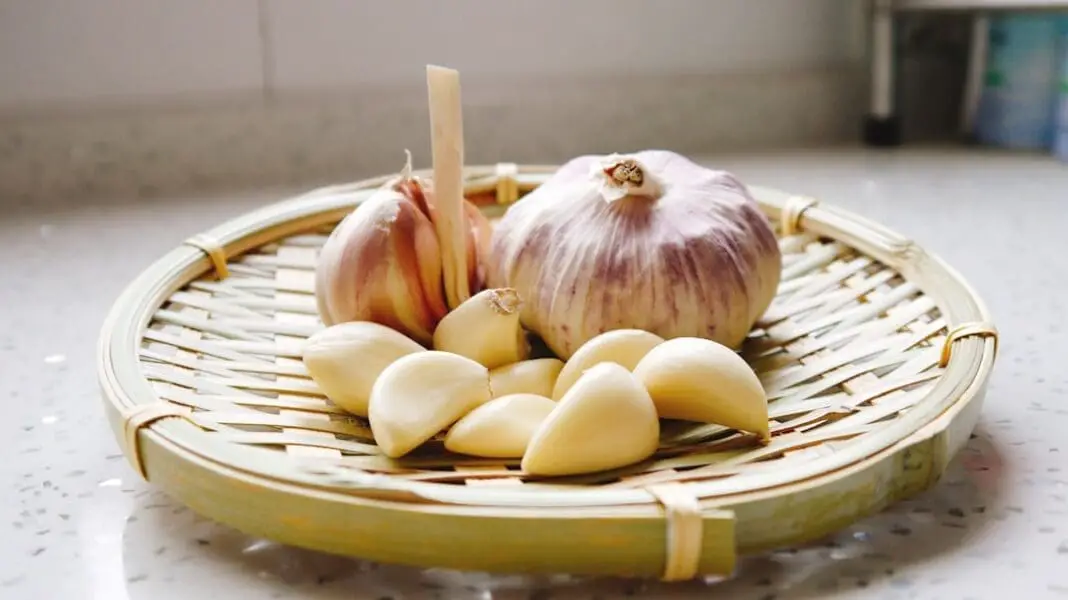
I used to toss my garlic right in the fridge next to the onions, the butter, and whatever leftovers were slowly becoming a science experiment. It seemed logical. Cold keeps things fresh, right? That’s the whole point of a refrigerator. But garlic plays by different rules, and once I figured that out, I stopped wondering why my cloves kept turning into soft, bitter, sprouted little disappointments after a week.
If your garlic has been going bad faster than it should, or if you’ve noticed it tasting weirdly sharp and acrid in your cooking lately, the fridge is almost certainly the problem. Here’s what’s actually going on and what to do instead.
The Fridge Tricks Garlic Into Thinking It’s Spring
This is the part that surprised me the most. Garlic is a bulb, just like an onion or a tulip. It’s biologically programmed to respond to cold temperatures by getting ready to grow. The process is called vernalization, and it’s basically the garlic’s internal alarm clock. After enough time in the cold, it “wakes up” and starts sprouting because it thinks winter is over and it’s time to push out new shoots.
According to garlic growers, garlic needs at least 40 days at around 40°F to trigger this response. Your fridge sits right around 35 to 40°F, which is the sweet spot for telling garlic to start growing. So every day it sits in there, you’re inching closer to finding little green sprouts poking out of your cloves.
And here’s the kicker. Even if you take the garlic out of the fridge before it sprouts, the damage may already be done. That temperature shift from cold to warm is what really accelerates sprouting. The garlic interprets the warming as the arrival of spring, and it kicks into growth mode fast. So pulling a head out of the fridge and leaving it on the counter is basically telling it, “Go ahead, sprout away.”
Sprouted Garlic Tastes Terrible In Your Food
You’ve probably heard that sprouted garlic is still “fine to eat.” Technically, yes. It won’t hurt you. But the flavor takes a nosedive. Once those green shoots appear inside a clove, the garlic becomes sharper, more bitter, and generally unpleasant. That smooth, rich, pungent garlic flavor you’re going for? Gone. Replaced by something acrid that can throw off an entire dish.
If you do end up with sprouted cloves, you can salvage them by slicing the clove in half and pulling out the green germ in the center. That removes the worst of the bitterness. But it’s a band-aid, not a fix. The overall flavor quality of that clove has already dropped, and no amount of surgery is going to make it taste as good as a properly stored one.
Moisture Is Garlic’s Worst Enemy
Refrigerators are humid environments. Depending on what’s in there and how often you open the door, humidity levels can range from 30% to well over 50%. Garlic hates this. Moisture encourages mold growth on the papery outer skin and can make cloves go soft and mushy way before their time.
Patrick Ochs, a corporate executive chef, has pointed out that refrigeration can cause garlic to become rubbery. That’s not the texture anyone wants when they’re mincing garlic for a pasta sauce or a stir fry. Good garlic should be firm and crisp. It should crack apart cleanly when you separate cloves from the head. Rubbery garlic is a sign the moisture has already gotten to it.
And if you’re storing your garlic in a sealed container or plastic bag inside the fridge, you’re making it even worse. Sealed containers trap moisture and block airflow, which speeds up spoilage dramatically. It’s like creating a tiny swamp for your garlic to rot in.
A Real Storage Test Proved The Fridge Is The Worst Option
This isn’t just theory. A real-world storage test run over four weeks compared garlic stored in multiple spots: a pantry bowl, a mesh bag on the counter, a garlic keeper with ventilation holes, a paper bag, and the refrigerator. The garlic was purchased from Costco with a pack date just two weeks before the test started, so everything was on a level playing field.
The results were clear. The fridge scored dead last for both flavor and texture. The garlic stored there was softer, had worse aroma, and tasted noticeably worse when tested both raw on crostini and sautéed in oil. The paper bag didn’t do great either because it restricted airflow almost as much as the fridge.
The winner? A garlic keeper, which is a small ceramic or terra cotta container with ventilation holes. A mesh bag on the counter came in a close second. Both allowed air to circulate freely while keeping the garlic in a dry, room-temperature environment. The pantry bowl was decent but showed some softness and pale sprouts after the test period.
Where Garlic Actually Wants To Live
The ideal setup is simple: a cool, dry, dark place with good airflow. Think pantry shelf, a cupboard away from the stove, or a countertop spot that doesn’t get direct sunlight. The sweet spot for temperature is between 60°F and 65°F. That’s cooler than most kitchens but much warmer than the fridge.
For containers, mesh bags are the gold standard. Wire baskets work great too. Even a simple brown paper bag with some holes punched in it will do the job. The garlic experts at Gilroy Garlic (the company based in the self-proclaimed garlic capital of the world) specifically recommend ventilated containers and warn against plastic bags or anything airtight.
One more thing: keep the head intact as long as possible. Once you break cloves off the bulb, you’re exposing more surface area to air and starting the clock on spoilage. A whole, unbroken head stored properly can last three to six months. Break it apart and those individual unpeeled cloves drop to about seven to ten days. Peel them and you’re looking at roughly a week.
When The Fridge Actually Makes Sense
Here’s where it gets slightly confusing. The rules change completely once garlic is peeled, chopped, or processed in any way. Whole heads? Keep them out. But peeled cloves, minced garlic, or garlic that’s been mixed with oil? Those need to go in the fridge or freezer immediately.
Peeled cloves stored in an airtight container will last about a week in the fridge. Chopped or minced garlic should be used within three days before it starts turning colors. And if you’ve made garlic confit or garlic in oil at home, that has a strict four-day window in the fridge before it needs to be tossed.
The freezer is your friend for longer storage. Whole peeled cloves, chopped garlic, or minced garlic can all be frozen in airtight containers and will keep for up to a year. The texture changes a bit after thawing, but for cooking purposes, it works perfectly well. Some people freeze minced garlic in ice cube trays so they can pop out a portion whenever they need it. That’s a smart move if you buy garlic in bulk.
Other Ways To Preserve A Big Garlic Haul
If you’ve got more garlic than you can use before it starts going downhill, there are some creative options beyond just freezing. You can dry it and grind it into powder (homemade garlic powder is worlds better than the stuff in the jar). You can submerge peeled cloves in vinegar or wine, which preserves them and gives you a bonus garlic-infused liquid for cooking. Both the garlic and the liquid work beautifully in pasta sauces, vinaigrettes, and marinades.
Michigan State University Extension notes that peeled cloves can also be stored in vinegar in the refrigerator, which gives them a longer life than just sitting naked in a container. The vinegar creates an acidic environment that slows down spoilage and keeps things stable.
How To Tell If Your Garlic Has Gone Bad
Good garlic is firm, dry, and white or off-white in color. The papery skin should be tight and intact. When you squeeze a head, it should feel solid, not spongy.
Bad garlic tells you pretty clearly. The cloves feel soft or mushy when you press them. They might have brown spots or an overall yellowish discoloration. If you cut one open and find a dried-out, shriveled interior or a big green sprout running through the center, it’s past its prime. And if there’s any visible mold on the outer skin or a sour smell instead of that sharp, familiar garlic aroma, toss it.
The difference between garlic that lasts two weeks and garlic that lasts five months really does come down to storage conditions. Cool, dry, dark, and well ventilated. That’s it. No fancy equipment required. Just stop putting it in the fridge.
The Quick Cheat Sheet
Whole heads: pantry, mesh bag, or garlic keeper. Room temperature. Can last up to six months.
Individual unpeeled cloves: same spot, but use within seven to ten days.
Peeled cloves: fridge, airtight container, use within a week.
Minced or chopped: fridge, use within three days.
Freezer: up to a year for peeled or minced garlic.
The fridge is only for garlic that’s already been peeled or processed. For whole heads, it’s the worst place in your kitchen. Keep it out, keep it dry, and your garlic will last longer and taste dramatically better in everything you cook.

