

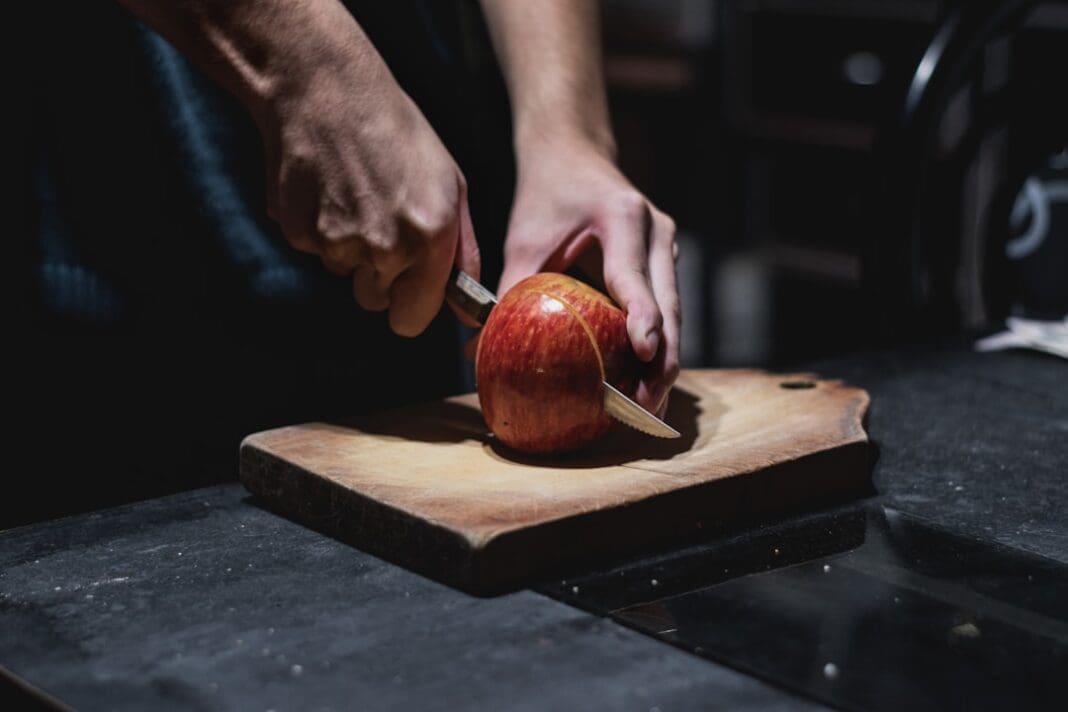
I used to be a chips-before-bed person. Doritos, specifically. Cool Ranch, if you must know. Then one night I grabbed an apple instead because the bag was empty and I was too lazy to go to the store. That was maybe three months ago, and I’ve been doing it almost every night since. Not because I read some article or made some resolution. Just because something shifted, and I kept noticing it.
So here’s what actually happens when you eat an apple before bed, based on what I’ve experienced and what the research backs up. Some of it is obvious. Some of it genuinely surprised me.
You Stop Raiding the Kitchen at 10 PM
This was the first thing I noticed. One apple and the late night cravings just kind of… stopped. And it makes sense when you look at the numbers. A medium apple has about 4 grams of fiber, which is a surprisingly big deal for something that weighs barely half a pound. That fiber, combined with the water content (apples are roughly 85% water), fills your stomach in a way that a handful of pretzels never will.
Here’s the thing people miss about nighttime snacking. You’re usually not hungry. You’re bored, or you’re in a routine, or your blood sugar dipped and your brain screamed “FOOD” at you. An apple handles all three of those problems. It gives you something to crunch on (which satisfies the boredom angle), it becomes a new ritual, and the fiber stabilizes your blood sugar so your body stops sending those false alarm hunger signals. I went from eating 300 to 400 calories of junk before bed to eating roughly 95 calories of apple. Over a week, that’s a real difference.
Your Sleep Gets Weirdly Better
I’ll be honest, I didn’t expect this one. I figured an apple was just a snack swap. But about two weeks in, I started sleeping through the night more consistently. No 3 AM wake-ups staring at the ceiling.
Turns out there’s some real science behind it. Apples contain small amounts of melatonin, though not nearly enough to knock you out like a supplement would. What matters more is the combination of magnesium and potassium, both of which help your muscles relax and your nervous system calm down. There was a study from the early ’90s that found increasing potassium intake for just one week improved sleep efficiency in young men who were on low potassium diets. Apples aren’t a potassium powerhouse like bananas, but they contribute.
The bigger factor, I think, is blood sugar stability. When you eat processed snacks before bed, your blood sugar spikes and then crashes. That crash can wake you up. Apples release their natural sugars slowly because of all that fiber, so you don’t get the roller coaster effect. Your blood sugar stays relatively steady through the night, and your body can actually stay in deeper sleep stages longer.
Your Mornings Feel Different
This one crept up on me slowly. I wasn’t waking up groggy in the same way. My stomach didn’t feel like a brick. And I was actually hungry for breakfast, which is new for me because I used to skip it almost every day.
When you eat a bag of chips or a bowl of ice cream at 11 PM, your digestive system is working overtime while you’re trying to sleep. It’s processing heavy fats and refined carbs when it should be in rest mode. An apple, on the other hand, is light enough that your body can handle it without much effort. The soluble fiber does its job overnight, feeding your gut bacteria and keeping things moving, but it’s not so heavy that your system is overwhelmed.
A 2025 randomized controlled trial published in a peer-reviewed journal found that apple polyphenols significantly increased weekly bowel regularity compared to a placebo group. The apple group averaged 7 times per week versus about 5 for the placebo group. That’s a meaningful difference, and it lines up with my own experience. Mornings just work better now.
The Apple Variety You Pick Actually Matters
Not all apples are created equal for a bedtime snack. If you’re grabbing a Granny Smith, you might regret it. Those tart green apples are higher in acid, and if you’re even slightly prone to reflux, lying down after eating one can be uncomfortable. Trust me on this. I learned the hard way during week two.
Sweeter varieties like Gala, Fuji, or Red Delicious are less acidic and easier on your stomach. Red Delicious apples in particular have more antioxidants concentrated in their dark red skin. Fuji apples are my personal go-to because they’re sweet enough to feel like a treat but still have that satisfying crunch.
There’s also some interesting research showing that different apple varieties contain different levels of melatonin. A Jincui apple, for example, may contain more melatonin than a Granny Smith. Now, most of us aren’t shopping for Jincui apples at Walmart, but the point stands: sweeter, redder varieties are generally the better nighttime pick.
Timing Is Everything
Don’t eat the apple and immediately faceplant into your pillow. That’s a recipe for discomfort. The sweet spot seems to be somewhere between 30 minutes and 2 hours before you actually go to sleep. This gives your stomach enough time to start breaking things down before you’re horizontal.
I usually eat mine around 9:30 PM and go to bed around 10:30 or 11. That window works perfectly. If I eat it any later than 10, I sometimes feel a little too full when I’m trying to fall asleep. And remember, apples are 85% water, so eating one right before bed might also mean extra bathroom trips during the night. Give yourself that buffer.
Pair It With Something and It Gets Even Better
An apple by itself is good. An apple with a tablespoon of peanut butter or almond butter is a whole different experience. The fat and protein from the nut butter slow digestion even further, which means even more stable blood sugar through the night. It also makes the snack more satisfying, so you’re truly done eating for the day.
Another combo that works surprisingly well: apple slices with a small piece of cheddar or brie. The combination of fiber, protein, and fat is about as close to a perfect nighttime snack as you can get. It keeps you full, it tastes great, and it doesn’t leave you feeling heavy.
If you want to get fancy, warm your apple slices in a pan with a little cinnamon. Takes about three minutes. Cinnamon has been linked to better blood sugar regulation, and warm food at night just feels right, especially in the colder months. It’s like a mini dessert without the guilt trip.
What the Science Actually Says (and Doesn’t Say)
Let’s be real for a second. No single food is going to transform your life overnight. An apple before bed is not going to fix insomnia, and it’s not some kind of magic trick. The research is pretty clear on that. There’s no strong evidence that eating an apple before bed directly promotes or inhibits sleep on its own.
What IS well established is that apples are loaded with good stuff. Quercetin (a flavonoid with strong antioxidant properties), pectin (the soluble fiber that feeds beneficial gut bacteria and produces short chain fatty acids), and polyphenols that multiple studies link to a long list of positive outcomes over time. A Harvard study that followed over 133,000 people for 24 years found that high fiber fruits with a low glycemic load, like apples and pears, were associated with the least weight gain over time. Cleveland Clinic research showed that eating a few apples a day reduced total cholesterol by 5% to 8% in people with high cholesterol.
The point isn’t that an apple is a miracle. It’s that replacing a bad nighttime habit with a good one compounds over time. Every night you eat an apple instead of half a sleeve of Oreos, you’re making a small decision that adds up. You sleep a little better. You wake up feeling a little lighter. You’re a little less hungry for junk the next day. It’s a chain reaction, and it starts with something as simple as a $0.75 piece of fruit.
A Few Things to Watch Out For
If you’re someone who gets acid reflux, choose sweeter varieties and eat your apple at least an hour or two before lying down. The natural acids in tart apples can aggravate reflux when you’re flat on your back.
If you’re new to eating a lot of fiber, start slow. One apple has about 4 grams of fiber, which is great, but if your body isn’t used to it, you might experience some bloating or gas at first. This usually goes away after a week or so as your gut adjusts.
Also, eat the whole apple. Skin and all. The skin is where the majority of the flavonoids and a big chunk of the fiber live. Peel it off and you’re throwing away half the good stuff. Just rinse it under cool running water and scrub gently with a produce brush. That’s it. No soap needed.
The Bottom Line on the Bedtime Apple
I’m not going to sit here and tell you an apple changed my life. That would be ridiculous. But I will say this: it changed my nights. I sleep better. I wake up feeling better. I stopped mindlessly eating garbage at 11 PM. And all I did was swap one snack for another.
If you’ve been looking for one tiny, easy change to make, this is it. Grab a Fuji or a Gala, eat it about an hour before bed, and see what happens after a week. You might be surprised. Or you might just enjoy a really good apple. Either way, you’re not losing anything.

