

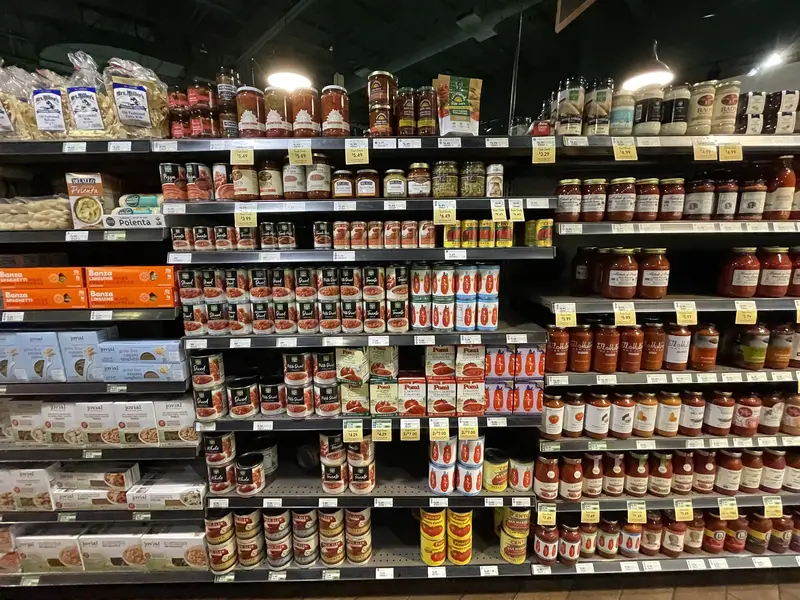
If you’ve ever stood in the canned tomato aisle and reached for that familiar red and white Cento can because you wanted the good stuff, the real Italian San Marzano tomatoes, you might want to sit with this one for a minute. A new lawsuit filed in California is accusing Cento Fine Foods of what the plaintiffs are calling straight up “tomato fraud.” And honestly, the details are wilder than you’d expect for a story about canned tomatoes.
What the Lawsuit Actually Says
On May 4, two California residents, Mike Andrich and Natalie Gianne, filed a proposed class action lawsuit against Cento Fine Foods in the U.S. District Court for the Northern District of California. The core accusation is that Cento has been falsely labeling its canned tomatoes as “Certified San Marzano” when, according to the plaintiffs, the tomatoes don’t actually meet the standards that phrase implies.
The lawsuit calls Cento “the primary culprit of this tomato fraud in the United States” and asks for at least $25 million in restitution. The two plaintiffs say they bought more than a dozen cans of Cento tomatoes over time, believing they were getting the real deal. They want $10,000 each as an incentive award on top of the class action payout.
Their argument boils down to this: When Cento puts “Certified San Marzano” on the label, it creates the impression that these tomatoes carry the official DOP (Protected Designation of Origin) stamp from the Italian consortium that actually controls the San Marzano name. But Cento’s tomatoes don’t carry that certification. And the plaintiffs say they never would have paid the premium price if they’d known.
Why San Marzano Tomatoes Are Such a Big Deal
If you’re not deep into the canned tomato world, you might be wondering why anyone would sue over this. Here’s the thing. San Marzano tomatoes aren’t just any tomato. The lawsuit quotes Martha Stewart’s website calling them “the Ferrari or Prada of canned tomato varieties.” That comparison is a little dramatic, sure, but it gets the point across. These are the tomatoes that serious home cooks and professional chefs reach for when they’re making sauce from scratch.
Real San Marzano tomatoes are a specific variety of plum tomato. They’re longer and more slender than what you’d normally see, with a pointed end, fewer seeds, thicker walls, and a sweet, balanced flavor that’s hard to replicate with other varieties. They’re grown in the Sarnese Nocerino area of Italy’s Campania region, in the shadow of Mount Vesuvius, where the volcanic soil gives the tomatoes their distinctive taste.
Under European Union rules, San Marzano tomatoes with the DOP label have to be grown in that specific region, harvested by hand, and processed according to strict protocols. It’s the same idea as Champagne only coming from the Champagne region of France, or real Parmesan cheese only coming from certain parts of Italy. You can’t just slap the name on anything and call it legit.
The Certification Problem at the Heart of It All
This is where it gets interesting. Cento doesn’t claim its tomatoes are certified by the official Italian consortium, Il Consorzio di Tutela del Pomodoro San Marzano DOP. Instead, Cento says its tomatoes are certified by an independent third party agency called Agri-Cert. On the cans and on its website, Cento uses the phrase “Certified San Marzano” and points to this third party certification as proof of quality.
The lawsuit’s argument is that using the word “certified” in combination with “San Marzano” on the label creates a misleading impression that these are DOP certified tomatoes, even though they’re not. And the plaintiffs go further, saying the tomatoes themselves don’t even have the taste, consistency, or physical characteristics that consumers associate with real San Marzano tomatoes.
Cento, for its part, has long maintained that its tomatoes are grown in the right region and processed using proper methods. The company even has an online tool called “Find My Field” that lets customers scan a lot code on their can to trace the exact field where the tomatoes were grown. They also claim to be the only U.S. company with a production facility in the Campania region.
The 2011 Incident That Made Things Messy
Here’s the part of the story that really raises eyebrows. According to the lawsuit, Cento was once a member of the official Italian consortium. But the company was removed in 2011 after Italian authorities found that an associated manager named Giuseppe Napoletano had been fraudulently labeling uncertified tomatoes as San Marzano. Investigators found that 144,000 cans “with the brand label Cento” were falsely labeled as “San Marzano DOP tomato” or “San Marzano DOP organic tomato.”
Napoletano and his father were found guilty by an Italian court in 2019. But the lawsuit claims Cento continued doing business with Napoletano even after the criminal fraud conviction. The suit alleges the company then shifted to its current approach, which is selling what the plaintiffs call “fake San Marzano tomatoes” with certification from “a captive certifier that will certify its substandard tomatoes for money.”
Cento has framed the departure from the consortium differently. The company has said it voluntarily stopped seeking certification from the consortium in the 2010s due to labeling requirements. So there are two very different versions of what happened, and that conflict is central to this case.
A Bigger Problem Than Just One Brand
The lawsuit touches on something that food industry insiders have been talking about for years. According to estimates from Italian agricultural organizations, the volume of canned tomatoes sold globally under the San Marzano name far exceeds what the actual growing region could possibly produce in a given year. That math doesn’t add up, and it strongly suggests widespread mislabeling across the industry.
The lawsuit also references a 2022 investigation by Italian journalists from a government-owned broadcaster. That investigation found that many San Marzano tomatoes sold in the United States would not meet European standards for sale under origin protection. And it identified Cento specifically as “the biggest offender.”
Think about it this way. If you walk into a grocery store and see a can that says “San Marzano” with some kind of certification seal on it, and it costs two or three times what regular canned tomatoes cost, you expect you’re paying for something specific. The lawsuit is essentially asking: what are people actually getting for that extra money?
Cento’s Response and Its Legal Track Record
Cento isn’t taking this lying down. A lawyer for the company told reporters that the lawsuit is “entirely without merit” and that the company would “defend this claim vigorously, including seeking prompt dismissal.”
And the company has some reason for confidence. A similar lawsuit was filed against Cento in New York back in 2019, making many of the same arguments. That case was dismissed by a federal judge in 2020. The judge wrote that a “reasonable consumer” was unlikely to seek out a specific “Consortium certified” San Marzano tomato over one that matched the same standards but was certified by a different body. That’s a pretty significant legal precedent for Cento to lean on.
But this new lawsuit in California might try to push the argument in a different direction, especially with the added details about the 2011 removal from the consortium and the criminal fraud conviction of the associated manager. Whether that’s enough to get a different result remains to be seen.
What This Means for Your Grocery Cart
The lawsuit looks to represent all U.S. citizens and residents who purchased Cento San Marzano tomatoes for personal or household use from January 1, 2016 to the present. That is a lot of people. Cento is one of the most widely available brands in the San Marzano category. You can find it at basically every major grocery chain in the country.
If you’re someone who buys San Marzano tomatoes regularly, this lawsuit is worth paying attention to. Not because you need to panic, but because it highlights how confusing the labeling around premium canned tomatoes can be. The word “certified” on a label doesn’t always mean what you think it means. And the San Marzano name itself, while protected in the EU, doesn’t have the same enforcement in the United States.
If you want to be absolutely sure you’re getting DOP certified San Marzano tomatoes, look for the actual DOP seal on the can, along with a reference to Il Consorzio di Tutela del Pomodoro San Marzano DOP. That’s the real stamp. Anything else, regardless of what the label says, is something different.
Whether Cento’s tomatoes are genuinely inferior or just certified by a different organization is something the courts will have to sort out. But the fact that this keeps coming up tells you something about the premium canned tomato market. Where there’s a big markup, there’s always going to be a question about whether the product behind the label is worth it. And right now, Cento has to answer that question one more time.

