
The FDA puts out safety alerts all the time. Most of them fly under the radar because, let’s be honest, nobody is refreshing the FDA website between meetings. But right now there are a few active warnings that are worth paying attention to, because they involve foods that a lot of Americans actually eat. We’re not talking about some obscure imported ingredient you’ve never heard of. We’re talking about cheese, oysters, and a spice that’s almost certainly in your pantry.
Here are three foods the FDA is currently telling people not to eat, along with the specific details you need to figure out if any of them are in your fridge or cabinet right now.
RAW FARM Brand Raw Cheddar Cheese
If you buy raw cheese, you need to read this carefully. The FDA’s message could not be more direct: do not eat, sell, or serve recalled RAW FARM brand Raw Cheddar Cheese. This isn’t a maybe. This isn’t a “use caution.” It’s a flat-out don’t eat it.
The recall covers two specific products. First, RAW FARM Raw Cheddar Simply Shredded Cheese in the original flavor, sold in 8-ounce bags with expiration dates on or before May 13, 2026. Second, 80-ounce blocks of RAW FARM Raw Cheddar Original Cheese with expiration dates on or before August 11, 2026. If either of those is sitting in your fridge, throw it away.
The problem is E. coli O157:H7, which is one of the nastier strains out there. Nine people across three states got sick: seven in California, one in Florida, and one in Texas. Illness onset dates ranged from September 2025 to February 2026, so this has been going on for a while. Three people ended up in the hospital. One person developed hemolytic uremic syndrome, which is a serious kidney condition. Over half the people who got sick were kids under five.
Of the eight people who were interviewed, every single one reported eating or being served raw dairy products. Of the seven who remembered the brand, all seven said RAW FARM. That’s a 100% hit rate. Whole genome sequencing confirmed that all the E. coli samples were closely related, pointing to a single common source. The FDA has launched an onsite inspection at RAW FARM, LLC in Fresno, California.
This is a good moment to mention something broader. Raw milk and raw dairy products have been gaining popularity in recent years, partly fueled by social media and partly by the MAHA movement. The FDA’s position on this hasn’t changed. The agency strongly warns against drinking raw milk or eating products made from it. Pasteurization exists for a reason. It kills germs like Salmonella, E. coli, Listeria, and Campylobacter. The CDC has said raw dairy products are 840 times more likely to cause foodborne illness compared to pasteurized ones. That number alone should give anyone pause.
Whether you’re a raw milk believer or not, the math on this particular cheese is clear. Nine sick, three hospitalized, and 100% of those who knew the brand named RAW FARM. Check your fridge.
Certain Raw Oysters From British Columbia
Oyster lovers, this one’s for you. The FDA is advising restaurants, retailers, and consumers not to eat certain raw oysters harvested from British Columbia, Canada, specifically from harvest area BC 17-20, which is Nanoose Bay, under the license number CLF #1401656. The oysters were harvested by Stellar Bay Shellfish Ltd. between December 22, 2025 and February 4, 2026.
The affected brands include Kusshi, Chrome Point, Stellar Bay, and Stellar Bay Gold. If you’ve ordered oysters at a restaurant in the past couple of months, you might want to ask where they came from. These oysters were distributed to restaurants and retailers in at least ten states: California, Colorado, Florida, Hawaii, Illinois, Maryland, Nevada, New York, Pennsylvania, and Washington. They may have ended up in other states too.
The issue here is norovirus. On February 3, 2026, the Washington Department of Public Health tipped off the FDA about a norovirus-like illness outbreak linked to Stellar Bay oysters. Two days later, on February 5, California’s health department followed up with its own recall notice. Canada also issued a recall for oysters from the same harvest area.
After the initial reports came in, more illnesses popped up connected to oysters from additional harvest dates in January 2026. The FDA’s response was to broaden the advisory to cover all oysters from that specific harvest area during the entire December 22 to February 4 window.
If you’re someone who eats raw oysters regularly, especially at restaurants in the states listed above, it’s worth asking your server where their oysters are sourced from. Restaurants that received these products are supposed to dispose of them, but the FDA issued this advisory precisely because they want consumers to be aware too. If you have any of these oysters at home (some people do order oysters for home consumption), toss them.
Multiple Brands of Ground Cinnamon
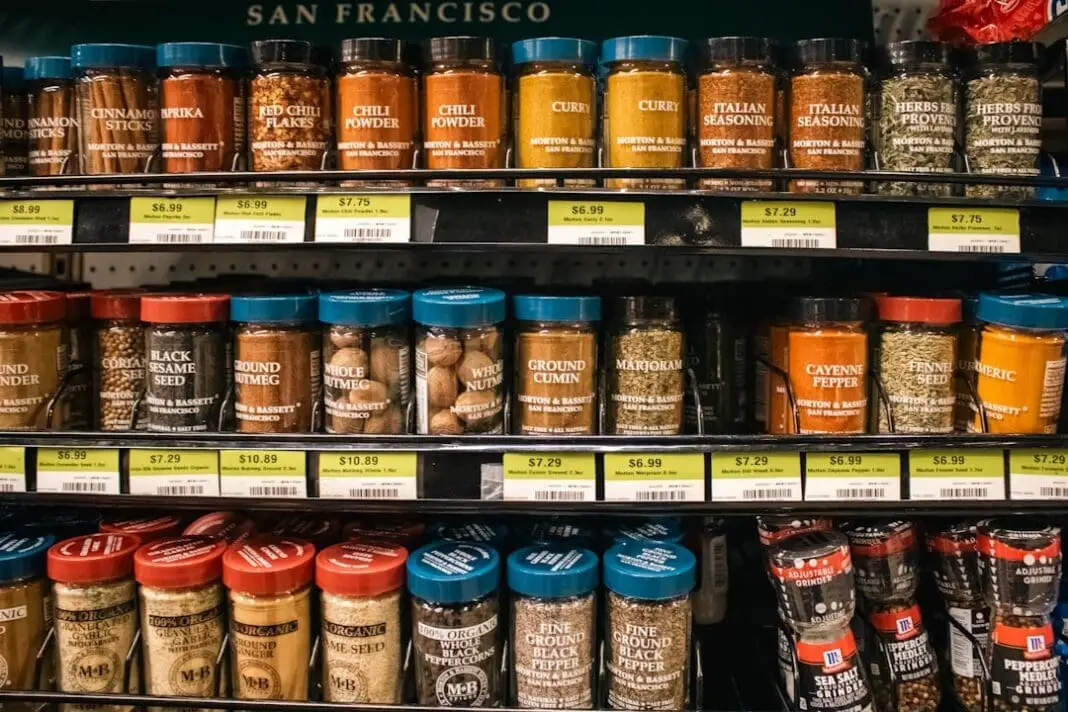
This is the one that probably affects the most people, because almost everyone has a jar of ground cinnamon somewhere in the kitchen. The FDA has issued a public health alert covering 18 brands of ground cinnamon that tested positive for elevated levels of lead. The FDA’s advice is simple: do not eat, sell, or serve these products. Throw them away.
The alert has been updated multiple times since it first came out in 2024. As of the most recent update, the brands flagged include El Chilar, Marcum, SWAD, Supreme Tradition, Compania Indillor Orientale, ALB Flavor, Shahzada, Spice Class, La Frontera, Roshni Foods, HAETAE, Durra, Wise Wife, Jiva Organics, DEVI, and BaiLiFeng. The last two (DEVI and BaiLiFeng) were added on October 31, 2025. Of these 18 brands, 12 have issued official recall announcements.
Testing by the New York State Department of Agriculture and Markets, confirmed by the FDA, found lead concentrations in these products ranging from about 2.03 to 7.68 parts per million. For reference, the FDA’s limit for bottled water is 5 ppm. One flagged product came in at 20 ppm. The FDA considers there to be no known safe level of lead exposure, which is why they’re not playing around with this one.
Here’s the thing that makes this different from the cheese or the oysters: spices have a long shelf life. That jar of cinnamon in the back of your cabinet could have been sitting there for a year or more. You might have bought one of these brands six months ago and forgotten about it. The FDA is specifically urging people to go check their homes and look for these products. Don’t just assume you’re fine because you haven’t bought cinnamon recently.
This is especially important if you have young kids in the house. The FDA took the extra step of issuing this alert because ground cinnamon is commonly used in foods that babies and young children eat. Think cinnamon in oatmeal, applesauce, baked goods, toast. It’s everywhere in a typical American kitchen.
No illnesses have been specifically reported from these ground cinnamon products (as opposed to the separate 2023 applesauce pouch situation, which was a different issue entirely). But the FDA says prolonged exposure “may be unsafe,” and given the lead levels found, they’re not waiting around for people to get sick before sounding the alarm.
What You Should Actually Do
All three of these FDA warnings are active right now. They’re not hypothetical risks or old news that got recycled. These are current advisories telling you to throw specific products away.
For the RAW FARM cheese, check your fridge for the shredded bags or the 80-ounce blocks. Look at the expiration dates. If they fall within the recalled range, get rid of it.
For the oysters, if you recently ate raw oysters at a restaurant in California, Colorado, Florida, Hawaii, Illinois, Maryland, Nevada, New York, Pennsylvania, or Washington, and you started feeling sick shortly after, that’s information worth bringing up with a doctor. If you have any of these oysters in your possession, discard them.
For the cinnamon, go to your spice cabinet and look at the brand name on every jar or bag of ground cinnamon you own. Cross-reference it against the list of 18 brands above. If it matches, throw it out. If you can’t tell or the label is hard to read, the FDA’s alerts page has the full list with specific product details.
The common thread across all three of these warnings is pretty simple. The FDA doesn’t issue “do not eat” advisories lightly. When they use that specific language, they mean it. These aren’t suggestions or gentle nudges. They’re telling you, in the clearest terms a government agency can muster, to stop eating these things and get them out of your house.
It takes about five minutes to check your fridge and your spice cabinet. That seems like a reasonable trade.

