Home Blog

Steak Myths That Are Ruining Your Dinner Every Time

0

You’ve been lied to about steak. Not by anyone with bad intentions, necessarily — just by decades of misinformation passed down from dads at backyard grills, cooking shows from the ’90s, and that one friend who swears they know everything about meat because they once watched a Gordon Ramsay video. The truth is, a lot of what you think you know about cooking steak is flat-out wrong. And it’s costing you perfectly good dinners.

Let’s go through the biggest offenders one by one. Some of these are going to sting.

Searing Does Not Seal In Juices

This is the granddaddy of all steak myths, and it just won’t die. A German chemist named Justus von Liebig started this rumor back in 1847. Scientists debunked it by the early 1900s. That’s over a hundred years of people ignoring the facts, and somehow your uncle Todd is still out there telling everyone at the cookout that you “gotta sear it to lock in the juices.”

Here’s what actually happens. Meat is roughly 70% water, with most of that moisture trapped inside thousands of thin muscle fibers. When you heat meat, those fibers contract and squeeze water out. Nothing — not searing, not wishing really hard — can stop that process. In fact, searing causes more moisture loss at the surface, not less. The crusty exterior you see after a hard sear? That forms precisely because the surface has dried out from the intense heat.

Alton Brown tested this on camera in 2008. He seared one steak, left another unseared, then cooked both in the oven to the same internal temperature. The unseared steak lost 13% of its weight. The seared one? It lost 19%. Kenji López-Alt ran a similar experiment and found seared-first steaks lost about 1.68% more juices. Cook’s Illustrated repeated the test with eight ribeyes and called the whole concept “nothing but an old wives’ tale.”

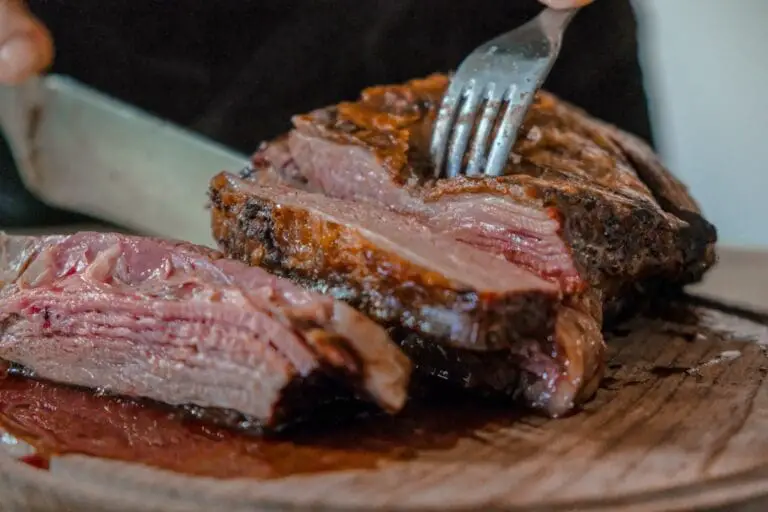
Now — should you still sear your steak? Absolutely. Just not for moisture. Sear it for the Maillard reaction, which is the chemical process between amino acids and sugars that creates that brown, deeply flavorful crust. That’s the real reason searing matters. It’s about taste, not juice.

That Red Liquid Is Not Blood

If you’ve ever pushed a rare steak away because the red liquid freaked you out, I have good news: you weren’t looking at blood. Not even a little. All blood is drained from the animal during butchering through a process called exsanguination. By the time that steak hits the shelf at your grocery store, there’s no actual blood left in it.

What you’re seeing is myoglobin mixed with water. Myoglobin is an iron-rich protein found in muscle tissue that stores oxygen. It’s what gives beef its red color in the first place. Beef has a lot more myoglobin than pork or chicken, which is why it looks so much darker and redder.

Here’s a neat detail: when myoglobin is exposed to oxygen, it changes color. In vacuum-sealed packaging where there’s no air, meat can look almost purple. Crack the package open and it blooms to bright red. Cook it, and it shifts from red to pink to gray as the temperature climbs. None of these color changes have anything to do with blood. So stop calling it that. Order the medium-rare in peace.

Bringing Steak to Room Temperature Is a Waste of Time

Every recipe blog in existence tells you to pull your steak out of the fridge 30 to 60 minutes before cooking. Some fancy Michelin-starred chefs swear by it. But the actual science says it’s mostly pointless.

López-Alt tested this directly. After 20 minutes on the counter, the center of his steak had risen by just 1.8°F. After a full two hours sitting out, it was only 13% closer to the target temperature for medium-rare. Two hours of waiting for basically nothing.

Here’s where it gets interesting: that temperature gap between a cold steak and a screaming-hot pan can actually work in your favor. A cold steak gives you more time to build a beautiful sear on the outside before the inside overcooks. A room-temperature steak heats through faster, which means you could end up with a tough, overcooked piece of meat before you get a decent crust. YouTuber Helen Rennie tested this scientifically and confirmed it. Cook’s Illustrated agreed. Chef Ashley Lonsdale from The Takeout admits she pulls her proteins out early out of habit, but she also says going straight from the fridge is “not a deal breaker.”

The Poke Test Is Basically Useless

You know this one. Touch your thumb to your index finger, then poke the fleshy part of your palm. That’s supposedly what rare feels like. Touch your middle finger — medium-rare. Ring finger — medium. And so on. It’s been in cooking magazines and TV shows for years.

It’s also about as reliable as a mood ring. A temperature difference of just five degrees can mean the difference between a perfect medium-rare and an overcooked disappointment, and there is no way your finger can detect that. People’s hands are different sizes. Steaks have different thicknesses. The whole method is guesswork dressed up as skill.

Get a digital instant-read thermometer. Not a cheap dial thermometer either — those can be off by as much as 50°F. A good digital thermometer takes the mystery out of it completely, and they cost like $15. That’s cheaper than ruining a single good ribeye.

You Should Actually Flip Your Steak More Than Once

“Only flip it once!” How many times have you heard that? It sounds authoritative. It sounds like something a pro would say. It’s wrong.

Flipping your steak every 30 seconds or so actually gives you a more evenly cooked result. When you flip frequently, you’re preventing one side from absorbing or losing too much heat at once, keeping the internal temperature more consistent. Multiple flipping can speed up cooking by nearly 30%, and it reduces the risk of burning the exterior before the center is done.

There’s one more benefit most people don’t think about: you won’t get those curled edges that happen when meat fibers contract hard on one side. Your steak stays flat and cooks more uniformly. The only real trade-off? You lose those pretty crosshatch grill marks. If Instagram clout matters more to you than an evenly cooked steak, then sure, flip once. Everyone else, flip away.

Salting Early Won’t Ruin Your Steak — But Salting at the Wrong Time Will

The myth goes like this: don’t salt your steak before cooking because it draws out moisture and makes it dry and tough. It’s half right and completely misleading.

Here’s what actually happens. Salt is a desiccant — it pulls water from the meat. That water mixes with the salt and creates a brine on the surface. If you give it enough time (at least an hour), that brine gets reabsorbed back into the steak, resulting in meat that’s better seasoned all the way through and actually juicier.

The worst possible thing you can do is salt your steak 10 to 15 minutes before cooking. That’s the exact window when pulled-out moisture is still sitting on the surface as a puddle. Throw that wet steak on a hot pan and you’re steaming it instead of searing it. You’ll never get a good crust.

The sweet spot: salt it the night before and leave it uncovered in the fridge. The salt absorbs fully, and the exterior dries out — which sets you up for an incredible sear. Oh, and use kosher salt, not iodized table salt. The big, coarse grains stick to the meat better and won’t leave a metallic taste.

Bone-In Doesn’t Actually Taste Better

This one will start arguments at steakhouses, but it’s true. The idea is that flavor from the bone and marrow seeps into the meat during cooking, making bone-in cuts juicier and more flavorful. Chef Laurent Tourondel, who has spent his career cooking steak at high-end restaurants, puts it bluntly. He’s done blind taste tests: one bone-in, one boneless, cooked the same way. “You tell me the difference,” he says. “There’s no difference.”

The reason is pretty simple. Beef bones are thick and surrounded by dense collagen. During the relatively short cooking time of a steak, almost none of that flavor can penetrate into the meat. That’s why plenty of high-profile steak restaurants feature boneless cuts as their flagship items. You’re paying a premium for bone weight you can’t eat and flavor transfer that doesn’t happen.

You Don’t Have to Buy the Expensive Cut

There’s a persistent idea that filet mignon and ribeye are the only cuts worth buying and everything else is garbage. That’s a myth that benefits exactly one group of people: the ones selling you expensive steaks.

Chef Hosea Rosenberg, owner of Blackbelly, is a fan of the Denver cut — a steak found on the chuck that’s well-marbled, has no connective tissue or fat caps to deal with, and costs about 25% of the price of a premium cut. Grill it, sear it, roast it — it hits medium-rare beautifully. And chef Tourondel isn’t even that impressed by wagyu, calling it too fatty. He says “amazing prime beef” can be a better steak at better value.

Piercing Your Steak With a Fork Won’t Drain It

This is one of those myths that sounds logical enough that nobody questions it. The idea is that if you stab a steak with a fork to flip it, you’ll puncture the muscle fibers and all the juices will run out. So everyone reaches for tongs instead, fumbling around trying to grab a slippery piece of meat off a hot grill.

Cook’s Illustrated actually tested this. They cooked two identical steaks — one flipped with tongs, one pierced with a fork. They weighed both afterward. Same moisture content. The puncture holes are so tiny relative to the size of the steak that they don’t damage enough fibers to matter. Cooking time and temperature are what determine juiciness, not whether you poked it a couple times.

So there it is. Nine pieces of steak “wisdom” that have been steering you wrong, some of them for literal centuries. The good news is that cooking a great steak is actually simpler than all these rules make it seem. Salt it early, get a good sear for flavor, use a thermometer, and stop worrying so much. The steak will thank you.

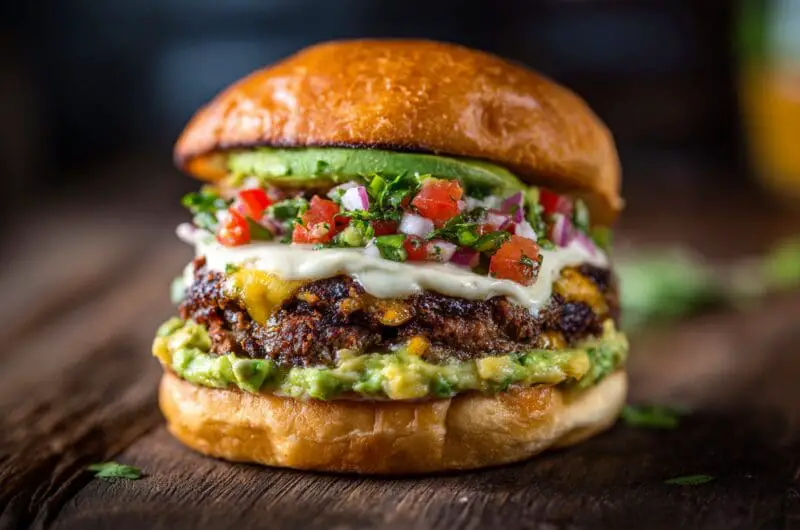
How To Make a Mexican Smash Burger at Home

0

Somewhere between a taco truck and a classic American diner, something really good is happening. The Mexican smash burger is showing up everywhere — pop-up kitchens, fast-casual chains, mom-and-pop shops — and once you try one, a regular cheeseburger starts to feel a little boring. I’m not talking about a regular burger with a slice of pepper jack thrown on top. I’m talking about a thin, crispy-edged smash patty loaded with chipotle mayo, fresh pico de gallo, smashed avocado, and that salty, stringy pull of melted Oaxaca cheese. It’s the kind of thing that makes you wonder why nobody thought of this sooner.

The good news? You don’t need to live near one of these restaurants to eat one. This is a dead-simple burger to make at home, and I’m going to walk you through exactly how to do it — plus all the little details that separate a great one from a forgettable one.

Why This Burger Works So Well

The smash burger technique is the foundation here, and it matters. You take a ball of ground beef, press it hard against a screaming hot surface, and let the Maillard reaction do its thing. That’s the scientific name for the caramelization that happens when proteins and sugars in the meat hit intense heat. The result is a thin patty with a crispy crust that’s almost lacy around the edges, while the inside stays juicy. It’s the reason smash burgers have seen a 47% year-over-year growth in social media discussions. People can’t stop talking about them because they genuinely taste different from a thick pub-style patty.

Now layer Mexican flavors on top of that, and you’ve got something special. The richness of the beef gets cut by bright lime juice and fresh cilantro. The heat from jalapeños and chipotle plays against cool avocado. The Oaxaca cheese melts into a stretchy blanket over the patty. Every bite has something going on — salty, spicy, creamy, crunchy, tangy — and nothing feels random. It all fits together like it was always supposed to be this way.

The Patty: Keep It Simple and Thin

Use 80/20 ground beef from the grocery store. That’s 80% lean, 20% fat. Don’t go leaner than that — you need the fat for flavor and to keep the patty from turning into a dry hockey puck. A 90/10 mix will work in a pinch, but you’ll notice the difference. Portion the beef into balls about 2 to 2.5 ounces each. You want two patties per burger, so that’s roughly 4 to 5 ounces of beef total per serving.

Don’t season the balls before smashing. Just sprinkle salt and pepper on top right after you press them down. And when I say press, I mean it — use a sturdy flat spatula or a burger press, and push that ball flat on a ripping hot cast iron skillet or flat griddle. You want the surface at least 400°F. If it’s not smoking a little, it’s not hot enough. Let each patty cook for about 2 to 3 minutes without touching it. You want that crust to develop. Then flip, immediately lay a slice of Oaxaca cheese on top, and cook for another minute or so until the cheese is melted and droopy.

Chipotle Mayo Is Non-Negotiable

This is the sauce that ties everything together, and it takes about 90 seconds to make. Grab a can of chipotles in adobo sauce — you can find these in the Mexican food aisle at Walmart, Kroger, Target, basically anywhere. You’re going to use the adobo sauce from the can, not the whole peppers. Spoon out about 2 tablespoons of the sauce and mix it into ½ cup of regular mayonnaise. Add a squeeze of fresh lime juice and a tiny pinch of salt. Stir it up. Done.

The adobo sauce gives you that smoky, slightly sweet heat without overwhelming the burger. If you use the actual chipotle peppers, you’ll get chunks of pepper and uneven flavor. The sauce is where it’s at. Store whatever’s left from the can in a small jar in the fridge — it lasts for weeks and you’ll find reasons to use it on everything from eggs to grilled chicken.

Fresh Pico de Gallo Makes All the Difference

Please don’t use jarred salsa on this burger. I know it’s tempting because it’s faster, but jarred salsa is watery and it’ll turn your bun into a soggy mess. Pico de gallo takes five minutes and it adds a freshness that nothing from a jar can match. Dice up 2 Roma tomatoes, a quarter of a white onion, a small handful of fresh cilantro, and half a jalapeño (remove the seeds if you don’t want too much heat). Squeeze half a lime over it, add a pinch of salt, and toss it together. Let it sit while you cook the burgers so the flavors get to know each other.

The key with pico on a burger is to drain it slightly before spooning it on. Just tilt the bowl and let the excess liquid run off. You want the chunks, not the juice. That way you get the flavor and the crunch without the sogginess.

The Bun Situation

Brioche has been the default burger bun for a while, and it works fine here. But if you can find challah buns, give them a shot. They’re denser and eggier, which means they hold up better under all those toppings without falling apart in your hands. Some burger experts say operators are actively moving from brioche to challah in 2025 for exactly this reason.

Whatever bun you use, toast it. Butter the cut sides, put them face down on the hot skillet for about 30 seconds until golden brown. This creates a barrier that keeps the juices and sauces from soaking through immediately. Skipping this step is one of the most common mistakes people make with loaded burgers.

Assembly Order Matters

Here’s how to stack this so it doesn’t become a sloppy disaster. Bottom bun first, then a leaf of romaine lettuce (this acts as a moisture barrier). Next, your two smash patties with melted Oaxaca cheese. Then a generous spoonful of chipotle mayo directly on the hot cheese so it gets a little melty. After that, a couple tablespoons of smashed avocado or guacamole. Top it with a spoonful of drained pico de gallo. Top bun, pressed down gently.

The lettuce on the bottom isn’t just for show — it keeps the bun from getting soggy. The chipotle mayo goes on the meat, not the bun, so you taste it with every bite of beef. And the avocado acts as a creamy buffer between the warm patty and the cool, fresh pico on top. There’s a logic to it.

Variations Worth Trying

Once you’ve nailed the basic version, there are some killer ways to mix it up. One that’s been blowing up at restaurants is the birria burger — PINCHO, a fast-casual chain, introduced one with a beef patty topped with 16-hour braised beef birria and a side of consommé for dipping. You could approximate this at home by making a simple birria braise over the weekend and spooning it over your smash patties.

In Dallas, a mom-and-pop shop called Pacheco Taco n Burger does all their burgers smash-style with Mexican-inspired toppings like chorizo, jalapeños, and creamy chipotle sauce. Adding a handful of crumbled cooked chorizo on top of your patties is an easy upgrade that adds smoky, spicy pork flavor without much extra work.

Other ideas: swap Oaxaca cheese for pepper jack or queso fresco. Add candied jalapeños (sometimes called cowboy candy) for a sweet-hot kick. Throw on some crispy tortilla strips for crunch. Or go the Oaxacan route with a drizzle of mole negro and crumbled queso — that’s where some high-end spots are headed, and it’s easier to pull off at home than you’d think. A jar of mole paste from the international aisle at your grocery store, thinned with a little chicken broth, gets you 90% of the way there.

Common Mistakes to Avoid

The biggest one: not getting your cooking surface hot enough. If the skillet is only medium-hot, you won’t get that crust. You’ll get a steamed, gray patty that tastes like cafeteria food. Crank it up. Use a cast iron skillet or a flat griddle — nonstick pans can’t handle the heat you need here.

Second mistake: overworking the beef. Don’t knead it or mix anything into it. Just portion it into loose balls and smash. The less you handle it, the more tender the patty. Third: using too much avocado. I know, avocado is great. But if you put a thick layer on a burger with this many toppings, it slides everywhere and the whole thing falls apart. A thin smear — maybe 2 tablespoons worth — is plenty. And fourth: forgetting acid. The lime juice in the pico, in the chipotle mayo, and a little squeezed on the avocado is what keeps this burger from tasting heavy. Without it, you’ve just got a pile of rich stuff on bread. The lime ties it all together.

This is a burger trend that isn’t going anywhere, and for good reason. It’s not gimmicky. It’s two great food traditions crashing into each other and making something better than either one alone. Make it this weekend. You’ll see what I mean.

Mexican Smash Burger with Chipotle Mayo and Pico de Gallo

Course: DinnerCuisine: Mexican, American
Servings

4

burgers
Prep time

15

minutes
Cooking time

10

minutes
Calories

560

kcal

Crispy double smash patties loaded with smoky chipotle mayo, fresh pico de gallo, smashed avocado, and melty Oaxaca cheese — the Mexican burger everyone’s obsessed with.

Ingredients

  • 1 lb 80/20 ground beef, divided into 8 balls (about 2 oz each)

  • 8 slices Oaxaca cheese (or pepper jack)

  • 4 brioche or challah buns, split and buttered

  • ½ cup mayonnaise

  • 2 tablespoons adobo sauce (from a can of chipotles in adobo)

  • 2 Roma tomatoes, diced; ¼ white onion, diced; ½ jalapeño, minced; small handful cilantro, chopped; juice of 1 lime; salt to taste (for pico de gallo)

  • 1 ripe avocado

  • 4 leaves romaine lettuce

  • Salt and black pepper to taste

Directions

  • Make the chipotle mayo by stirring together ½ cup mayonnaise, 2 tablespoons adobo sauce, and a squeeze of fresh lime juice in a small bowl. Add a pinch of salt, taste, and adjust. Set aside in the fridge.
  • Make the pico de gallo by combining diced Roma tomatoes, white onion, minced jalapeño, chopped cilantro, lime juice, and a pinch of salt in a bowl. Toss everything together and let it sit at room temperature while you cook the burgers so the flavors meld.
  • Smash the avocado in a small bowl with a fork until mostly smooth but still slightly chunky. Add a squeeze of lime juice and a pinch of salt to prevent browning and add brightness.
  • Heat a cast iron skillet or flat griddle over high heat until it’s ripping hot — you should see a faint wisp of smoke. While it heats, portion the ground beef into 8 loose balls, about 2 ounces each. Don’t pack them tightly.
  • Place 2 to 4 beef balls on the hot surface (don’t overcrowd) and immediately press each one flat with a sturdy spatula or burger press. Push hard — you want them thin. Season the tops with salt and pepper right away and let them cook undisturbed for 2 to 3 minutes until the edges are deeply browned and crispy.
  • Flip each patty and immediately place a slice of Oaxaca cheese on top. Cook for another 60 to 90 seconds until the cheese is melted and the bottom is crispy. Remove to a plate and repeat with remaining beef balls.
  • While the last patties cook, butter the cut sides of each bun and toast them face down on the hot skillet for about 30 seconds until golden brown. This creates a barrier against the sauces and keeps the bun from getting soggy.
  • Assemble each burger: place a romaine leaf on the bottom bun, then stack two cheesy smash patties on top. Spoon chipotle mayo over the hot cheese, add about 2 tablespoons of smashed avocado, and finish with a spoonful of drained pico de gallo. Press the top bun down gently and serve immediately.

Notes

  • If you can’t find Oaxaca cheese at your grocery store, sliced pepper jack or Monterey Jack both melt well and work as substitutes. Queso fresco is great for crumbling on top but won’t give you that same melty pull.
  • Drain your pico de gallo by tilting the bowl and letting excess liquid run off before spooning it onto the burger. The chunks are what you want — the extra juice will make your bun fall apart.
  • For extra crunch, add a small handful of crushed tortilla chips or crispy tortilla strips on top of the avocado layer before adding the pico. It adds a texture that takes this burger over the top.

Frequently Asked Questions

Q: Can I make these on a regular grill instead of a cast iron skillet?
A: You can, but you won’t get the same results. A flat, solid surface is what gives smash burgers their signature crispy crust. On a grill with grates, the beef falls through or doesn’t get enough flat contact to caramelize properly. If grilling is your only option, use a cast iron griddle plate that sits on top of the grill grates.

Q: Can I use ground turkey or chicken instead of beef?
A: You can, but the texture and flavor will be different. Ground turkey and chicken are leaner, so you won’t get as much of that crispy caramelized crust. If you go that route, stick with a 90/10 or 93/7 fat ratio for the juiciest results — anything leaner like 98/2 will give you a dry, tough patty.

Q: How do I keep the burgers from sticking when I smash them?
A: Make sure the skillet is very hot before adding the beef, and don’t use any oil on the meat itself — the fat in the 80/20 beef is enough. If they stick when you try to flip, they’re not done yet. Give them another 30 seconds and they’ll release on their own once the crust forms.

Q: Can I make the chipotle mayo and pico de gallo ahead of time?
A: Absolutely. The chipotle mayo will keep in the fridge for up to a week and actually tastes better after a few hours as the flavors come together. The pico de gallo is best made the same day, but you can prep it up to 4 hours ahead. Just store it in the fridge and drain off any extra liquid before serving.

Foods You Should Never Put In Your Blender Unless You Want To Ruin It

0

Your blender probably cost you somewhere between fifty and four hundred dollars. And most of us are slowly destroying it — one bad smoothie decision at a time. I’m not talking about forgetting to put the lid on (though we’ve all been there). I’m talking about the stuff we casually toss in without thinking, the ingredients that dull blades, burn out motors, and occasionally redecorate your ceiling with soup.

Some of these will seem obvious once you hear them. Others might genuinely surprise you. Either way, your blender will thank you for reading this.

Hot Liquids — The One That Blows Lids Off (Literally)

This is the big one, and it’s the one people keep learning the hard way. When you pour boiling or near-boiling liquid into a sealed blender and hit the button, the liquid creates steam. That steam has nowhere to go. Pressure builds fast inside that sealed container, and then — pop. The lid launches off, and you’ve got scalding liquid on the ceiling, the walls, the counter, and possibly you.

One home cook described pouring piping-hot butternut squash soup into a standard blender and sealing the lid tight. Within seconds, the pressure blew the lid clean off. Soup hit the ceiling, the walls, and her arm. That’s not a freak accident — it’s physics. Steam expands. A sealed blender is basically a pressure bomb waiting to go off.

If you absolutely must blend something hot, let it cool for at least five to ten minutes first. Fill the blender no more than halfway. Remove the center stopper from the lid so steam can vent, and hold a clean kitchen towel over the opening while you blend. Or just do yourself a favor and buy a $30 immersion blender. Stick it right in the pot. Problem solved forever.

Potatoes Turn Into Wallpaper Paste

Every few months, someone on the internet decides they’re going to make mashed potatoes in their blender because it seems faster and easier. It is faster. The result is also inedible. Potatoes are loaded with starch, and when you blend them at high speed, the blades release way too much of it. What you get isn’t creamy mashed potatoes — it’s a gluey, thick mass that multiple people have compared to wallpaper paste.

The texture is genuinely awful. Sticky, dense, and weirdly elastic. A potato masher takes like three minutes and gives you actual mashed potatoes. A ricer gives you fancy restaurant-style mashed potatoes. A blender gives you something that belongs in a hardware store. Don’t do it.

Coffee Beans Will Wreck Your Blades

Your blender is not a coffee grinder. I know they kind of look like they do the same thing — spin blades really fast to chop stuff up — but a coffee grinder is specifically designed to handle extremely hard, dense beans and produce a consistent grind. A blender is not.

When you throw whole coffee beans into a standard blender, you get an uneven mess — some fine powder, some big chunks, and blades that are noticeably duller afterward. Do it regularly, and you’ll shorten the life of those blades fast. The same goes for cocoa beans and whole nuts. They’re just too hard.

If you’re in a pinch and literally have no other option, pulse small amounts very slowly. But honestly, a decent burr coffee grinder costs twenty-five bucks. Your morning coffee and your blender will both be better for it.

Frozen Foods Can Rip Your Blender Apart

Frozen fruit in smoothies is great — when handled correctly. The problem is when people throw big, rock-hard frozen chunks straight from the freezer into the blender without any liquid and expect magic. What they get instead is a jammed blade, a motor that sounds like it’s dying, and sometimes actual mechanical damage.

The team at one tech review site described trying to blend frozen spinach and having it rip away the rubber grips that rotate the blades. The part had to be completely replaced. That’s not a cheap fix, and it happened from one blending session.

The fix is simple. Let frozen fruit sit out for five or ten minutes, or toss it in a ziplock bag and run it under warm water. Add plenty of liquid before blending. Your smoothie will actually blend smoother, and your blender won’t sound like a garbage disposal eating a spoon.

Ice Without Liquid Is a Motor Killer

A lot of blenders advertise ice-crushing ability, and some of them — the Vitamix, the Blendtec — can actually handle it. But most standard blenders? Not so much. And even the ones that can crush ice need liquid in there to make it work.

Blending ice cubes without any water or juice to cushion them dulls the blades and forces the motor to work way harder than it should. Over time, this leads to overheating and eventual burnout. Use crushed ice if you can, always add liquid, and give the motor breaks between pulses. Your frozen margaritas aren’t worth a $300 replacement blender.

Raw Broccoli Stalks and Fibrous Vegetables

Fibrous vegetables sound like they’d blend fine — they’re not hard like coffee beans, and they’re not hot like soup. But broccoli stalks, kale stems, and similar tough veggies create a specific problem that’s more annoying than dangerous. The fibers wrap around the blades instead of getting chopped. You end up with stringy, uneven results that look like someone put a mop in a blender.

Private chef Rachel Muse has pointed out that even with newer high-speed blenders, high-fiber foods just don’t do well. Raw broccoli stalks turn into strings. Kale stems wrap around the blade assembly. The motor has to work overtime, and the result still isn’t smooth.

If you want these in a smoothie or soup, chop them small, remove the thickest stems, and add plenty of liquid. Or better yet, lightly steam them first to break down some of that fiber before blending.

Dried Fruit and Sun-Dried Tomatoes

Dried fruit is basically leather. Raisins, dried apricots, sun-dried tomatoes — they’re all dehydrated and chewy, and blenders hate them. The tough texture resists the blades, jams the blade assembly, and leaves behind a sticky, gummy residue that’s a nightmare to clean off the blades and the jar walls.

Ali Maffucci, founder of Inspiralized, has specifically warned against blending sun-dried tomatoes unless you have something like a Vitamix. Their leathery texture will jam up a regular blender fast. Her workaround is to soak them in water first to soften them up, which actually works great. Same applies to any dried fruit — a 15-minute soak in warm water before blending makes all the difference.

Dough and Thick Batters

I don’t know who thought making bread dough in a blender was a good idea, but enough people have tried it that experts keep warning against it. Dense, thick mixtures like dough prevent the blades from spinning efficiently. The motor has to fight for every rotation, it overheats quickly, and you could actually burn out the motor entirely. In extreme cases, this has even been linked to small electrical fires.

Even if your blender survives the ordeal, the dough itself will be terrible — tough, poorly mixed, with floury lumps throughout. A stand mixer with a dough hook exists for this exact reason. Even kneading by hand for ten minutes will give you better results than any blender ever could.

Hard Cheeses Like Parmesan

Grating Parmesan is tedious. I get the temptation to just chunk it up and let the blender do the work. But hard cheeses are dense enough to jam blades and wear them down fast. Big pieces of Parmesan or aged cheddar bounce around and strain the motor without ever getting evenly processed. You’ll end up with some powder and some chunks, which isn’t useful for anything.

A food processor handles hard cheese much better — the wider bowl and different blade design actually shred it evenly. Or just use a box grater or microplane like your grandmother did. It takes two minutes and doesn’t risk destroying an expensive appliance.

Garlic, Chilies, and Staining Ingredients

This one isn’t about breaking your blender — it’s about ruining it in a slower, more annoying way. Strong-flavored ingredients like raw garlic and hot chilies can actually penetrate the rubber gasket seal of your blender. That means your next morning smoothie might have a faint garlic or chili flavor. Not ideal.

On top of that, ingredients like tomatoes, turmeric, and beets will permanently stain plastic blender jars. You can blend these things — there’s nothing mechanically wrong with it — but if you care about your blender looking clean, be ready for extra scrubbing or just accept that your blender jar is now permanently orange.

Raw Meat With Bones

Some recipes call for blending chicken or fish to make meatballs, fish cakes, or certain Asian-style preparations. That’s fine — a blender can handle boneless meat, though the texture won’t win any awards (chef Terri Rogers compares it to baby food). The real problem is when bones are involved.

Bones shatter in a blender. They don’t grind down neatly — they break into fragments that are nearly impossible to find and remove once they’re mixed into the food. If you’re blending any kind of meat, double and triple check that every single bone is out first. Missing even a small one creates a serious problem that no amount of straining will fix.

The running theme here is pretty simple: your blender is good at blending soft or liquid things at room temperature. The further you get from that — harder, hotter, drier, denser — the more trouble you’re inviting. Treat your blender like what it is, and it’ll last you years. Treat it like a garbage disposal, and you’ll be shopping for a new one by next month.

Why Firefighters Say Your Kitchen Towel Placement Is a Disaster Waiting to Happen

0

Go look at your oven right now. There’s a decent chance you’ve got a dish towel hanging from the handle. Maybe it matches your kitchen. Maybe it’s the same one from three days ago, a little stiff, maybe a little greasy. You tossed it there without thinking because that’s just where the towel goes, right? Everyone does it. Your mom did it. It feels like the most natural thing in the world.

Here’s the thing — it’s one of the dumbest habits in any American kitchen, and almost nobody talks about it. Not because it’s some minor annoyance, but because it creates problems that range from ruined dinners to actual house fires. Let me walk you through exactly why that towel needs a new home, and where to put it instead.

There Are Nearly 500 Kitchen Fires Every Single Day in the U.S.

This isn’t an exaggeration. According to the National Fire Protection Association, cooking is the number one cause of home fires in this country. Between 2017 and 2021, roughly 158,000 home fires started from cooking. That breaks down to about 470 fires per day — roughly one every three minutes. Two-thirds of those fires begin at the moment heat meets something flammable. That something is often a towel, an oven mitt, or a paper towel sitting too close to the action.

Most people imagine kitchen fires starting from some dramatic grease explosion. Sometimes, sure. But a huge number start from the boring stuff. A cotton dish towel slowly warming up. A little grease absorbed into the fabric over a few days of cooking. The oven running at 425°F for a couple hours while you roast a chicken. That towel isn’t just sitting there being decorative — it’s absorbing heat the entire time.

Greasy Towels Are Basically Kindling

The U.S. Consumer Product Safety Commission, the U.S. Fire Administration, and the International Association of Fire Chiefs issued a joint warning about this exact issue. Cloth towels that have absorbed cooking oil or grease are far more flammable than clean towels. And here’s the kicker — regular laundering may not even remove all the oil from the fabric. So even a towel you washed last week could still have enough residual grease embedded in the fibers to be a problem.

Think about your routine. You cook dinner, wipe your hands on the towel, maybe blot a little grease off the stovetop, then drape it back over the oven handle. You do this for two or three days before swapping it out. That towel is now carrying layers of cooking oil, and it’s spending hours parked inches from a heat source that regularly hits 400+ degrees. Cotton and linen — the two most common kitchen towel materials — are both highly flammable. This isn’t theoretical. This is a documented pattern that shows up in fire reports constantly.

A $73,000 Average Insurance Claim

If the fire risk sounds abstract, here’s a number that might make it real. From January 2024 through November 2025, State Farm paid out nearly $234 million for indoor and outdoor cooking fire losses. The average cooking fire claim came in at over $73,000. That’s not a small kitchen repair. That’s a chunk of a house. State Farm’s official fire prevention guidance specifically says to keep towels, potholders, and paper products at least three feet away from heat sources. Three feet. Look at your oven handle right now and tell me that towel is three feet away.

Cooking fires account for nearly half of all reported home fires every year. And Thanksgiving — the day when every oven in America is running for six hours straight — is the single worst day for home cooking fires in the entire year. That towel draped over the handle while the turkey roasts? Yeah.

It’s Messing Up Your Cooking Too

Even if fire isn’t on your mind, your food might be suffering. Modern ovens are engineered with tight door seals to keep temperature consistent throughout the cavity. A thick towel folded over the handle can create a slight gap in the seal — tiny enough that you’d never notice by looking, but enough to throw off the heat distribution inside.

If you’ve ever pulled a roast out and one side was perfect while the other was weirdly underdone, this could be why. For anything temperature-sensitive — bread, cakes, soufflés — even a small inconsistency in oven temperature can wreck the result. You spent $30 on a nice cut of meat and an hour prepping it, and a dish towel you grabbed from a drawer without thinking is quietly sabotaging the whole operation.

Kids and Pets Turn a Bad Habit Into a Dangerous One

A towel dangling from an oven handle is, to a toddler, an invitation. Kids grab things that hang. It’s what they do. When a child tugs a towel on an oven door, the door can swing open — and if the oven is on, that’s a face-level blast of hot air aimed at someone under three feet tall. The NFPA reports that children under five face a higher risk of non-fire burn injuries from cooking than from actual cooking fires. The danger isn’t always flames. Sometimes it’s just a hot oven door swinging open because a two-year-old yanked a towel.

Pets do the same thing. A dog walking by can snag a towel with its collar. A cat might bat at it for fun. One good tug and you’ve got an open oven and a startled animal in a kitchen full of hot surfaces. The City of Corona Fire Department explicitly says to keep anything that can catch fire — towels, potholders, wooden utensils, food packaging — away from the stovetop. The same logic applies to the oven door.

That Towel Is Disgusting, By the Way

Researchers at the University of Mauritius collected 100 kitchen towels that had been used for a month without washing. Nearly half — 49% — tested positive for bacterial growth, most of it originating from human intestines. A separate University of Arizona study tested 82 random kitchen towels from homes across the U.S. and Canada. Coliform bacteria — the kind that indicates fecal contamination — showed up in nearly 9 out of 10. E. coli was present in 1 out of 4. One in four kitchen towels had E. coli on them.

Hanging a damp towel near a warm oven creates the exact conditions bacteria love — warmth and moisture. You dry your hands on it, wipe a counter, hang it back on the oven, and hours of gentle warmth turn it into a petri dish. Then you grab it again to dry a plate you’re about to eat off of. A Kansas State University study found that cloth towels were the single most contaminated contact surface in the home kitchens they tested. More contaminated than the faucet, the fridge handle, or the oven itself.

Where the Towel Should Actually Go

The fix here doesn’t require a kitchen renovation. You just need to break a habit and set up a better spot. A few options that actually work:

A simple Command hook stuck to the side of a cabinet gives you a towel spot that’s within arm’s reach but well away from any heat. A towel ring screwed to the inside of a cabinet door keeps towels hidden and out of the splash zone. A small towel bar mounted under your upper cabinets works great too. Some people just keep a small basket or drawer stocked with a few clean folded towels near the prep area, grabbing a fresh one whenever they need it. An apron with a towel loop keeps one on your person while you cook — no hanging required.

The key is distance from heat. Experts recommend keeping all fabric — towels, mitts, rags — far from the stove, oven, and any open flames at all times. If you can reach it without taking a step from the oven, it’s too close.

Swap Towels Way More Often Than You Think

Even once you relocate your towel, the frequency question matters. If you’re using the same dish towel for a week, you’re using a dirty rag on your dishes. Every few days is the minimum for swapping, and if you cook with raw meat, swap it after that meal. Wash towels separately from your regular laundry in hot water with detergent. A pre-soak in a baking soda and vinegar mixture helps cut through embedded grease that regular washing misses — and remember, that leftover grease is both a contamination issue and a fire risk if the towel ends up near heat again.

Hang towels fully open rather than folded over a bar so they dry out faster between uses. A dry towel is a cleaner towel and a safer towel. The less moisture it holds, the less it becomes a breeding ground for whatever was on your hands or counter.

It’s a Two-Minute Fix

Look, nobody’s here to shame you. Hanging a towel on the oven handle is one of those things that feels so normal it’s hard to believe it’s a real problem. But 470 kitchen fires a day. $73,000 average insurance claims. Federal agencies issuing joint warnings about greasy towels near heat sources. University studies showing your kitchen towel is the dirtiest surface in the room. At some point the evidence stacks up enough that moving a towel two feet to the left seems like a pretty reasonable ask.

Stick a hook on your cabinet. Toss the towel over there. Done. It costs about $4 and takes two minutes. That’s a better deal than a $73,000 insurance claim and a kitchen that smells like burnt cotton.

The Worst Costco Locations in America Ranked by Shoppers

0

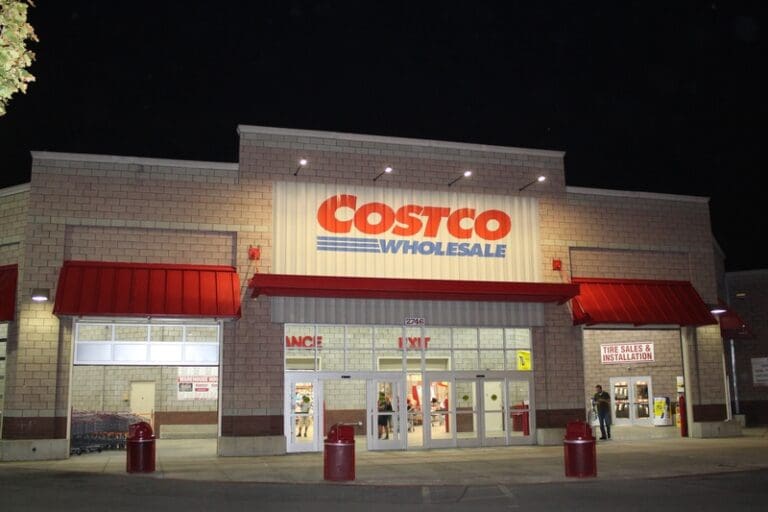
Costco is one of those rare stores where people will genuinely fight you for a rotisserie chicken. And I mean that literally — at one location, a shopping cart dispute in October 2025 turned physical enough to bring the NYPD. The chain has almost 600 warehouses in the U.S., and most of them are fine. Great, even. But a handful of locations have earned reputations so bad that shoppers have canceled memberships, driven 30 miles to a different store, or simply given up and gone home empty-handed. Here are the worst offenders, ranked from rough-but-manageable all the way down to the absolute pit of American retail.

Huntsville, Alabama — The Weekday Trap

This one sits off Memorial Parkway in the middle of a big-box cluster, which means traffic is already a mess before you even pull into the lot. The real problem is that this was the only Costco in that part of Alabama for most of its existence. That means it doesn’t get the typical weekend-only rush — it’s slammed every single day. One shopper reported going on a random Wednesday afternoon expecting a breeze and walking into what felt like a Saturday mob scene. There’s no off-peak window. If you live in the area, you’re just accepting your fate every time you walk through those doors.

Aurora Village, Shoreline, Washington — The Gas Station From Hell

On paper, the Shoreline Costco near Seattle shouldn’t be this bad. But its parking lot is shared with a Home Depot and about a dozen other stores, which means weekends are a coin flip on whether you’ll even get a spot. Inside, the food selection is weirdly thin compared to other locations, though for some reason there’s an oversized clothing section nobody asked for. The checkout lanes are constantly reconfigured, so you’re never sure where a line starts or ends. And the exit funnels through a narrow passage between the food court and promotional services that bottlenecks instantly. The gas station is another disaster — only two pumps per lane, no display screens telling you when a pump opens up, and the lanes somehow merge with a metro bus depot. Real buses holding up your trip to fill the tank. The nearby SoDo Seattle location, by comparison, has three pumps per lane, display screens, and its own dedicated lot. Night and day.

Bellingham, Washington — The Canadian Border Battlefield

Bellingham is right next to the Canadian border, and Canadians drive south because gas and cheese (among other things) are significantly cheaper in the U.S. The result is a nonstop flood of cross-border shoppers fighting over carts, gas, and rotisserie chickens from open to close. Multiple shoppers have called it the worst Costco in America, full stop. There’s no weekend vs. weekday difference — it’s packed all the time. Add in a large local retiree population shopping during off-peak hours and you lose even the midweek windows that work at other stores. It’s a perfect storm of constant, relentless crowds with zero relief valve.

Portland, Oregon — The Sales Tax Magnet

Portland has no sales tax. Washington state does. You can guess what happens next. The Costco near the state border gets absolutely crushed by Washington residents hauling large-screen TVs and other big-ticket items across the line to dodge the tax. One shopper said they stopped in for something simple, saw the chaos, and left without buying anything. Another said the experience “traumatized” two friends who had never been to a Costco before — and they had to take those friends to a different Oregon location afterward to prove that not all Costcos are like that. Better options in the area include the Tigard and Hillsboro stores, if you’re willing to drive a bit.

Davie, Florida — Mad Max at the Gas Pumps

Just northwest of Miami, the Davie Costco shares its already small parking lot with a Chick-fil-A, which is its own gravitational force. The gas station has been compared to both “The Hunger Games” and “Mad Max” by shoppers on Reddit. Nobody in south Florida stops for pedestrians. Nobody returns carts. And during summer storms — which happen daily from June through September — every single person in the store camps out under the front entrance, backing up the exit line all the way to the bathrooms. It’s basically a case study in what happens when you combine aggressive driving culture, bad weather, and a shared parking lot with a fast food restaurant that has its own insane drive-thru line.

Marina Del Rey, California — The Triple Threat Parking Lot

This Costco shares an entrance and exit with a Valvoline, a gas station, and an In-N-Out Burger. That’s three separate businesses generating their own traffic, all funneling through the same choke point. The gas station is close to LAX, so it draws a constant stream of people returning rental cars and topping off the tank. One shopper said they “almost died several times trying to park and leave” the lot. The nearby South Monterey Park location is somehow even worse — it shares space with In-N-Out, Chick-fil-A, and Home Depot, with only two bottleneck routes in and out. Shoppers blamed the developers for designing a lot that maximizes business density with zero thought for traffic flow.

Arlington, Virginia — The Underground Bunker

The Pentagon City Costco is wedged under a parking garage next to the Fashion Center mall. Getting in means waiting in line at a gate. Then waiting to park. Then waiting to check out. Then waiting to leave. Every step involves a line. One local said they lived right next to it and didn’t even want to walk through the traffic to get there. Other shoppers describe losing cell signal inside the subterranean layout. It feels less like a warehouse store and more like a bunker where you wait in a series of queues until you’re finally released back into daylight.

Alhambra, California — Where Costco Memberships Go to Die

Alhambra might be the most feared Costco in the country. On Yelp, one-star reviews are the most common rating — not a typical distribution for any business, let alone a Costco. Shoppers describe it as “everything that makes Costco a difficult experience dialed up to 150%.” The parking lot was featured in the Los Angeles Times as one of the city’s worst, with shoppers tailgating each other and “vulturing for a spot near the front.” Inside, the aisles clog instantly. Free sample stations become what one Redditor called a “piranha attack.” People have reportedly had their carts emptied and stolen by other members in the aisles. Others park at the adjacent Target to avoid the lot entirely. Multiple people have said they gave up their Costco membership after moving and realizing Alhambra was their closest location. The only survival strategy, per veterans: arrive the second it opens, never go on weekends, and don’t even think about it after noon.

Iwilei, Honolulu, Hawaii — The Busiest Costco on Earth

The Honolulu warehouse is frequently cited as one of the busiest Costcos on the planet, with revenue reportedly close to double the average store. In Hawaii, groceries run 30 to 50% more expensive than the mainland, so Costco isn’t just a convenience — it’s a financial necessity. That desperation fills the store with what locals describe as “Disney theme park level” crowds. The entrance has been compared to a ride queue. Parking lot arguments are routine. One shopper said someone tries to run them over with a cart at Iwilei “every freaking time, without fail.” Casual browsing is not an option here. Locals who’ve figured it out say: enter via the gas station side, park on that end of the lot, have your list memorized before you walk in, and move with purpose. One regular said switching to the gas station entrance “has done wonders for my mental health.”

Sunset Park, Brooklyn — The Undisputed Worst Costco in America

If the internet has reached a consensus on anything, it’s this: the Brooklyn Costco on 3rd Avenue is the worst in the country. It’s a two-story store — groceries downstairs, everything else upstairs — and it’s considered the busiest Costco on the entire East Coast. Shoppers use phrases like “hell hole,” “the most Brooklyn experience imaginable,” and “god awful.” One Redditor compared it to being on the front line of a war. Another described it as “bloodsport” and said they’d seen people getting arrested on multiple occasions. The parking lot has been called “a holy place for the auto body shops” and a spot “where people of all races come together to fist fight peacefully.” The food court never has open seats. The aisles are clogged with Instacart shoppers filling massive orders. And in October 2025, a fight over a shopping cart got violent enough to require an NYPD investigation and left someone injured.

Locals who refuse to give up their membership have developed coping strategies: shop Monday or Tuesday, show up about an hour before closing, or just order through Instacart and let someone else deal with it. The N/R train is nearby, and some people take an Uber for big hauls just to avoid driving into that lot. Even those workarounds come with no guarantees.

How to Survive Any Bad Costco

If you’re stuck with one of these locations as your nearest warehouse, here’s what seasoned shoppers recommend. Tuesday and Thursday between mid-morning and early afternoon are generally the calmest windows at most stores. One Costco employee confirmed that Tuesday nights are the quietest across the board. Wednesday mornings get a surge because new coupons start that day, but by Wednesday afternoon things settle down. An insider trick that’s been shared widely on Reddit: show up 10 to 15 minutes before the posted opening time, because warehouse doors are often already up. One person said they were done shopping — including grabbing a hot dog from the food court — in 25 minutes flat using this method. And if you’re in the Western time zone, Super Bowl Sunday after kickoff is apparently dead quiet. Rain helps too. Most people won’t brave a downpour for a 48-pack of paper towels, but that’s exactly when you should.

Costco doesn’t put up aisle signs on purpose — the company’s co-founder admitted it forces customers to wander and buy more. They also constantly move inventory around for the same reason. Employees often don’t know where things are either. The best defense is a tight list and a refusal to browse. Get in, grab what you need, and get out before the parking lot swallows you whole.

Signs You Need to Throw Away Your Nonstick Pan Right Now

0

I get it. You love that nonstick pan. Maybe it was part of a set you got as a wedding gift, or you snagged it on sale at Target six years ago and it’s been your go-to for scrambled eggs ever since. But here’s the thing — nonstick pans don’t last forever. Not even close. And if yours has certain telltale signs of wear, you’re long overdue to chuck it in the trash and move on.

I’m not being dramatic. There are real, concrete reasons to ditch a beat-up nonstick pan, and most of them come down to the fact that the coating on these things was never meant to take a beating. Once it starts breaking down, your cooking gets worse, cleanup gets harder, and you’re basically using a compromised tool that’s working against you. Let’s talk about what to look for.

The Coating Is Peeling, Chipping, or Flaking

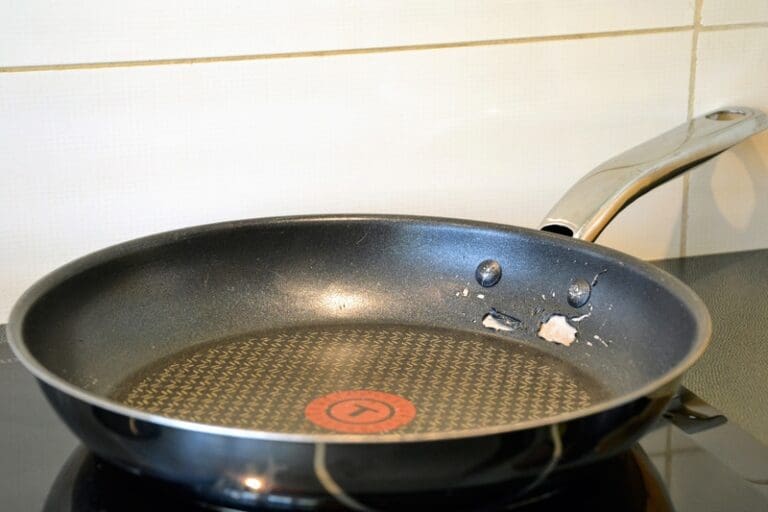
This is the big one. If you flip your pan over or look at the cooking surface and see bits of coating lifting up, peeling away, or flaking off — that pan is done. Once the nonstick coating starts coming apart, it accelerates. It doesn’t heal itself. It just keeps getting worse, and every time you cook with it, you’re adding microscopic (and sometimes not-so-microscopic) pieces of that coating to your food.

Studies have found that damaged nonstick cookware can release millions of micro- and nanoplastic particles into food. That’s not a typo — millions of particles from a single damaged pan. The coating on most nonstick pans is made from PTFE, better known by the brand name Teflon, and once it starts breaking apart, those particles end up in whatever you’re cooking. If your pan looks like it’s shedding its skin, it needed to go yesterday.

Deep Scratches That Cut Through to the Metal

Light surface scratches are one thing. But if you can see the bare metal underneath the coating — usually a silver or gray color peeking through the dark nonstick surface — that’s a pan you need to stop using. Those deep scratches mean the barrier between your food and the pan’s base material is gone in those spots.

Deep scratches also create little grooves where bacteria can camp out and where food residue builds up in ways that regular washing can’t fix. One expert quoted by AARP pointed out that the second you cut into a Teflon coating with a metal utensil, you’re exposing the underlying chemicals. This is the number one reason professional cooks are so insistent about never using metal spatulas or forks on nonstick surfaces. If yours already has deep scratches, the damage is done.

Dark Discoloration That Won’t Come Off

A little bit of discoloration over time? Normal. Your light-colored nonstick pan is going to look slightly different after a year of regular use. But deep, dark staining — the kind that doesn’t budge no matter how much you scrub — is a sign the coating is wearing out from the inside. That discoloration usually comes from a combination of burning and residue buildup that’s bonded to the deteriorating surface.

When a pan reaches this point, it’s not just ugly. The cooking performance has tanked, and you’re likely dealing with uneven heat distribution and food sticking in certain spots. If scouring doesn’t bring it back to something resembling its original color, don’t fight it. Replace it.

The Pan Is Warped

Set your pan on a flat surface. Does it sit perfectly flat, or does it rock back and forth like a seesaw? Warping is incredibly common in cheaper nonstick cookware, especially thin aluminum pans. It happens when the pan is exposed to drastic temperature swings — like running cold water over a hot pan, or cranking the burner to max on a lightweight skillet.

A warped pan means uneven cooking across the board. Oil pools on one side. Eggs cook faster in one spot. Pancakes come out with one crispy edge and one pale, undercooked edge. And if you have an induction cooktop, a warped pan might not even work at all since it needs to make full contact with the surface. Warping is especially common in lower-quality aluminum cookware, and once it happens, there’s no bending it back.

Food Sticks to Everything

The entire point of a nonstick pan is that food doesn’t stick. If your eggs are gluing themselves to the surface, if your pancakes are tearing when you try to flip them, if you need to use as much butter as you would in a stainless steel pan just to keep things from welding to the bottom — your nonstick pan has stopped being nonstick. And a nonstick pan that doesn’t work is just a bad pan.

This usually means the coating has worn through enough that it’s lost its release properties, even if you can’t see obvious peeling or scratching with the naked eye. Most nonstick pans are designed to last somewhere between one and five years, depending on quality and how you treat them. Ceramic coatings tend to give out even faster — about two years on average.

Rust on the Surface or Around the Rivets

If you see rust anywhere on your pan — on the cooking surface, on the bottom, or around the rivets and screws that attach the handle — that’s corrosion, and it means the protective coating has failed. Rust is most common in cast iron and carbon steel cookware, but it can show up on any pan where the coating has worn through and exposed bare metal to moisture.

With cast iron, minor surface rust can sometimes be scrubbed off and the pan reseasoned. But on a nonstick pan, rust means the game is over. There’s no reseasoning a Teflon pan. And extensive rust on any type of cookware means replacement is the only move.

Loose or Wobbly Handles

This one isn’t about the coating — it’s about not dumping boiling food on yourself. If the handle on your pan wiggles, feels loose, or has visible gaps where it connects to the pan body, that’s a serious safety issue. A handle that gives way while you’re carrying a pan full of hot oil or simmering sauce is a trip to the ER waiting to happen.

Sometimes tightening the rivets or screws can fix it. But if you’ve already tightened everything and the handle still wobbles, the connection points have degraded beyond repair. Don’t risk it. A compromised pan isn’t worth a kitchen accident.

Your Pan Was Made Before 2015

Here’s something a lot of people don’t know: nonstick pans manufactured before 2015 were made using a chemical called PFOA (perfluorooctanoic acid) in the production of their PTFE coatings. PFOA was detected in the blood of 99.7% of Americans, according to research, and it has since been phased out of production. Pans made after 2015 don’t contain PFOA.

So if you’ve got an ancient nonstick pan kicking around — the kind that’s been in the back of your cabinet for a decade — check if there’s a manufacture date on it. If it predates 2015, or if you picked it up at a yard sale and have no idea when it was made, it’s worth replacing. This goes double for thrift store and secondhand cookware finds.

A Greasy Film That Won’t Wash Off

You wash the pan. You dry it. You run your finger across the surface, and it still feels… slick. Not nonstick-smooth — greasy. That persistent oily film is a sign the pan’s surface has become porous and is trapping oil and food residue in ways that soap and water can’t reach anymore. This is especially common in older nonstick and hard-anodized aluminum pans.

Beyond being gross, this residue buildup can actually alter the flavor of your food. If last Tuesday’s fish fry is haunting tonight’s fried eggs, the pan has become a liability. When cleaning no longer restores the surface, the pan has outlived its usefulness.

What to Replace It With

The obvious question: if you’re ditching your nonstick pan, what do you buy instead? You have a few solid options.

Cast iron is the classic choice. It’ll last generations if you take care of it, develops a natural nonstick surface over time, and costs less than most fancy nonstick sets. A Lodge 12-inch skillet runs about $20-$30 at most stores. Stainless steel is another strong option — durable, dishwasher-safe, and it won’t degrade the way coated pans do. Carbon steel splits the difference, giving you cast iron-like seasoning in a lighter, more responsive pan.

If you still want nonstick, look for pans specifically labeled PTFE-free (not just PFOA-free — that label doesn’t mean what most people think it means). Research from the Ecology Center found that 79% of tested nonstick cooking pans were still coated with PTFE. Ceramic-coated options from brands like GreenPan run about $20 for a basic skillet at Walmart — roughly double the price of the cheapest traditional nonstick, but a meaningful upgrade. Pingping Meng, an assistant professor of chemistry at East Carolina University, said the research on PFAS prompted her to toss every nonstick pan in her kitchen. That’s pretty telling.

Whatever you choose, stop stacking your pans without something between them. A dish towel, a pan protector, even a paper plate — anything to keep the surfaces from scratching against each other. It’s the single easiest thing you can do to make any pan last longer. And for nonstick pans you do keep, stick to wooden or silicone utensils, hand wash instead of using the dishwasher, and never crank the heat past medium. Treat them right, and you’ll get the full lifespan out of them instead of needing a new one every 18 months.

McDonald’s Customers Are Furious About a New Policy Nobody Asked For

0

If you’ve paid with cash at McDonald’s recently and felt like something was off about your change, you weren’t imagining things. A leaked internal memo — first spotted on Reddit in late October 2025 — confirmed what some customers had already suspected: McDonald’s is rounding your cash transactions to the nearest nickel. And that’s just the latest in a string of decisions that have customers asking themselves why they’re still showing up.

The Penny Problem That Started It All

On November 12, 2025, the U.S. Mint in Philadelphia pressed its very last penny, ending a 232-year run. The writing had been on the wall for a while — banks couldn’t order fresh pennies and were already rationing what they had left. But the shortage really started biting in late summer 2025 and got worse heading into the holidays.

McDonald’s response? A rounding policy that works like this: If your total ends in 1 or 2 cents, it rounds down. If it ends in 3 or 4 cents, it rounds up. Same logic applies at the 5-cent mark — 6 or 7 cents rounds down, 8 or 9 rounds up. Pay with a card, and you’re charged the exact amount. But if you’re a cash customer, you’re rolling the dice on a couple of pennies every time.

Now, is anyone going broke over two cents? No. But there’s a principle here that rubbed people the wrong way, and fast. The rounding doesn’t always go in the customer’s favor. When other chains like Wendy’s and GoTo Foods (which owns Auntie Anne’s, Cinnabon, Jamba, and Carvel) announced their approach, they said they’d only round in the customer’s favor. McDonald’s didn’t make that same promise.

An Internal Memo That Went Very Public

The whole thing blew up because someone at a Bear Family Restaurants franchise location in Chicago snapped a photo of an internal company memo and posted it to the r/McDonalds and r/mildlyinteresting subreddits on October 25, 2025. That’s how most customers found out — not from McDonald’s corporate, not from a press release, but from Reddit.

McDonald’s confirmed the policy was real after it went viral, calling it “an issue affecting all retailers across the country” and saying they had a team working on “long-term solutions.” But the damage was already done. The optics of a company worth billions quietly pocketing a few extra cents from cash-paying customers — many of whom use cash specifically because they’re on tighter budgets — weren’t great.

To be fair, McDonald’s isn’t alone. One convenience store chain, Sheetz, got so desperate for pennies that it ran a promotion offering a free soda to anyone who brought in 100 pennies. Another unnamed retailer said the shortage would cost them millions because they’d have to round down on every transaction to avoid lawsuits. The National Retail Federation’s Dylan Jeon called the industry-wide penny problem “a chunk of change.”

But the Rounding Isn’t Really Why People Are Mad

Let’s be honest — the penny thing was just the match that lit the fuse. The real anger has been building for years, and it’s about one thing: prices.

McDonald’s corporate says the average price of menu items went up about 40% since 2019. They blame rising labor costs and the price of food and materials. But when you look at individual items, the numbers tell a much uglier story. The McChicken cost $1 in 2018. In 2025, it’s $3.10 — a 210% increase. A Big Mac Meal that was $7.29 in 2019 hit $9.29 by 2024, and some locations have it listed at $10.49 in 2025.

One Reddit user summed it up perfectly: “At that price, you might as well go to Red Robin and tip to have someone bring it to you.” Another wrote, “I don’t get why anyone goes there anymore. Overpriced and terrible.”

Between 2014 and 2024, the average price of fast-food items jumped between 39% and 100%, while overall inflation during that same period was 31%. McDonald’s menu prices for popular items doubled during that stretch. That’s not keeping up with inflation — that’s lapping it.

The $8 Nugget Meal That Backfired

In November 2025, McDonald’s tried to generate some goodwill by promoting a limited-time $8 10-piece Chicken McNugget value meal. They posted about it on X. It did not go the way they planned.

The replies were brutal. Hundreds of complaints piled up about affordability, quality, and long drive-through waits. One commenter wrote: “Since when is $8 a good price for 10 little nuggets, a handful of fries and a drink?” McDonald’s PR team responded to individual complaints asking people to DM their contact info, which felt about as effective as bailing out a sinking ship with a teaspoon.

CEO Chris Kempczinski admitted during the Q3 earnings call that the company heard customers’ affordability concerns “loud and clear.” He also acknowledged earlier in 2025 that combo meals priced over $10 were “negatively shaping value perceptions.” That’s corporate speak for: people think we’re ripping them off and they’re not wrong.

Customers Are Voting With Their Feet

The anger isn’t just online. People are actually staying home. According to Placer.ai data, customer visits to McDonald’s same-store locations dropped 4% in Q3 2025 compared to the year before. Month by month, it looked like this: July was down 1.8%, August dropped 4.4%, and September fell another 4.4%. Foot traffic was last positive in April 2025 — right before most tariffs kicked in and inflation crept back up from 2.3% to 3%.

And it’s not just McDonald’s hurting. Wendy’s foot traffic fell 6.5%, Burger King dropped 3.5%, and Jack in the Box got hammered at negative 7.7% that same quarter. A KPMG survey found that 69% of American consumers are eating at home more often, with 85% saying it’s to save money. A full 34% said they’re specifically eating less at fast-food restaurants.

Low-income consumers — the exact customers McDonald’s was built to serve — declined their visits by nearly double digits in Q1 2025. Middle-income traffic fell by almost the same amount.

The Boycott That Made Headlines

In June 2025, a grassroots group called The People’s Union USA organized a week-long “economic blackout” boycott of McDonald’s, running from June 24 through June 30. The group’s leader, John Schwarz, accused McDonald’s of benefiting from offshore tax havens, price gouging, anti-union tactics, and exploiting global supply chains.

The timing made things worse because McDonald’s had just announced in January 2025 that it was rolling back some of its diversity, equity, and inclusion commitments. The company stopped requiring suppliers to meet certain DEI targets, pulled out of external diversity surveys, and renamed its diversity team the “Global Inclusion Team.” On the same day the boycott launched, over 40 Black ex-franchisees filed a lawsuit claiming systemic racial discrimination.

McDonald’s pushed back, saying the boycott relied on “misleading claims” and that its “commitment to inclusion remains steadfast.” But the DEI pullback had already drawn attention from both sides of the political aisle — anti-woke activist Robby Starbuck took credit for pressuring the company into the changes, while progressive groups saw it as a betrayal.

McDonald’s Is Now Cracking Down on Its Own Franchisees

Here’s where things get interesting. Starting January 1, 2026, McDonald’s is rolling out enhanced franchising standards that will let corporate “holistically assess” whether franchise owners are offering good enough value to customers. In a memo from Andrew Gregory, McDonald’s senior vice president of global franchising, the company made it clear: if your prices are out of line, there will be consequences.

Those consequences could include not being allowed to open new locations or, in extreme cases, losing the franchise entirely. That’s a big deal when you consider that franchisees run about 95% of McDonald’s restaurants worldwide and have traditionally set their own prices.

U.S. President Joe Erlinger already told franchise owners they needed to “stay the course” on value offerings. The company had been pushing $5 Meal Deals, Extra Value Meals, and a “Buy One, Add One for $1” promotion. The Snack Wraps relaunch in July 2025 at $2.99 was called “the most popular new chicken product launch in the U.S. in recent history,” with nearly 1 in 5 customers buying one.

But even with these efforts, the numbers tell the story. Global same-store sales grew 3.6% in Q3, but that was driven by higher prices, not more customers walking through the door. When the people showing up are spending more per visit but there are fewer of them, that’s not a comeback — that’s a warning sign.

The Bigger Picture

McDonald’s isn’t in crisis. It still has over 43,000 locations worldwide, $25.9 billion in annual revenue, and 185 million active loyalty program users across 60 markets. But the brand has a trust problem that no app deal or rounding policy disclaimer can fix.

The company that built its empire on being the affordable option is now the place where a six-piece McNuggets, a small Sprite, and small fries costs about $8. People notice that. They remember when it didn’t. And when you tell them it’s because wages and beef prices went up — beef rose 12% from June 2024 to June 2025, reaching $6.12 per pound — they look at your $26 billion in revenue and shrug.

The penny rounding was a small thing. But small things add up when trust is already thin. And right now, a lot of McDonald’s customers don’t feel like the company is on their side anymore. Whether that changes depends less on memos and more on what it actually costs to eat lunch there next year.

The Newest Costco Items That Members Cannot Stop Buying

0

If you’ve spent any time on TikTok, Reddit, or Instagram in the past year, you’ve probably noticed that Costco has its own unofficial fan club. There are entire accounts — hundreds of thousands of followers strong — dedicated to nothing but walking through Costco aisles and filming what’s new. And honestly? The stuff they’ve been finding lately is wild. From bakery items that sell out the same day they hit shelves to frozen meals that taste like they came from a restaurant, there’s a reason people are making special trips just to see what showed up this week.

Here’s a rundown of the newest and most talked-about Costco finds that members are losing their minds over right now.

Kirkland Signature Apple Pie

This one is seasonal, which means it disappears and comes back, and every time it returns people act like a long-lost relative just walked through the door. One shopper on social media called it “the best apple pie of my entire life,” and that’s not the kind of thing people throw around lightly. The top crust has a sugar-and-cinnamon crackle situation going on that’s almost more like a dessert topping than a pie crust. The apples inside are juicy but still firm — no mushy filling here — and the bottom crust is buttery and flaky without being soggy. For the price Costco charges for a full-sized bakery pie, it’s genuinely hard to justify making one from scratch.

The Tiramisu Cheesecake That Stores Can’t Keep In Stock

The Kirkland Signature Tiramisu Cheesecake showed up in early February 2025 and immediately became one of those items where you either got lucky or you didn’t. It’s a 12-inch, 4.5-pound monster priced at $23.99, and it combines fluffy mascarpone cheese with espresso flavoring in a way that Redditors described as hitting “all the right parts of an espresso-flavored cheesecake.” Stores literally could not keep it stocked. If you see it, grab it. Thinking about it overnight means someone else is taking it home. That’s just how Costco works now — the bakery section has turned into a competitive sport.

Kirkland Lightly Breaded Chicken Breast Chunks

This is the one that really got the internet going. Shoppers started claiming these frozen chicken chunks are better than Just Bare — which, if you know, has been the gold standard frozen chicken nugget for years — and that they’re basically a dupe for Chick-fil-A nuggets. That’s a big claim. But enough people have backed it up that it’s hard to dismiss. They went viral almost overnight, and at Costco pricing for a Kirkland product, they’re significantly cheaper than the brand-name alternatives. Air fryer is the move here, by the way.

Almond Croissants For Less Than A Dollar Each

Go to any half-decent bakery or French café and an almond croissant will run you somewhere between $3 and $5. At Costco, you’re getting a dozen for about $6. That’s roughly 50 cents each for something that people are comparing to pâtisserie-quality pastries. The outside is flaky, the inside is filled with sweet almond paste, and they’re big — about the size of an extra-large muffin. Even the regular Kirkland Signature Butter Croissants are a steal at $5.99 for a 12-pack, but the almond version has pushed the bakery hype to another level.

Crème Brûlée Bar Cake

Costco’s bakery has been on an absolute tear, and the Crème Brûlée Bar Cake might be the most ambitious thing they’ve attempted. Priced at $18.99, it layers sponge cake with custard and tops the whole thing with a crunchy layer of burnt sugar — like the crackly top of an actual crème brûlée, but in cake form. It showed up around November 2025 and was one of the most talked-about seasonal arrivals of the year. If Costco brings it back, expect the same frenzy.

Korean Shine Muscat Grapes

These grapes went TikTok viral for a reason. Originally developed in Japan and widely grown in South Korea, Shine Muscat grapes are massive, glossy, seedless, and taste almost like candy — with a crisp bite and a honeyed, slightly floral sweetness that regular grapes just don’t have. They showed up in Costco’s produce section priced between $7.99 and $11.99 for a 1.3-pound clamshell. Is that expensive for grapes? Absolutely. Are Redditors debating whether they’re worth it? Yes, loudly. But most people who’ve tried them say they’re unlike any grape they’ve ever eaten, so take that for what it’s worth.

Kirkland Signature Extra Crispy French Fries

It’s kind of shocking that it took this long for Kirkland to make their own frozen french fries, but they finally did it in early 2025. A 5-pound bag runs $6.79, and the fries are skin-on with a light seasoning. The Reddit consensus is overwhelmingly positive, with the r/Costco crowd recommending air frying, double-frying, or giving them a light spritz of oil before cooking for maximum crispiness. A few people still swear by the Ore-Ida Fast Food Fries that Costco used to carry, but most agree the Kirkland version holds its own and then some.

Partini Spinach Artichoke Bites

These showed up in February 2025 and immediately started selling out. Each box has 40 bites, and they’re stuffed with spinach, artichoke, and cream cheese inside a crispy battered shell. Seven minutes in the air fryer and you’ve got something that tastes like it came from a restaurant appetizer menu. One Redditor called them “the best bites I’ve ever had in my life,” and multiple people reported that boxes were already gone from their local store before the hype even peaked. If you see them, don’t hesitate.

BBQ Mac and Cheese From The Deli

Costco’s deli section doesn’t get as much love as the bakery on social media, but the BBQ Mac and Cheese changed that. It’s cavatappi pasta mixed with rotisserie chicken and bacon crumbles, all topped with barbecue sauce, running about $4.49 per pound (roughly $18 total for a container). That feeds a family or gives you leftovers for days. It’s the kind of thing that feels like a cheat code for weeknight dinners when you just don’t have it in you to cook from scratch.

Binggrae Samanco Frozen Desserts

Costco has been leaning hard into Korean food trends, and the Binggrae Samanco is a prime example. These are fish-shaped waffle cones filled with vanilla dairy dessert and a core of either sweet red bean paste or chocolate. If you’ve been to a Korean convenience store, you know exactly what these are — they’ve had a cult following for years. One Redditor said her husband finished an entire box in less than two days. At Costco pricing, keeping them stocked in your freezer is dangerous in the best possible way.

The Combo Calzone From The Food Court

The Costco food court menu doesn’t change often, so when something new shows up, it’s a big deal. The Combo Calzone debuted in 2025 and it’s loaded — cheese, mushrooms, olives, onions, peppers, pepperoni, and sausage, all folded into that doughy calzone shell. It’s basically the old combo pizza that people have been begging Costco to bring back, but in a different format. The food court also added a Strawberry-Banana Smoothie that’s been getting positive reviews, especially from people who remember the mango smoothie flop from a few years back.

Silo Streetfood Korean Bibimbap

If you want a meal that’s ready in 60 seconds and actually tastes good, this one’s for you. It’s a shelf-stable Korean bibimbap with carrots, bean sprouts, shiitake and shimeji mushrooms in gochujang sauce, served over sticky rice with a seaweed topping. Customers were impressed that the vegetables were still firm after microwaving and that the sauce had real flavor — sweet, slightly tangy, with a good amount of heat. The pro move is to top it with a fried egg or some stir-fried meat and kimchi. For a microwave meal, it punches way above its weight class.

Why Costco’s New Drops Keep Going Viral

There’s a reason this keeps happening. Costco rotates inventory constantly — they pull things, add things, bring seasonal items back, and experiment with limited runs that might never return. That “treasure hunt” model, combined with the fact that there are now dedicated Instagram accounts and TikTok creators covering every new product, has turned a regular warehouse store into something closer to a sneaker drop. People see a post about a new bakery item on Monday and it’s sold out by Wednesday. Prices vary by region, availability changes store to store, and some products never even make it to Costco’s website.

The smartest thing you can do is follow a couple of those Costco-focused social media accounts, check your local store regularly, and never assume something will still be there next week. Because if the last year has taught us anything, it’s that the good stuff disappears fast — and Costco knows exactly what it’s doing by keeping you on your toes.

The Worst Cooking Oils in Your Kitchen Ranked

0

Let me be blunt: that big plastic jug of cooking oil sitting in your pantry right now might be one of the worst things you’re putting into your body on a daily basis. Not because you’re deep-frying everything — but because the oil itself, before it even hits the pan, has already been through a gauntlet of industrial processing that would make your stomach turn.

We’re talking seeds crushed under extreme heat, bathed in chemical solvents like hexane, then bleached and deodorized so you can’t smell or taste how damaged the oil already is. According to functional medicine practitioner Chris Kresser, the general process used to create industrial seed oils is “far from natural” — the high temperatures cause unsaturated fatty acids to oxidize and create byproducts that are harmful to human health before you ever crack the cap.

The real kicker? Many of these oils are marketed as the healthy choice. Heart-healthy. All-natural. Zero trans fat. And millions of Americans trust those labels every single week.

So I ranked eight of the most common cooking oils from absolute worst to legitimately best. Some of these will confirm what you suspected. Others might surprise you — especially the ones sitting in your “health food” cabinet right now.

8. Generic “Vegetable Oil” Blends (Crisco, Store-Brand)

If there’s one oil you should throw away today, it’s that yellow jug labeled simply “vegetable oil.” Brands like Crisco Pure Vegetable Oil and most store-brand equivalents — Great Value, Essential Everyday, Kroger — are the bottom of the barrel, and here’s why: you don’t even know what’s inside.

As Green and Glowy reports, generic vegetable oil is “usually a mix of low-quality oils like soybean, corn, or canola” — all cheap, all chemically refined, and all extremely high in omega-6 fats. The label never tells you what’s really inside because the blend can change depending on whatever commodity oil is cheapest that week.

These oils are refined, bleached, and deodorized (the industry literally calls them “RBD oils”), and they can contain small amounts of trans fat hidden behind a labeling loophole — the FDA allows anything under 0.5 grams per tablespoon to be listed as “zero grams.” Multiply that across actual cooking quantities and you’re consuming trans fat without ever knowing it. This is the oil fast-food restaurants buy by the drum. You deserve better.

7. Soybean Oil (Wesson, Store Brands)

Soybean oil is the single most consumed oil in the United States, and it’s in everything — salad dressings, crackers, frozen meals, restaurant fryers. Wesson is the brand you’ll see most often, but soybean oil hides in countless products under the “vegetable oil” umbrella.

The problem is massive. Studies have linked excessive soybean oil consumption to obesity, insulin resistance, and even brain inflammation. Its omega-6 content is sky-high, and since the average American already consumes omega-6 to omega-3 at a ratio of 10:1 to 25:1 — when the WHO recommends 4:1 — adding more soybean oil to your diet is like pouring gasoline on an inflammatory fire.

Chris Kresser also flags emerging research suggesting soybean oil may inhibit processes involving vitamin K2, which is essential for heart health. For an oil that most Americans consume daily without even realizing it, that’s deeply concerning.

6. Corn Oil (Mazola)

Mazola corn oil has been running those “clinical studies prove” heart-health commercials for years. And look, I get the appeal — it’s cheap, it has a neutral flavor, and the marketing is convincing. But the science tells a more complicated story.

Corn oil has an omega-6 to omega-3 ratio of 46 to 1. Let that sink in. The WHO says 4:1. Corn oil is more than ten times that recommendation. It’s also a highly refined industrial oil, poor in antioxidants, and a staple of the fast-food frying industry.

Harvard’s Dr. Guy Crosby notes that corn oil is more readily oxidized than other options — meaning when you heat it, it breaks down faster and creates more harmful compounds. Despite what Mazola’s marketing department wants you to believe, there are far better options for your heart.

5. Canola Oil (Crisco, Wesson, Store Brands)

Canola oil is complicated. It’s the default frying oil at most restaurants and fast-food spots, according to Cleveland Clinic’s registered dietitian Julia Zumpano. It does contain some omega-3 fatty acids (ALA), and Harvard Health points out it contains phytosterols that may help lower cholesterol.

But here’s what the “heart-healthy” label leaves out: most canola oil is chemically extracted using hexane and heat, which can damage the oil’s molecules, destroy its omega-3 content, turn it rancid, and even create trans fats. Cold-pressed canola exists but is expensive and nearly impossible to find in a regular grocery store.

Research highlighted by Kresser links canola oil consumption to worsened memory and impaired learning ability in Alzheimer’s disease models. The American Heart Association maintains that canola oil is fine as part of a healthy diet, and Stanford’s Dr. Christopher Gardner calls the internet panic overblown. So where does that leave us? Canola isn’t poison, but it’s not the health food it pretends to be — especially in its cheap, heavily refined grocery-store form. I’d skip it.

4. Sunflower Oil (Various Brands)

Sunflower oil gets a pass because it sounds wholesome. Sunflowers! How could it be bad? Well, refined sunflower oil oxidizes easily and may form toxic aldehydes at high temperatures. Those aldehydes are compounds linked to cancer and heart disease — and they form especially fast when the oil is used for frying.

Some industrial seed oils have an omega-6 to omega-3 ratio as high as 75 to 1, and sunflower oil is a major contributor to that imbalance. It’s also a common hidden ingredient — check the labels on your “healthy” chips, crackers, and organic snacks. You’ll find sunflower oil lurking in places you never expected.

High-oleic sunflower oil is a different beast with a better fatty acid profile, but standard refined sunflower oil — the kind in most products — doesn’t deserve its health halo.

3. Coconut Oil (Nutiva, Carrington Farms, Spectrum)

Coconut oil was the darling of the wellness world for years, and unrefined virgin coconut oil does have legitimate benefits — antimicrobial properties, stable at medium heat, and supportive of healthy cholesterol levels when used in moderation.

The catch: refined coconut oil loses much of its antioxidant value through processing and can raise LDL cholesterol if overused. And since coconut oil is high in saturated fat, Harvard and the AHA still urge caution. Look for brands labeled “virgin” or “cold-pressed” — Nutiva’s organic virgin coconut oil is a solid option — and use it for medium-heat cooking, baking, and as a butter substitute. But don’t make it your everyday all-purpose oil.

2. Avocado Oil (Chosen Foods, Primal Kitchen)

Avocado oil is legitimately great. High smoke point, rich in heart-healthy monounsaturated fats, loaded with antioxidants, and ideal for high-heat cooking without the oxidation problems that plague seed oils.

But there’s a massive fraud problem. A 2020 study found the majority of avocado oil samples were oxidized before their expiration date, and two samples were almost 100% soybean oil disguised as avocado oil. A 2023 follow-up of 36 brands found only 36% met quality standards, and only 31% were actually pure.

That means you need to be very selective about brands. Chosen Foods and Primal Kitchen have generally fared well in independent testing. Always look for single-origin, certified products. When you get the real thing, avocado oil is a powerhouse. When you get a knockoff, you’re basically paying premium prices for the soybean oil you were trying to avoid.

1. Extra Virgin Olive Oil (California Olive Ranch, Kirkland Organic, Cobram Estate)

No surprise here, but it deserves to be said clearly: extra virgin olive oil is the best cooking oil you can buy. Period.

It’s rich in monounsaturated fats and antioxidants. It’s the cornerstone of the Mediterranean diet, which is consistently associated with better heart health and longevity. Even the American Heart Association supports it. Harvard Health recommends it. Your grandmother used it. The science is overwhelming.

For brands, California Olive Ranch is domestically produced and consistently tests as authentic EVOO. Costco’s Kirkland Signature Organic Extra Virgin Olive Oil is a remarkable value — it’s been verified in third-party testing and costs a fraction of boutique brands. Cobram Estate, an Australian brand widely available in the U.S., also earns high marks for purity and quality.

Contrary to popular belief, extra virgin olive oil is fine for most cooking — sautéing, roasting, and even moderate-heat frying. Its smoke point is around 375-405°F, which covers the vast majority of home cooking. Use it for dressings, finishing, and cooking alike.

The bottom line: clean out the industrial seed oils, stop trusting marketing labels, and build your kitchen around extra virgin olive oil — with avocado oil and quality coconut oil as your supporting cast. Your body will thank you.

These Are the Sausage Brands That Butchers Say They Would Never Touch

0

Here’s a question worth asking: if the people who cut meat for a living won’t eat certain sausage brands, why are millions of Americans buying them every week?

Sausage is a $44 billion industry in the United States. That’s not a typo. Billions. And a huge chunk of that money goes to brands that pad their products with corn syrup, mechanically separated mystery meat, and preservatives that read like a chemistry exam. The worst offenders aren’t hiding in some dark corner of the store. They’re right there at eye level, in bright packaging, next to your eggs.

I went through every taste test, ingredient breakdown, recall report, and dietitian analysis I could find. Then I ranked the most common grocery store sausage brands from the absolute worst to the ones actually worth your money. If your go-to brand is near the top of this list, it might be time to rethink breakfast.

Bar-S: The Bottom of the Barrel

If there’s one brand that belongs at the very bottom of any sausage ranking, it’s Bar-S. The first two ingredients in their Breakfast Sausage Links are mechanically separated chicken and pork hearts. Mechanically separated meat is exactly what it sounds like — leftover carcass parts pushed through a sieve at high pressure to create a paste-like substance. That paste becomes your sausage.

Each tiny link packs 530mg of sodium, 3 grams of sugar (from dextrose and corn syrup), and just 6 grams of protein. For context, you’re getting almost as much sugar as protein in a breakfast sausage. The brand keeps costs rock-bottom by leaning on soy protein and a long list of preservatives. Cheap? Sure. But nutrition takes a backseat to affordability here, and it’s not even close.

Hillshire Farm: Name Recognition Doesn’t Equal Quality

Hillshire Farm is probably sitting in your fridge right now. It’s one of the most recognizable smoked sausage brands in America, priced at about $3.98 for a 14-ounce package at Walmart. But recognizable and good are two very different things.

A single 2-ounce serving contains up to 500mg of sodium — that’s 22% of your daily recommended intake in what amounts to a few bites. The ingredient list includes corn syrup, dextrose, MSG, modified food starch, sodium phosphate, and sodium nitrite. Some products also list “mechanically separated turkey.” In September 2023, the brand recalled nearly 16,000 pounds of ready-to-eat smoked sausages after consumers found bone fragments in the product. One person reported an oral injury. The USDA’s threshold for allowable bone fragments in pork? Smaller than 0.02 by 0.03 inches. The fragments in this recall were bigger.

Eckrich: A Food Scientist’s Toolkit

Eckrich Smoked Sausage reads less like food and more like a lab experiment. MSG enhances the flavor artificially. Sodium nitrite gives it that signature pink color. Corn syrup adds sweetness. Phosphates retain moisture. One link delivers 220 calories, 18 grams of fat, 6 grams of saturated fat, and 609mg of sodium. Dietitian Amanda Lane has pointed out that a single link contains 27% of your daily recommended sodium.

The brand also had a massive recall when Armour Eckrich Meats pulled back 90,978 pounds of smoked cheddar breakfast sausage — roughly 8,800 cases — after metal pieces were discovered inside. That batch had been distributed across six states before anyone caught it.

Swaggerty’s: “Best Pork Sausage” Claim, Worst Reviews

Swaggerty’s has been around since 1930, and the Tennessee-based company claims to make “quite possibly the best pork sausage you’ll ever taste.” Customer reviews on Walmart tell a different story. Multiple shoppers have reported biting into “little hard balls of cartilage or bone” that could chip teeth. One 45-gram patty — barely bigger than a poker chip — packs 4.5 grams of saturated fat, which is 23% of your recommended daily intake.

The ingredient profile is no better. Swaggerty’s products contain MSG, nitrates, and sodium phosphate — a triple threat of additives that higher-quality brands manage to avoid entirely.

Smithfield: Big Pork, Small Flavor

Smithfield controls more than a fifth of the entire U.S. pork market. It’s the world’s largest pork processor. And yet, its sausages — including the Hometown Original Breakfast Sausage Links — have been described as salty and plain compared to almost any small-batch competitor. The ingredient list reveals corn syrup solids, a cheap, solid form of corn syrup used as a filler-sweetener. When a company processes that much pork at that scale, corners get cut. You can taste it.

Jimmy Dean: An American Icon Running on Fumes

Jimmy Dean was once a family-run butchering operation. Then it got sold to Sara Lee Corporation in 1984 for $80 million. Modern Jimmy Dean products contain MSG, corn syrup, sugar, and sodium nitrite. The Premium Pork Regular Sausage Roll lists MSG right on the label. The Turkey Sausage Links, tested side-by-side against 12 other brands, were described as “dry and uneven, with little bits that just didn’t belong.” The flavor? Bland.

There’s also the 2018 recall, when nearly 30,000 pounds of Heat ‘n Serve Original sausage links were pulled after consumers found metal strings inside. Jimmy Dean blamed third-party manufacturer CTI Foods. Whether the brand or its supplier is at fault, you were the one eating the sausage.

Good & Gather and Marketside: Store Brands That Miss the Mark

Target’s Good & Gather and Walmart’s Marketside both promise decent sausage at store-brand prices. Neither delivers. Good & Gather’s Hot Italian Sausage was tested and found lacking in flavor — the “hotness” came from cayenne pepper rather than any real pepper spice. Their Apple & Gouda Chicken Sausages earned complaints for an extremely rubbery, plasticky casing. (It was pork casing, not plastic, but if you can’t tell the difference, that’s a problem.)

Marketside’s Cuban Sandwich flavor sausage was equally disappointing. The only thing remotely Cuban about it was the mustard and pickle the reviewer added themselves. Budget store-brand sausages consistently underperform across the board.

Johnsonville: The Reliable Middle of the Pack

Johnsonville is tricky to place. Their Beddar with Cheddar Smoked Sausage has been called a “sleeper” — surprisingly balanced despite low expectations. The meat dominates over the cheese, which is actually a good sign. But their Fully Cooked Breakfast Sausage is another story. Registered dietitian Kristi Ruth flagged it for containing corn syrup and BHA, an artificial preservative that “may have carcinogenic effects.” Each link has 170 calories, 15 grams of fat, and 380mg of sodium.

Johnsonville lands in the middle because it depends entirely on which product you grab. Some are fine. Others belong on this list with the worst of them.

Kiolbassa: Texas Does It Better

This is where the list starts turning around. Kiolbassa is a Texas-based brand that excludes nitrates and fillers from its smoked pork and beef sausages. Flavors like Roasted Garlic and Jalapeño offer a cleaner alternative to the Hillshire Farms and Eckrich products dominating most grocery aisles. It’s not the cheapest option, but you’re paying for actual meat and actual spices instead of corn syrup and phosphates.

Aidells: Gourmet Without the Gourmet Price

Aidells Chicken & Apple Sausage is available in nearly every grocery store in America, and for good reason. The Cajun Style Andouille Smoked Pork Sausage contains no nitrates, no MSG, and no sodium phosphate. The ingredient list reads like an actual recipe: sea salt, garlic, paprika, and a detailed spice blend. That’s rare for a mass-market brand. Other flavors include Pineapple & Bacon, Artichoke & Garlic, and Spicy Mango. The Chicken & Apple links list chicken and dried apple as primary ingredients — no mystery paste, no filler.

Applegate: Five Ingredients, Zero Nonsense

Applegate Naturals sausage contains five ingredients: pork, water, cane sugar, salt, and spices (sage, black pepper, white pepper, red pepper, ginger). That’s it. No added nitrites. No MSG. No allergens from the major-nine list. The animals are raised without antibiotics or hormones. Compare that five-ingredient list to the 15-20 ingredients in an Eckrich or Hillshire Farm link, and the difference is stark.

Teton Waters Ranch: The One Butchers Actually Respect

Teton Waters Ranch has been producing 100% grass-fed and grass-finished beef sausages since 2009. Their Original Grass-Fed Beef Breakfast Links contain beef, water, sea salt, vinegar, and rosemary extract. That’s the entire ingredient list. The taste difference is immediate — a noticeably meatier, cleaner flavor with none of the filler-heavy mushiness that defines cheap sausage.

This is the kind of sausage that people who work with meat all day would actually bring home. No corn syrup. No phosphates. No mechanically separated anything. Just beef, salt, and a couple of natural preservatives.

What to Look for Next Time You’re at the Store

You don’t need to memorize every brand on this list. Just flip the package over and look for a few red flags. If sodium is at 20% or more of your daily value per serving, that’s high. If you see corn syrup, maltodextrin, or mechanically separated meat in the first few ingredients, put it back. If the ingredient list is longer than a receipt from CVS, that’s a sign.

A good sausage should have a snap when you bite into it — firm enough to have structure, soft enough that it doesn’t feel like a rubber hose. The casing matters. The spice blend matters. And the ingredient list matters more than the brand name on the front.

The sausage brands that butchers refuse to eat aren’t the obscure ones. They’re the ones you’ve been buying for years. Bar-S, Hillshire Farm, Eckrich, and Swaggerty’s all sit at the bottom of this ranking for real, documented reasons — bad ingredients, worse recalls, and a product that prioritizes shelf life over everything else. Meanwhile, brands like Teton Waters Ranch, Applegate, and Aidells prove that sausage doesn’t need a chemistry set to taste good.