
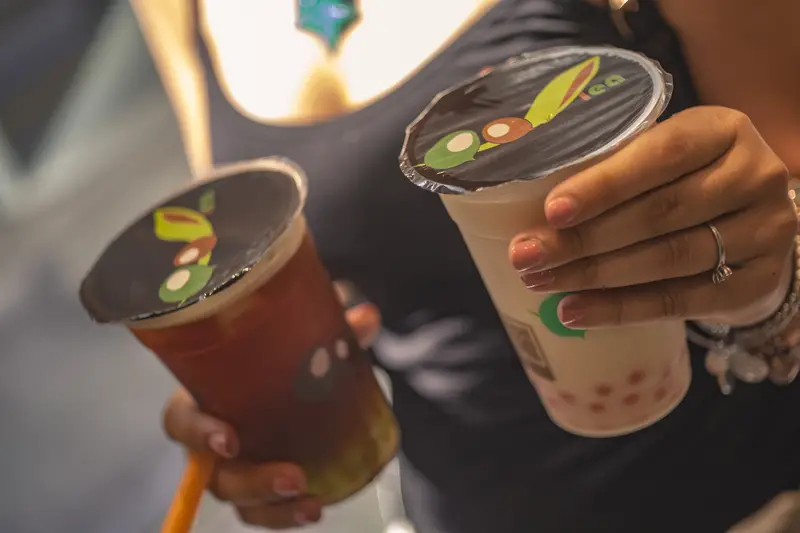
If you’ve grabbed a bubble tea, a matcha latte, or a cappuccino from a local cafe recently, you’re going to want to read this. A major recall just hit dozens of powdered drink mixes sold under several popular brand names, and the products were shipped to businesses and consumers across 25 states. The recall was announced on May 23, 2026, and it covers more than 20 specialty beverage powders that are staples in boba shops, coffee spots, and tea cafes all over the country.
Here’s what you need to know, who’s affected, and what you should do if you’ve got any of these products sitting in your kitchen or behind your counter.
The Company Behind the Recall
SKS Copack, based in Cerritos, California, is the manufacturer at the center of this. They issued a voluntary recall covering a long list of powdered beverage mixes after learning that one of their key ingredients may have been contaminated with Salmonella. The recall notice was published by the FDA on May 23, 2026, and it includes products sold under five different brand names.
SKS Copack doesn’t sell one single brand. They produce and package for multiple labels, which is why this recall covers such a wide range of products. If you’ve never heard of SKS Copack, that’s normal. Most consumers interact with the brand names on the front of the bag, not the manufacturer behind the scenes. But in this case, one manufacturing facility means one contamination issue can touch a lot of different products at once.
Which Brands Are Affected
Five brand names are included in this recall. The biggest one is Angel Specialty Products, which accounts for the majority of the recalled items. But four other labels are also on the list: Royal Gold, Boba Time, Fanale, and Denda. If you’ve spent any time in a bubble tea shop or specialty cafe, there’s a decent chance you’ve seen at least one of these names, especially Angel Specialty Products or Boba Time.
These aren’t bottled drinks sitting on grocery store shelves. They’re flavored powdered mixes, the kind that cafes and restaurants use as base ingredients to make the drinks you order at the counter. Think of the taro powder that goes into your taro milk tea, or the matcha mix in your iced matcha latte. Flavors in the recall include Matcha, Taro, Milk Tea, and Cappuccino, among others.
Where These Products Were Sold
The recalled products were distributed across 25 states: California, Utah, Idaho, New York, New Jersey, Arizona, Pennsylvania, North Carolina, Texas, Ohio, Louisiana, Georgia, Florida, Illinois, Oklahoma, Massachusetts, Washington, Oregon, Wisconsin, Nevada, Virginia, Connecticut, Tennessee, Kentucky, and Minnesota. That’s a big footprint, and it covers most of the major population centers in the country.
Distribution happened through cafes, restaurants, and direct delivery. Some of these products were also available for purchase online, which means even people outside those 25 states could potentially have them. If you’ve ordered boba tea powders or specialty drink mixes through an online retailer, it’s worth checking your supply.
The tricky part is that most people who consumed these products probably didn’t buy them directly. They drank a boba tea or a cappuccino at a cafe that used these powders as an ingredient. That means a lot of consumers were exposed without ever seeing the packaging or the brand name.
Why the Recall Happened
The contamination didn’t actually start at SKS Copack. The root cause traces back to a supplier called California Dairies, Inc., a dairy cooperative based in Visalia, California. California Dairies supplies non-fat dry milk powder to manufacturers all over the country. When they discovered a potential Salmonella issue in their milk powder, they initiated their own recall. SKS Copack was one of their customers, and because SKS used that milk powder as an ingredient in their drink mixes, those products had to be recalled as well.
SKS Copack initiated the recall after receiving notification from California Dairies about the contaminated ingredient. As of the announcement date, no illnesses had been reported in connection with the SKS Copack products. The recall is precautionary, but the potential for Salmonella contamination is serious enough that the FDA and the company are treating it with urgency.
How to Check If Your Products Are Recalled
Every recalled product can be identified by its lot code. This is a number stamped on the back of each bag, usually near the seal. The FDA published a full list of affected lot codes and best-by dates along with the recall notice. If you have any Angel Specialty Products, Royal Gold, Boba Time, Fanale, or Denda powdered drink mixes at home or in your business, pull them out and check the back of the bag.
If the lot code on your product matches one on the recall list, do not use it. Set it aside and either return it for a full refund or contact SKS Copack directly.
One important note: affected lots include products made between 2024 and 2026. So even if you bought your powder a while back, it could still be part of this recall. Don’t assume that because something has been sitting in your pantry for a year it’s fine. Check the lot code.
If the lot code is missing or you can’t read it because it’s smudged or faded, the recommendation is to play it safe and stop using the product. Contact SKS Copack for guidance.
What to Do Next
If you’re a consumer who bought any of these drink mixes, you can return them to the store or distributor where you purchased them for a full refund. You can also call SKS Copack’s consumer hotline at (562) 404-8158. The line is open Monday through Friday, 8 a.m. to 4 p.m.
If you run a cafe, restaurant, or boba shop that uses any of these products, check your inventory immediately. Pull anything that matches the recall list and stop using it in customer drinks. Businesses in all 25 affected states are being urged to cross-reference their stock against the FDA’s published lot code list and remove any matching products from service right away.
Ghirardelli Got Hit Too
SKS Copack isn’t the only company affected by the California Dairies milk powder issue. Ghirardelli Chocolate Company also issued a voluntary recall of certain powdered beverage mixes, including hot cocoa mixes, chocolate and vanilla frappes, mocha blends, and sweet ground powders. The Ghirardelli recall covers at least 13 products, and many of them have best-by dates stretching into 2027 and 2028, meaning they could still be on shelves or in storage for a long time.
Most of the Ghirardelli products were sold in bulk sizes meant for food service customers like cafes, coffee shops, and restaurants. But some were also available to individual consumers through e-commerce. Ghirardelli said their own testing hadn’t found any problems, but they were pulling the products as a precaution. No illnesses have been reported in connection with the Ghirardelli products either.
If you’ve purchased Ghirardelli powdered mixes recently, especially in food service sizes, check the recall details. Retailers can call 1-855-744-1426 for return instructions. Consumers can reach a separate line at 1-844-776-0419, which is available 24/7.
\n\n\n\n
Why This Recall Is So Widespread
This whole situation traces back to one supplier. California Dairies, Inc. provides roughly 40 percent of the dried milk powder used in the United States. When they recalled more than 100 batches of their non-fat dry milk and buttermilk powder on April 20, 2026, it set off a chain reaction. Every manufacturer that used that milk powder as an ingredient had to evaluate their own products and issue recalls where necessary.
The original California Dairies recall covered 2,679,357 pounds of low heat nonfat dry milk and 19,841 pounds of buttermilk powder. That’s a staggering volume of ingredient. As food safety expert James E. Rogers put it, these recalls show how a single ingredient from a single supplier can ripple across an enormous number of different food products.
The FDA has been working with downstream manufacturers and distributors to identify all affected products, and the list is still growing. New items keep getting added as companies trace their ingredient supply chains and realize they used the recalled milk powder.
The Big Takeaway for Consumers
If you buy powdered drink mixes, whether it’s boba tea powder, matcha mix, hot cocoa, or anything that might contain milk powder as an ingredient, now is a good time to check your stash. The FDA is maintaining a dedicated tracking page for all recalls connected to the California Dairies milk powder issue, and the agency recommends checking back regularly because new products are still being added.
For cafe and restaurant owners, this is a real operational issue. These powdered mixes are the backbone of a lot of menu items at boba shops and specialty drink spots. Pulling them from service means finding alternative suppliers or temporarily dropping drinks from the menu. But using a potentially contaminated product isn’t worth the risk to your customers or your business.
No illnesses have been confirmed in connection with the SKS Copack or Ghirardelli recalls as of the announcement dates. All of these recalls are precautionary. But “precautionary” doesn’t mean “ignore it.” Check your lot codes, return what needs to be returned, and keep an eye on the FDA’s updates page for any new additions to the recall list.

