

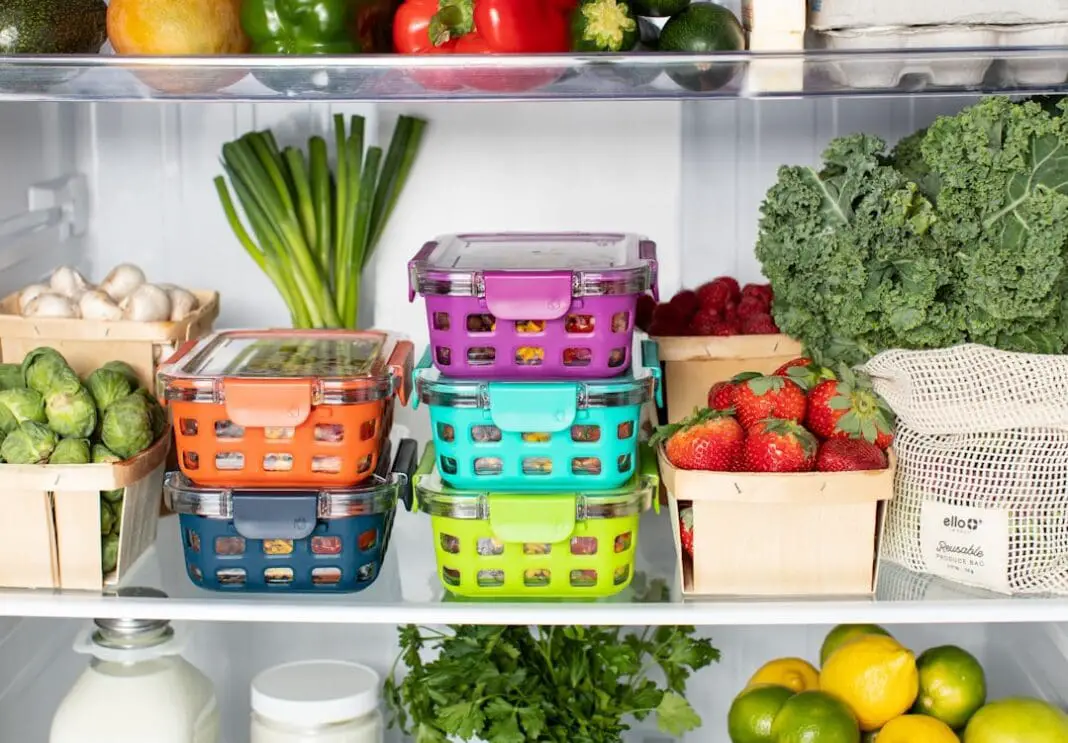
You spent good money on a cart full of fresh produce. Three days later, half of it is soft, slimy, or weirdly wrinkled, and you swear you just bought it. Most of the time, the food itself was fine. The problem is that you set the wrong two things next to each other, and they quietly went to war in your kitchen. Some vegetables really do not belong in the same bin, and one pairing in particular spoils faster than almost anything else.
Tomatoes And Cucumbers Are A Terrible Match In The Fridge
They taste perfect together in a salad, so it feels natural to toss them into the same drawer. Big mistake. Tomatoes are what scientists call climacteric, which is a fancy way of saying they keep ripening long after they leave the vine. As they sit on your counter, they pump out a gas called ethylene. Cucumbers are extremely sensitive to that gas, and they do not ripen further once picked, so all that ethylene just pushes them straight toward rot. Park a cucumber next to tomatoes and you will watch it go soft, fade from green to yellow, and start to wrinkle. Eventually it picks up a sour smell that tells you it is done. The folks at one food site put it bluntly: keep these two natural partners apart until the moment you actually slice them up.
What Ethylene Actually Does To Your Produce
Once you understand ethylene, the whole thing clicks. Produce falls into three camps. There are producers, like bananas, tomatoes, and peppers, that give off more gas as they get riper. There are sensitive items, like cucumbers, broccoli, and leafy greens, that ripen or rot faster when that gas is around. And there are a few easygoing ones, like oranges and berries, that simply do not care. That old saying about one bad apple spoiling the bunch? It is literally true, because apples are heavy ethylene producers. The fix is mostly about distance. Storage experts suggest keeping gassy producers and sensitive items at least six to eight inches apart so the gas can disperse instead of stewing. A quick rundown of the main categories shows just how many everyday vegetables sit in the sensitive group, which is why so many fridges turn into a slow-motion spoilage zone.
Onions And Potatoes Are The Worst Pantry Roommates
Here is the pairing almost everyone gets wrong. We grew up watching parents and grandparents dump onions and potatoes into the same basket under the sink, and it feels like tradition. It is also why your potatoes sprout little white tentacles before you get a chance to cook them. Onions give off ethylene, and that gas tells potatoes to wake up and start growing. The result is sprouting, softening, and that sad green tint that means the potato has been sitting too long. Stored on their own in a cool, dark, ventilated spot, potatoes can last for months. Stored next to onions, they turn ugly in a fraction of that time. The team behind one detailed write-up recommends keeping them as far apart as your pantry allows, and never letting them touch.
It Is Not Just Gas, It Is Moisture Too
The onion and potato problem runs both ways, and that is the part people miss. While the onions are busy gassing the potatoes, the potatoes are giving off moisture as they age. Onions hate moisture. They want a dry environment, and when they sit in the damp air coming off a pile of potatoes, they turn brown, soft, and moldy. So you end up with sprouting potatoes and mushy onions at the same time, all because they shared a bin. The fix is simple and cheap. Store onions in a mesh bag that lets air move through, and put potatoes in a paper bag that breathes. Whatever you do, skip plastic bags for both, because plastic traps moisture and speeds up the rot. A clear breakdown of this moisture issue explains why their combined environment wrecks both vegetables faster than either would alone.
A Few More Combos Worth Splitting Up
Once you start paying attention, the offenders pile up. Cabbage is one of the toughest vegetables you can buy and keeps for months when treated right, but stick it near onions and it falls apart. The ethylene from the onions makes the cabbage leaves drop and turn yellow, and the sulfur compounds in onions, the same ones that make you cry, can actually flavor the cabbage so it tastes like a raw onion you did not order. The smart move is cabbage in the fridge, onions in a dark cupboard. Broccoli is another easy victim. Set a head of crunchy green broccoli next to an avocado and the broccoli yellows fast, because avocados are heavy ethylene producers. A handy list of bad pairings covers these matchups, and the pattern is always the same: a gassy producer parked next to something sensitive.
How To Make Tomatoes Last Longer
Tomatoes do not actually want the fridge. Cold mutes their flavor and turns the inside mealy. Room temperature is fine, and a ripe tomato will hold for about a week on the counter as long as it is not crowding any sensitive veggies. If you want to push it further, the trick is all about the stem end, where moisture sneaks in and bacteria gets going. Flip the tomato upside down so it rests on the stem scar, or put a small piece of tape right over the stem and leave it sitting normally. Either method shields that spot and slows things down enough to stretch a tomato to ten days or more. The stem tape tip sounds like a gimmick, but it genuinely buys you extra days on a fruit that usually goes south fast.
How To Keep Cucumbers Crisp
Cucumbers are the opposite of tomatoes. They actually do better in the fridge, away from any ethylene producers. Leave a cucumber out on the counter at room temperature and you get roughly seven days before it gives up, and even less if a tomato is sitting nearby. There is one more rookie move to avoid: do not store cucumbers in the plastic they came wrapped in. Even though cucumbers are sensitive to ethylene, they also produce a tiny bit of it themselves, and sealed-up packaging traps that gas right against the cucumber and rots it from the inside. Slide them out of the wrap and let them breathe in the crisper drawer. Cucumbers sit firmly in the ethylene-sensitive group, so the safest spot is somewhere cool with no gassy neighbors crowding in.
The Simple Fix For Your Whole Kitchen
You do not need fancy gadgets to solve this, though ethylene-absorbing sheets for your crisper drawer do exist if you want them. Most of the work is just rethinking where things live. Give onions, garlic, and potatoes their own separate, ventilated containers and keep them a few feet apart in a cool, dark spot. Keep cucumbers, broccoli, leafy greens, and cabbage in the fridge, well away from tomatoes, bananas, avocados, and apples. If your pantry is tiny, a couple of cardboard boxes or paper bags work as a barrier so the gas and moisture cannot mingle. One bonus tip worth knowing: cut flowers are sensitive to ethylene too, which is exactly why a bouquet sitting next to your fruit bowl wilts so quickly. Buying smaller amounts of produce also helps, since nothing sits long enough to turn. A reliable storage guide sums it up nicely: a few small changes save real money and cut down on the food you toss every week.
So the next time you unpack groceries, take ten extra seconds to think about who goes where. Tomatoes and cucumbers split up, onions and potatoes in separate corners, and your sensitive greens away from anything that gasses. It is the cheapest upgrade you can make to your kitchen, and your wallet will notice the difference at the end of the month.

