

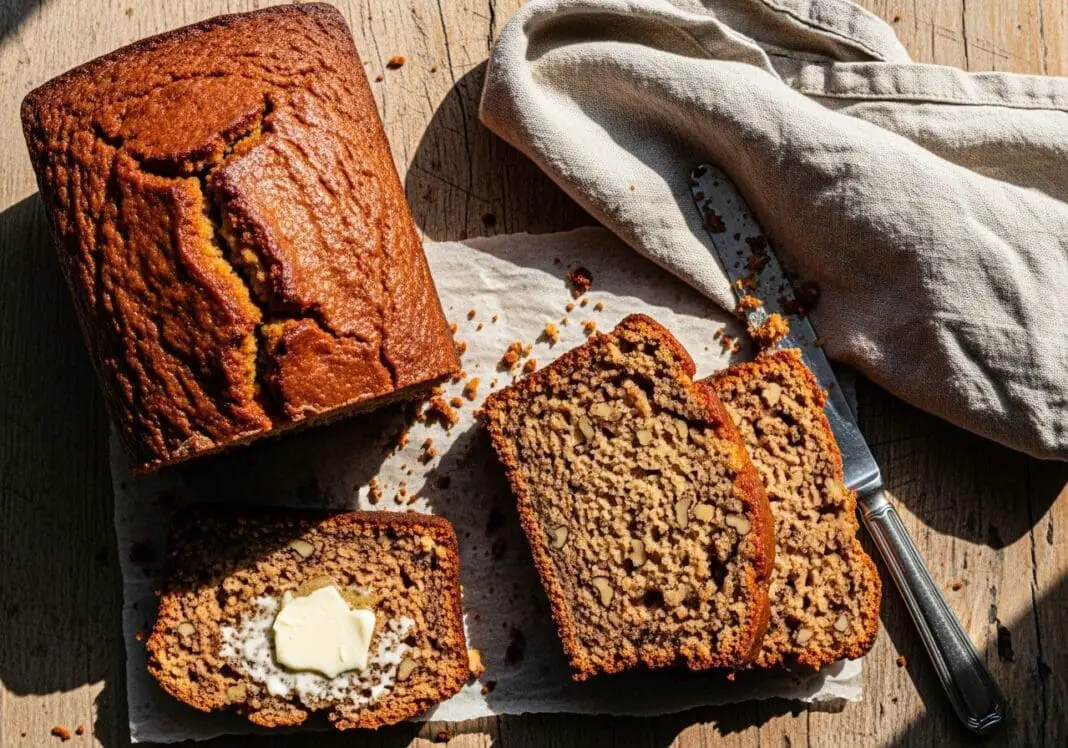
Last Saturday I was two-thirds of the way through mixing banana bread batter when I realized I’d completely forgotten the eggs. Both of them. They were sitting right there in the carton on the counter, and I’d just… skipped them. The bananas were already mashed, the sugar was creamed into the butter, the flour was halfway stirred in. I stood there for a solid ten seconds weighing my options.
I didn’t start over. I didn’t run to the store. I grabbed a jar of applesauce, spooned in about half a cup, and kept going. The bread came out of the oven 55 minutes later looking golden brown and smelling the way banana bread is supposed to smell. I sliced it. I ate a piece. My husband ate two pieces. My kid asked for more. Nobody said a word about it tasting off or weird. Nobody noticed.
And that’s the thing about cooking that took me years to figure out: most of the ingredients we panic about forgetting? They’re more flexible than we think. Some are absolutely critical — you can’t bake bread without flour — but a lot of them can be swapped, fudged, or occasionally just skipped. The trick is knowing which ones matter and which ones don’t.
So here’s my banana bread recipe, the one I’ve been making for years, along with everything I’ve learned about what happens when you forget stuff — and what to do about it.
Why Banana Bread Is the Perfect Recipe to Mess Up
Banana bread is incredibly forgiving. It’s a quick bread, which means it doesn’t rely on yeast, proofing times, or precise gluten development the way sourdough or brioche does. It’s basically a batter you stir together and throw in the oven. That flexibility is exactly what makes it the perfect recipe for learning how to improvise.
The mashed bananas do a ton of heavy lifting. They add moisture, sweetness, and binding power all on their own. That’s why when I forgot the eggs, the applesauce substitution worked so well — the bananas were already handling part of the egg’s job. The applesauce just picked up the slack on the moisture side.
What Eggs Actually Do (And Why You Can Sometimes Skip Them)
Eggs do three things in baking: they bind ingredients together, they add moisture, and they help things rise. In a delicate soufflé or an angel food cake, they’re irreplaceable. In banana bread? You’ve got options.
If you need eggs for binding, 1 tablespoon of ground flaxseed mixed with 3 tablespoons of water does the job. Let it sit for five minutes until it gets thick and gel-like. If you need eggs for moisture, a quarter cup of mashed banana or applesauce per egg works great. If you need them for lift, try mixing 1½ tablespoons of water with 1½ tablespoons of oil and 1 teaspoon of baking powder per egg.
There’s also aquafaba — that thick liquid from a can of chickpeas. Three tablespoons equals one whole egg. It sounds strange, but it works, and it doesn’t taste like chickpeas at all.
For my banana bread specifically, the applesauce route is the easiest. A quarter cup per egg. The bread comes out a little denser than with eggs — you lose some of that airy lift — but honestly, I like it better that way. It’s fudgier. More moist. Nobody’s complained.
Other Ingredients You Can Swap Without Wrecking Things
Since we’re talking about banana bread, let’s go through the whole ingredient list and talk about what’s flexible.
Butter: If you’re out, use ¾ cup of vegetable oil for every cup of butter. Coconut oil works too in a straight 1:1 swap. The texture will shift slightly — oil makes things more moist and dense, butter makes things richer and a little flakier — but in banana bread, either one is perfectly fine.
Brown sugar: No brown sugar? Take a cup of white granulated sugar and stir in one tablespoon of molasses. That’s literally what brown sugar is. If you want dark brown sugar, use two tablespoons of molasses instead. If you don’t have molasses either, plain white sugar works. The bread will be a little less caramel-y and won’t stay as soft the next day, but it’ll still taste good.
Vanilla extract: If you’re out, just leave it out. Seriously. In banana bread, the banana flavor is dominant. You’ll barely miss it. If you happen to have almond extract, a half teaspoon adds a nice warmth, but use less than you would vanilla — it’s much stronger.
Baking soda: This one matters. Baking soda reacts with the acid in the bananas and the brown sugar to make the bread rise. Without it, you’ll get a dense, flat brick. If you’re out of baking soda, you can use baking powder — about four times the amount — but don’t skip a leavener altogether.
Salt: Don’t skip the salt. It doesn’t seem like it matters in a sweet recipe, but it does. Salt strengthens the structure and makes every other flavor more pronounced. Without it, the bread tastes flat and one-dimensional no matter how ripe your bananas are.
The One Question to Ask Before You Panic
Kenji López-Alt put it really well in an interview about cooking substitutions: think about which category an ingredient belongs to. Is it a fat? A sweetener? An acid? An aromatic? Once you know its job, you can usually find something in the same category that’ll fill the same role.
Deb Perelman from Smitten Kitchen asks herself three questions before she panics: Is this ingredient essential? Is it a deal-breaker if I don’t have it? What do I actually lose if I skip it? Half the time, the answer is “not much.”
That’s the mindset shift that makes you a better cook. Not memorizing a thousand substitution charts (though those are handy), but learning to think about what each ingredient is actually doing. Once you see it that way, you stop being afraid of missing ingredients and start seeing them as problems you can solve.
A Few Things That Can Actually Save a Flat Dish
Sometimes the problem isn’t a missing ingredient — it’s that the finished product just doesn’t taste like much. If your banana bread or anything else comes out of the oven and feels like it’s missing something, you’ve got a few easy fixes.
A flaky sea salt sprinkled on top of banana bread right before baking does wonders. It gives you that sweet-salty contrast that makes the whole thing feel more complex. A drizzle of melted butter on the warm slices doesn’t hurt either.
And if you’re working with a savory recipe that’s falling flat, try adding something with umami — a spoonful of miso paste, a splash of soy sauce, or a grating of parmesan — instead of just reaching for the salt shaker. These add depth that plain salt can’t.
Stop Treating Recipes Like Laws
The biggest thing holding most home cooks back isn’t skill or equipment. It’s the belief that recipes are sacred documents that must be followed to the letter, or everything falls apart. They’re not. Recipes are guidelines. They’re starting points.
Yes, baking is more precise than stovetop cooking. Yes, you should follow ratios for leaveners and flour pretty closely. But within those guardrails, there’s a surprising amount of room to play. Swap the walnuts for pecans. Use yogurt instead of sour cream. Throw in some chocolate chips even though the recipe didn’t call for them. Add a teaspoon of cinnamon because you like cinnamon.
One good rule of thumb from baking experts: don’t swap more than two or three ingredients at once. Each change shifts the balance a little, and too many shifts at once can throw off the texture or rise. But one or two? Go for it.
Cooking gets more fun when you stop white-knuckling every recipe and start trusting yourself a little. Every mistake teaches you something. And sometimes — like the time I forgot two eggs and made the best banana bread of my life — the mistake turns out better than the original.
Tips for Keeping Your Pantry Ready
The best way to avoid a mid-recipe crisis is to keep a few reliable staples on hand. Applesauce, ground flaxseed, a backup can of coconut milk, baking powder AND baking soda (they’re not the same thing), and a bottle of plain white vinegar will get you out of most jams. Powdered dry milk is another one — it lasts forever in the pantry, and you can reconstitute it for any recipe that calls for milk.
If your brown sugar has turned into a solid rock (and it will), toss a slice of bread into the bag, seal it up, and come back tomorrow. It’ll be soft again. Or just use white sugar and move on with your life.
Make a physical list before you go to the grocery store and actually check things off as they go in the cart. It sounds obvious, but it’s the difference between getting home ready to bake and getting home only to realize you forgot the one thing you went for.
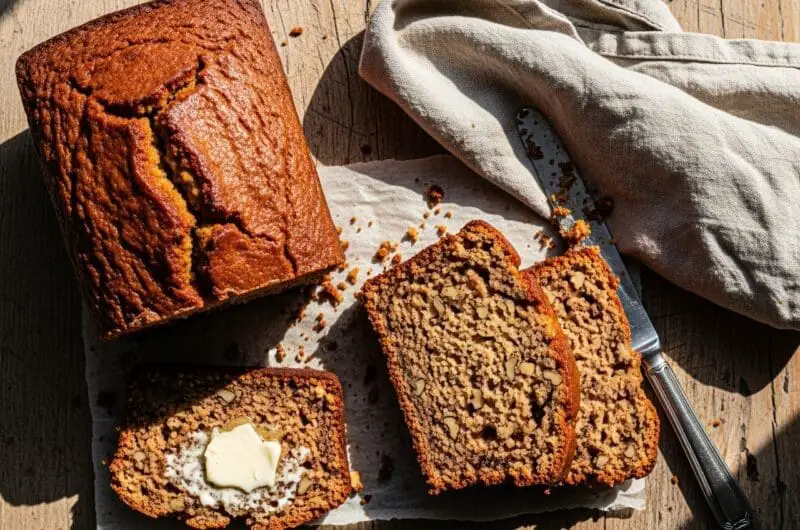
Forgiving Banana Bread (Even If You Forget the Eggs)
Course: Breakfast, Snack, DessertCuisine: American10
slices15
minutes55
minutes260
kcalThe banana bread that turned out better when I accidentally left out the eggs. Moist, sweet, and totally foolproof.
Ingredients
3 large ripe bananas (the browner the better)
1/3 cup melted butter (or 1/4 cup vegetable oil)
3/4 cup brown sugar (or 3/4 cup white sugar + 1 Tbsp molasses)
2 large eggs (or 1/2 cup applesauce if you forget them)
1 teaspoon vanilla extract
1 teaspoon baking soda
1/4 teaspoon salt
1 1/2 cups all-purpose flour
Optional: 1/2 cup chopped walnuts or chocolate chips
Directions
- Preheat your oven to 350°F and grease a 9×5-inch loaf pan with butter or cooking spray. You can also line it with parchment paper for easy removal. Set it aside while you mix the batter.
- Peel the bananas and mash them in a large bowl with a fork until mostly smooth — a few lumps are fine and actually give the bread nice texture. The riper and browner your bananas are, the sweeter and more flavorful the bread will be.
- Pour the melted butter into the mashed bananas and stir until combined. Then add the brown sugar and mix well until the sugar is fully dissolved into the wet mixture. This is your base, and it should look glossy and smell incredible.
- Beat in the eggs one at a time (or stir in the 1/2 cup of applesauce if substituting). Add the vanilla extract and stir everything until just combined. Don’t worry about getting it perfectly smooth.
- Sprinkle the baking soda and salt over the batter and stir them in. These need to be evenly distributed, so give it about 10 good stirs to make sure there are no pockets of baking soda hiding anywhere.
- Add the flour and fold it in gently with a spatula or wooden spoon until just combined. You should still see a few streaks of flour — overmixing is the enemy here and will make the bread tough. If you’re adding walnuts or chocolate chips, fold them in now.
- Pour the batter into your prepared loaf pan and spread it evenly. If you like, sprinkle a pinch of flaky sea salt on top. Bake at 350°F for 50 to 60 minutes, until the top is golden brown and a toothpick inserted in the center comes out clean or with just a few moist crumbs.
- Let the bread cool in the pan for 10 minutes, then turn it out onto a wire rack. Resist the urge to slice it immediately — it needs at least 15 more minutes to set up, or it’ll crumble apart on you. Once it’s cooled enough to handle, slice and serve warm with butter if you’re feeling fancy.
Notes
- If using applesauce instead of eggs, the bread will be slightly denser and fudgier. This is not a flaw — many people prefer it this way. Use unsweetened applesauce if you have it, but sweetened works fine too.
- Frozen bananas work great for this recipe. Let them thaw on the counter for about 30 minutes, then squeeze the banana out of the peel right into the bowl. They’re mushier than fresh bananas, which is exactly what you want.
- This bread keeps well wrapped in plastic wrap at room temperature for 3 days, or in the fridge for up to a week. It also freezes beautifully — wrap individual slices in foil, freeze, and pop them in the toaster straight from frozen.
Frequently Asked Questions
Q: Can I really just leave eggs out of banana bread entirely?
A: Not without a substitute. Eggs add structure and moisture, so if you skip them completely with nothing in their place, you’ll end up with a crumbly, dry loaf. But swapping in a quarter cup of applesauce or mashed banana per egg works perfectly. The texture changes slightly — a bit denser, a bit fudgier — but it still tastes great.
Q: What ingredients in baking can you never skip or swap?
A: Flour and leaveners (baking soda or baking powder) are the two you really can’t skip. Flour provides the entire structure, and leaveners are what make it rise instead of turning into a flat, dense puck. Salt is also hard to skip — it does more for flavor than you’d think. Everything else has some wiggle room.
Q: I don’t have brown sugar. Can I use white sugar in banana bread?
A: Yes. The easiest move is to mix one cup of white sugar with one tablespoon of molasses — that literally makes brown sugar. If you don’t have molasses, just use white sugar straight. Your bread won’t have quite the same caramel depth, but it’ll still taste like banana bread.
Q: How many substitutions can I make in one recipe before it stops working?
A: A good rule is no more than two or three swaps at once, especially in baking. Each substitution shifts the balance of moisture, fat, or acidity a little bit. One or two changes are usually fine. Five changes at once and you’re basically making a new recipe — which might be great, but it also might not rise.

