

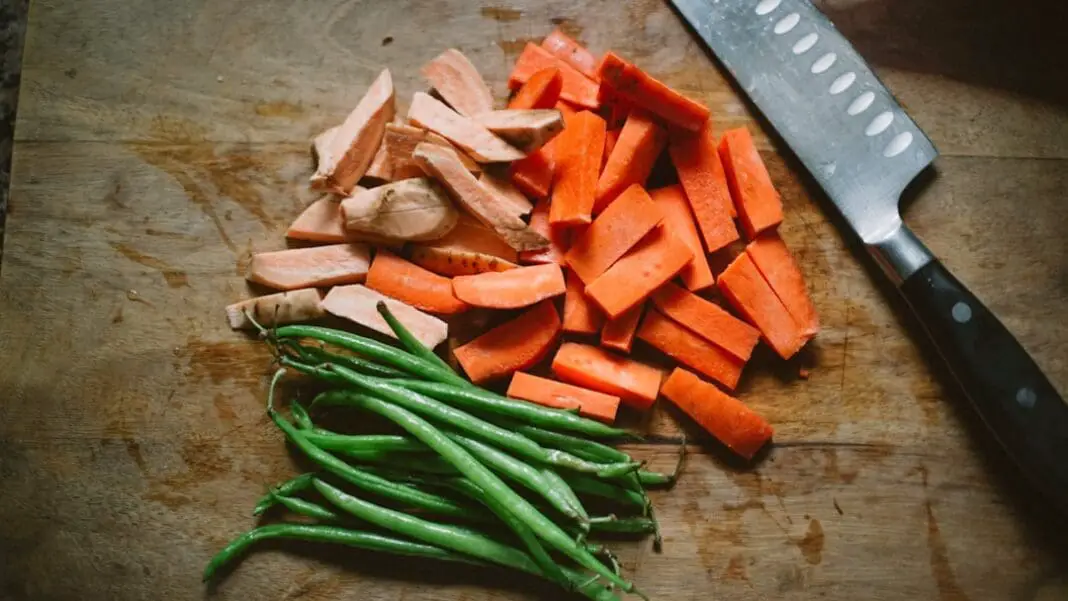
We all do it without thinking. You grab a carrot, slice it into little orange coins, and dump them in the pot. Feels efficient. Feels like the smart way to cook. But it turns out you might be tossing away the best part before the heat even gets a chance to do its thing. There’s one vegetable that comes out better when you keep your knife in the drawer until after it’s cooked, and once you hear why, you’ll feel a little silly about all the years you did it backwards.
The Vegetable You’re Slicing Way Too Early
It’s the carrot. The humble, dependable carrot that ends up in soups, roasts, and stir-fries across the country every single night. Most of us chop it first because that’s how Mom did it and that’s how the recipe is written. But when you cut a carrot into disks or batons and then drop it into boiling water, you’re basically opening up a bunch of tiny doors and letting the good stuff swim out into the pot.
British researchers actually tested this. They boiled carrots three ways: sliced into disks, cut into batons, and left whole. The whole carrots held onto far more of their natural flavor compounds than the cut ones. The difference was big too. Cooking carrots whole instead of in disks bumped up what stayed in the carrot by about 28 percent at the ten-minute mark. That’s not a rounding error. That’s a real chunk of the carrot leaking into water you’re about to pour down the drain.
Whole Carrots Just Come Out Better
The science backs it up, but honestly, you can taste it. A carrot cooked whole holds its shape, stays a little firmer, and keeps that sweet, deep carrot flavor instead of bleeding it into the cooking liquid. Cut carrots boiled in a pot of water tend to come out mushy, pale, and kind of watery. You’ve eaten them. They taste like nothing.
The simple rule the experts keep repeating is to cut your food after cooking, not before, whenever you can. When a carrot stays whole, less of its surface is touching the hot water, so less of it escapes. A cooking guide from a state university extension office says the same thing in plain English: boil or steam your vegetables whole or in large pieces. The bigger the piece, the less surface area, the more flavor and texture you keep. So cook those carrots whole or in fat chunks, pull them out, and slice them on the cutting board after. Five extra seconds, way better results.
Garlic Breaks Every Rule On This List
Now here’s the twist that trips people up. Garlic is the exact opposite. With garlic, you actually want to cut it early. You just don’t want to cook it right away. I know, I know, it sounds like I’m contradicting myself. Stick with me.
Raw garlic sits there full of two things, an amino acid called alliin and an enzyme called alliinase. On their own they’re boring. But the second you chop, mince, or crush a clove, those two crash into each other and create a compound called allicin, which is the thing that gives garlic its punchy, sharp, unmistakable kick. No chopping, no allicin. And here’s the catch: that enzyme is fragile and heat wrecks it. Throw freshly chopped garlic straight into a screaming hot pan and the heat kills the enzyme before the reaction even finishes. You end up with garlic that smells nice but tastes flat.
The 10-Minute Garlic Habit Worth Stealing
The fix is almost laughably easy. Chop or crush your garlic, then walk away for about ten minutes before it hits the pan. That short rest gives the reaction time to finish and build up all that bold flavor. Once it’s formed, it holds up fine to the heat. So the garlic survives the stove, it just needs a head start first.
The smartest move for a busy cook is to make garlic the very first thing you prep. Chop it, set it aside, and by the time you’ve washed and cut everything else, it’s already done its thing and is ready to go. Want it even stronger? Don’t just slice it. Chop the cloves, then mash them flat with the side of your knife until they look like paste. The more you beat up those cells, the bigger the flavor. Slicing gives you a mild result, crushing gives you a wallop.
Skip The Pre-Cut Bags At The Store
This is where I get a little fired up. Those bags of pre-sliced carrots, the tubs of diced onion, the jars of minced garlic floating in liquid. They feel convenient, but you’re paying extra for a worse product. The minute produce gets cut, it starts losing moisture and flavor. By the time that bag reaches your kitchen, the exposed edges have already gone soft and dull. You’re buying limp before you even open it.
And the money math is rough. You’re spending more for less freshness and less flavor. Whole carrots are some of the cheapest produce in the store, and they keep for weeks in the fridge. The pre-cut stuff costs double and turns to mush in a few days. Jarred garlic is the worst offender of the bunch. It’s been treated to last on a shelf, which means that enzyme reaction we just talked about is mostly dead on arrival. That’s why jarred garlic always tastes weirdly muted compared to a fresh clove. A whole head of garlic costs about fifty cents and runs circles around it.
Leave The Skins Alone Until After
Same logic applies to peeling, by the way. If you’re boiling carrots, potatoes, or beets, leave the skin on while they cook and peel them after. The skin acts like a wrapper that keeps the flavor and texture locked inside instead of letting it wash out into the water. A lot of people peel first out of habit, but you’re just stripping the protection off before the cooking even starts.
For a lot of vegetables you don’t even need to peel at all once they’re cooked. The skin softens up and you’ll barely notice it. But if you really want it gone, boiled potatoes and beets practically slip out of their skins once they’re done and cooled a bit. Way easier than wrestling a raw beet with a peeler anyway.
Small Tweaks That Make A Big Difference
While we’re fixing kitchen habits, here are a few more that cost you nothing and pay off every time. Use as little water as you can when you boil vegetables. The more water in the pot, the more flavor escapes into it, so a shallow pan beats a giant stockpot. Put a lid on the pot too, since it cooks faster and keeps things from drying out.
Don’t overcook. Pull your vegetables the moment they’re just tender, not when they’re falling apart. And that leftover cooking water? Don’t dump it. It’s loaded with the flavor that leached out, so save it for soup or stew. Steaming is another trick worth using more often, since the vegetables never sit in water at all. One last thing on garlic: it loses its punch pretty fast after cutting, so use it the same day. If you’ve got extra, the freezer slows down the fade. The garlic also pairs great with a little olive oil; let your chopped cloves sit in the oil for a bit and you’ll infuse the whole batch with flavor.
The Short Version
Remember it this way. Carrots and other dense root vegetables go in the pot whole, then you cut them after they’re cooked. Garlic gets cut first, then rests about ten minutes, then cooks. Skip the pre-cut bags and the jarred garlic, leave the skins on while things boil, and keep your water shallow. None of this takes extra effort. It’s just doing the same steps in a smarter order. The carrot in your fridge has been waiting for you to figure this out. Now you have, so go cook the thing whole and taste the difference for yourself.

