

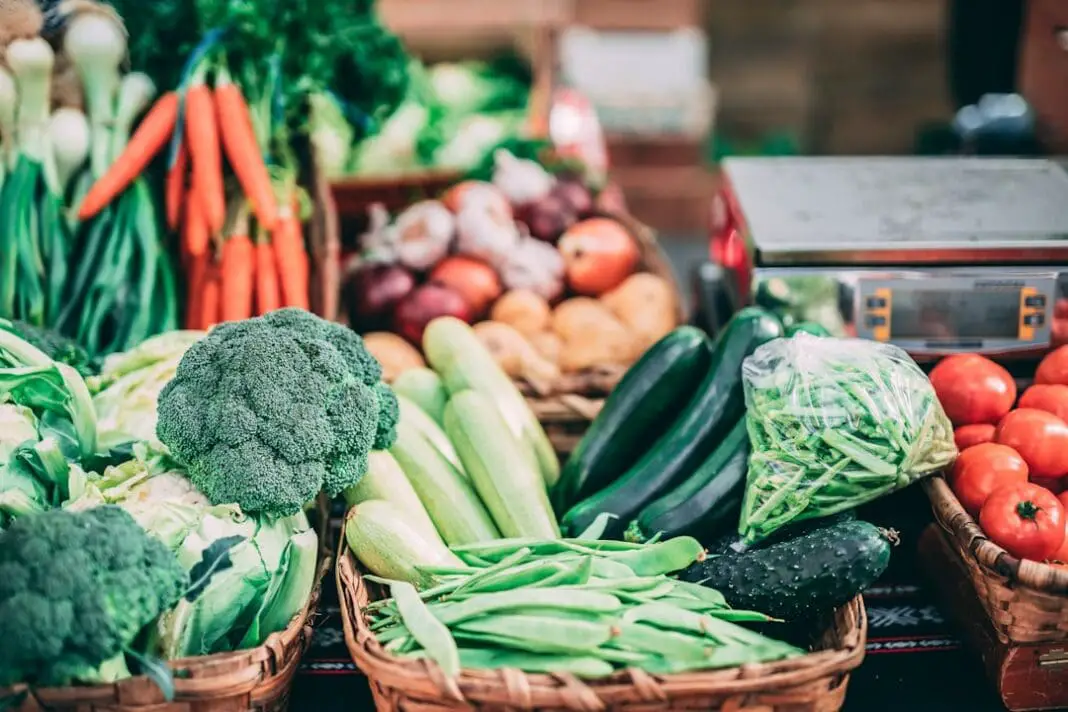
Walk through the produce section of any grocery store and you’ll pass right by it. It’s pale and kind of homely, with a purple-tinged top and a shape stuck somewhere between a potato and a beet. Most people have no clue what to do with it, so they grab a bag of baby carrots and keep moving. I’m talking about the turnip, and Americans have pretty much broken up with it.
This thing fed entire civilizations for thousands of years. It kept families alive through brutal winters and lean times. And now it sits in the corner of the produce aisle collecting dust while bagged kale and rainbow peppers steal all the attention. That’s a shame, and I’m going to make the case for why this dusty old root deserves a spot back on your plate.
America Literally Voted It The Most Hated Vegetable
This isn’t me being dramatic. When a national survey asked people which vegetable they hate the most, the turnip took the crown with 27% of folks naming it their least favorite. Beets came in second at 26%, radishes at 23%, and Brussels sprouts at 21%. So the turnip officially beat out some real heavy hitters in the unpopularity contest.
Here’s the part that gets me, though. That same survey found that over a quarter of people admit they never eat vegetables at all, and of the folks who do, only about a third of their meals include one. Meanwhile, America’s favorite vegetables are corn, potatoes, and carrots, which are about as exciting as a beige wall. We picked the three most familiar, easy options and shoved everything else aside. And get this: 72% of people said they wish they ate more veggies, and 67% feel guilty when they skip them. So we know we’re missing out. We just keep buying the same boring stuff.
This Root Fed The World For 4,000 Years
The turnip has been farmed for over 4,000 years. It fed ancient Rome. It carried medieval Europe through winters when nothing else would grow. People planted it because it was tough, it stored for months in a cellar, and it kept showing up to dinner when the fancier crops failed. You don’t earn that kind of track record by being useless.
It belongs to the same family as broccoli, cabbage, and kale, which are all vegetables people happily pay good money for now. The turnip just never got the rebrand. It’s been quietly sitting forgotten in the produce aisle while trendier vegetables hog the spotlight. Funny how the one that actually saved people’s hides during hard times is the one we shrug off.
It’s Basically A Cheaper, Lighter Potato
Here’s the trick nobody talks about. If you mash a turnip the same way you mash a potato, you get something close to the real thing for a fraction of the cost and a fraction of the heaviness. A cup of diced turnips runs about 36 calories. A cup of diced potatoes is a little over 100. And the carbs aren’t even close: turnips land around 8 grams a cup, while potatoes pack about 24, roughly three times as many.
The gap gets even wilder when you mash them. A cup of mashed turnips has under 12 grams of carbs. The same scoop of mashed potatoes? Around 44. So if you’re somebody who likes a big plate of comfort food but doesn’t love the food coma that follows, this is a swap worth knowing about. It’s not a sad diet substitute either. The turnip’s carb count sits right next to its cousins broccoli and kale, not in the heavy starch club with potatoes, sweet potatoes, and parsnips.
The Reason You Probably Hated It Is You Bought The Wrong One
If you tried a turnip once and decided it tasted like dirt mixed with regret, I get it. But the odds are good you grabbed a giant one. The big, old turnips are exactly the ones that turn bitter and woody. The move is to look for smaller, firm, fresh ones. The smaller they are, the sweeter and milder they taste. Squeeze it. If it gives or feels spongy, leave it. You want it heavy and solid in your hand.
People also tend to forget the greens. The leafy tops are an entire second vegetable for free. They’ve got an earthy, slightly peppery bite, kind of like a cross between spinach and mustard greens, and they cook down fast in a hot pan with some garlic. You’re literally throwing away half the plant if you toss those in the trash.
Ways To Cook It So It Actually Tastes Good
The fastest path to liking turnips is the air fryer. Cut them into chunks, toss with olive oil, fresh garlic, rosemary, salt, pepper, and a little Parmesan, and they’re done in under 20 minutes. They crisp up on the edges and go soft in the middle, basically a roasted potato with a nuttier, slightly sweet flavor. It’s the kind of thing where you make it once and start wondering why you ignored these for years.
Mashing is the other easy win. One home cook who swapped turnips into her mashed side dish put it bluntly, saying that now they rarely serve plain mashed potatoes anymore. You can also braise them low and slow in chicken broth with a pat of butter for a warm winter side, then sprinkle some chopped tarragon on top. Roast them, fry them, throw raw thin slices into a salad for crunch. The point is they’re as flexible as a potato, so any potato recipe you already love is a starting line.
One more reason this matters: the top complaints about vegetables in that survey were that they spoil too fast and cost too much. The turnip answers both. It’s cheap as dirt, and it keeps in your fridge for weeks without going slimy on you. For a vegetable people claim to hate, it solves the exact problems people say keep them from eating vegetables.
The Turnip Isn’t The Only One We Ditched
Once you start looking, there’s a whole graveyard of vegetables Americans used to eat and just walked away from. Before supermarkets overflowed with glossy bell peppers and bagged salad kits, people cooked with a much wider lineup. Now a bunch of those old standbys have slipped into obscurity, pushed out by whatever was prettier, easier, or sat on a shelf longer.
Take salsify, nicknamed the oyster plant because of its mild seafood-like taste. Or cardoon, which looks like giant celery and tastes like an artichoke. Chicory root used to show up in New Orleans coffee. There’s also a plant called alexanders that Europe grew for centuries before plain old celery and parsley elbowed it out. These weren’t bad foods. They just lost the popularity contest to crops that were simpler to ship and stack.
The same thing happened with the turnip’s cousins. Rutabaga, which is basically a turnip crossed with cabbage, was a wartime workhorse because it stored forever and turned into hearty soups, stews, and mashes when food was scarce. Parsnips, which look like pale carrots, got people through harsh seasons too. Kohlrabi, sorrel, and others all helped our grandparents stretch a thin pantry. They didn’t disappear because they stopped being good. They disappeared because we got lazy and the grocery store made it easy to.
Where To Start If You’re Curious
You don’t have to go full pioneer and plant a winter garden. Most regular grocery stores carry rutabaga, parsnips, and turnips year-round, usually for a couple bucks. If you want to branch out, daikon and jicama are easy to find too, and both bring something different to the table. Daikon is a big mild radish that’s great roasted or thrown into a stir fry, and jicama is crunchy and a little sweet, perfect raw with lime and chili. These five lesser-known roots are genuinely easy to slip into meals you already make.
My honest advice: next time you’re at the store, grab one or two small turnips and a single rutabaga. Cube them up, toss them in with your usual roasted potatoes, and see what happens. Worst case, you’re out maybe three dollars. Best case, you find a side dish you’ll come back to all winter and you stop being one of the millions of Americans walking past it like it’s invisible.
The turnip got voted the most hated vegetable in the country, sure. But that vote came from people who mostly never learned to cook it, bought the wrong size, and gave up after one bad bite. That’s not the turnip’s fault. It fed the world for four thousand years and it’s still cheap, sturdy, and quietly waiting in the corner of the produce aisle. Give it a real shot. The thing nobody eats anymore might just earn a permanent place in your kitchen.

