

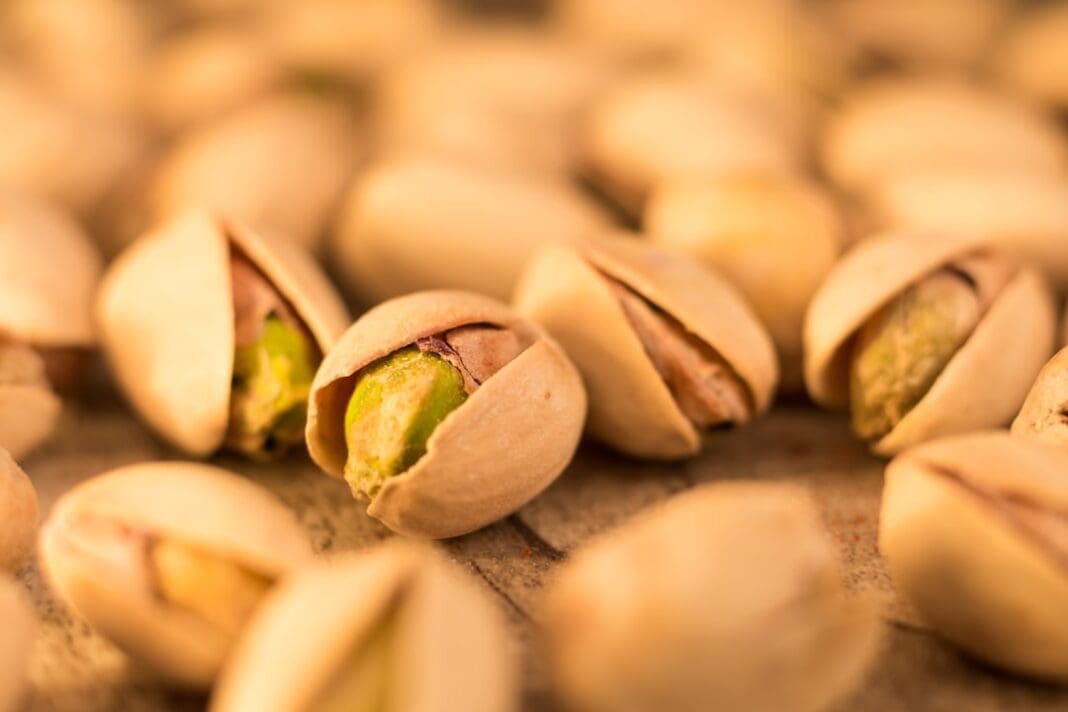
There’s something weirdly satisfying about cracking open a pistachio. That little pop, the twist of your fingers, the reward inside. And then you’ve got the shells. Most of us sweep them into the trash without a second thought, and by the time you finish a bag you’ve got a small mountain of them. Here’s the thing though. Those shells are tougher, more useful, and honestly more interesting than the nut you just ate. People have been quietly using them for gardening, crafts, cleaning, and starting fires for years. Once you know what they can do, throwing them out starts to feel like a waste. So before you dump that bowl into the garbage, read this.
Toss Them In Your Compost (But Not Too Many)
Pistachio shells are what compost nerds call a “brown,” meaning they’re carbon-rich, like dead leaves, straw, and cardboard. They balance out all the “greens” you throw in, like coffee grounds, veggie scraps, and grass clippings. The one rule to remember is not to go overboard. According to garden experts, you want no more than about a half gallon of shells per 64 gallons of compost. Dump in too many and they’ll just sit there, since they break down slowly. Crush them up first with a rolling pin or the bottom of a heavy mug so they rot faster. Some people even soak the shells in a bucket of water overnight to soften them, then pour the whole thing, water and all, into the pile the next day.
One heads up: if your pistachios were salted, rinse the shells and let them dry first. Too much salt in your soil makes plants wilt, and there’s no reason to sabotage your tomatoes with the leftovers of a snack.
Fill The Bottom Of Your Big Planters
If you’ve ever bought a giant decorative planter and then panicked at how much potting soil it takes to fill, this one’s for you. Most plants don’t need their roots reaching all the way to the bottom of a huge pot. So instead of dumping in bag after bag of expensive soil, throw a layer of pistachio shells down first. They take up space, they weigh way less than rocks or gravel, and they let water drain through instead of pooling around the roots. That last part matters, because soggy roots are how a lot of houseplants meet their end.
The standard move is about an inch of shells at the bottom before you add soil. Because they’re so light, you can actually pick up and move the pot afterward without throwing out your back. Try that with a planter full of stones.
Use Them As Mulch And Slow-Release Plant Food
Spread a layer of shells over your garden beds and they work a lot like the bark mulch you’d buy at the store. They block sunlight from hitting the soil, which keeps weeds from sprouting, and they help the ground hold onto moisture so you’re not watering every single day. They also look kind of nice, with that natural beige color, if you’re into a rustic garden vibe. Mix them with wood chips, leaves, or bark for the best results.
Here’s the bonus. As those shells slowly break down over a year or two, they feed the soil. They carry minerals like calcium, magnesium, and phosphorus that plants actually want. Grind them into a fine powder and scatter it on top of potting soil, and you’ve basically made a slow-release fertilizer that trickles nutrients out every time you water. Their rough texture also loosens up heavy clay dirt, which is a huge help if your yard is more brick than garden.
Keep Slugs, Squirrels, And Other Pests Away
Slugs and snails are the worst. They show up overnight and turn your hostas into lace. Pistachio shells fight back for you. Sprinkle a line of them around a single plant or the whole edge of your garden and you’ve built a little wall. The sharp, jagged edges are miserable for anything that moves by sliding, so slugs and snails just turn around and leave. It’s a trick gardeners have used with all kinds of kitchen scraps.
It’s not just the small stuff either. A generous layer of shells around your outdoor plants makes the soil less inviting to squirrels, chipmunks, and raccoons that love to dig things up. Even indoors, tossing some shells on top of a houseplant’s soil can stop a curious pet or critter from making a mess. Just remember the salt rule and rinse them if they came from a salted bag.
Turn Them Into Fire Starters
Pistachio shells are basically tiny pieces of wood, which makes them great for getting a fire going. If your fire is dying down, toss in a handful or two and watch it perk back up. They also make solid kindling for a wood stove or an enclosed fire pit. The classic method is to crumple a few shells inside a sheet of newspaper before you light it, which keeps them from popping out and rolling across the floor.
One practical note. Nut shells hold onto natural oils, and those oils pop and sizzle when they hit high heat. So around an open campfire, give them some room and don’t lean in close while they catch. In a contained stove or fireplace, it’s a non-issue. Save up a jar of shells through the winter and you’ll never scramble for kindling again.
Make Crafts That Don’t Look Like Junk
This is where pistachio shells get surprisingly fun. That curved, oval shape looks a lot like a flower petal, and once you notice it you can’t unsee it. People glue them onto canvas to make three-dimensional wall art, arranging them into flowers, leaves, and seashells, then adding twine or paint for texture. You can build painted floral wreaths, little decorative trees, and hanging succulent displays. Kids love turning them into fish scales on a paper fish or a shaker-style rain stick.
If you want to get fancier, the shells work as tiny mosaic tiles for picture frames, vases, and mirrors. Some crafters even coat them in resin to make necklaces and earrings with an earthy, one-of-a-kind look. Designers in France and India are already selling jewelry and decorative bowls made from pistachio shells, so you’d be in good company. Just rinse and dry your shells first and keep a stash in a jar for your next rainy afternoon.
Freshen Up A Room Or Scrub A Sink
Pistachio shells are porous, which is a boring word for a genuinely useful trait: they soak up scent and hold it. Let some shells sit in a few drops of your favorite scented oil for a couple of hours, then mix them with dried flowers in a decorative dish and you’ve got homemade potpourri. Fill a small muslin bag with crushed shells and a little oil, tuck it in a closet or a drawer, and it works like a subtle air freshener that also absorbs stale odors.
They pull their weight in cleaning too. Grind the shells into a coarse powder, mix it with baking soda and a few drops of oil, and you’ve made a scouring scrub for sinks and tubs that scrubs off grime without scratching. The same idea works on grubby garden tools, patio furniture, and a crusty grill. Mix the powder with a little dish soap and water into a paste and go to town. As always, test a hidden spot first so you know it won’t mar the surface.
Build A Garden Path On The Cheap
Gravel is expensive and heavy, and hauling bags of it is nobody’s idea of a good Saturday. Crushed pistachio shells do a shockingly good imitation. Layer them around stepping stones or spread them along a walkway and you get a rustic, crunchy path that water drains right through. Because they’re so durable, they hold up underfoot for a long time, and as the bottom layers slowly break down they feed the soil around them. It’s the kind of permeable material that costs you nothing but a few weeks of snacking.
So Where Do You Start?
You don’t need to do all of this. Pick one. If you have a garden, start a shell jar for compost or mulch and you’ll be shocked how fast it fills up. If you’re the crafty type, save a batch and try the flower wall art. If you camp or have a fireplace, that jar of kindling will pay off the first cold night. The whole reason pistachios come in the shell is that growers save money by not cracking them for you, so the split shells land in your bowl by design. Might as well get something out of the deal. Next time you polish off a bag, set the bowl aside instead of dumping it. Future you, standing in the garden or fumbling for kindling, will be glad you did.

