

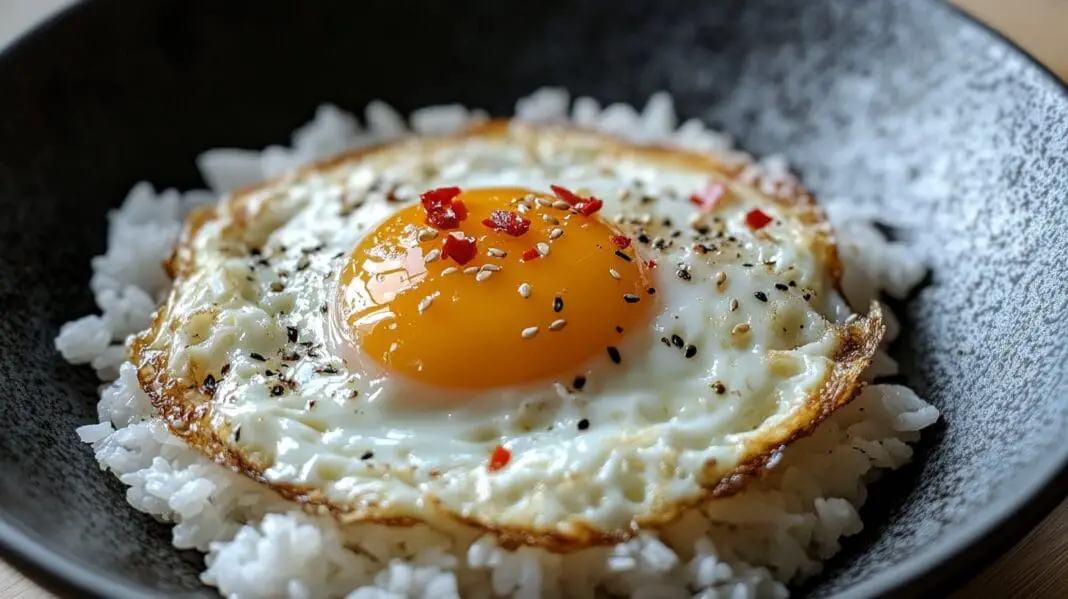
For years I fried my eggs in butter like it was the only option my kitchen allowed. Then I scorched one too many pans and finally started paying attention. Butter browns and smokes fast, around 300 degrees, which means it goes from golden and nutty to bitter in a matter of seconds. Olive oil holds up to heat better, but it brings its own strong, grassy taste to the pan, and not everyone wants their morning egg tasting like the bottom of a salad bowl. There is a better fat already sitting in most pantries, and once you cook an egg in it, going back feels like a downgrade.
That fat is toasted sesame oil. It sounds unusual for breakfast if you grew up on butter, but the idea is not new. In plenty of Filipino homes, a fried egg over hot rice is a standard morning plate, and the little glug of sesame oil is what makes it sing. I picked it up years ago and it quietly took over my stove.
Why Sesame Oil Beats Butter and Olive Oil
The whole point of frying an egg in fat is flavor and texture, and this is where sesame oil pulls ahead. It adds an immediate nutty, toasty taste that wraps around the whites without fighting the yolk. Butter gives you richness but burns before you get real browning. Olive oil can taste sharp and heavy on a delicate egg. Sesame oil lands in the sweet spot: bold, savory, and honestly a little addictive.
It also plays well with what most people actually eat with eggs. A fried egg cooked in sesame oil is built for a bowl of rice, a piece of toast, or a plate of fried rice. One person who grew up on this method now uses it over her mother’s old olive oil habit, and the reason she gives is simple: it is just more delicious. That matches my own experience. The flavor does something butter and olive oil never managed.
How to Fry the Perfect Sesame Oil Egg
You do not need much. Set a nonstick skillet over medium heat and give it a minute to warm up. Pour a tiny glug of toasted sesame oil straight into the pan, about a teaspoon or two, and swirl it so it coats the bottom. Let it shimmer, but do not let it start smoking.
Crack your egg into a small bowl first, then slide it gently into the pan. This little step saves you from broken yolks and stray shell bits, and it lets the egg settle into the oil in one clean piece. Season the whites with a pinch of kosher salt right away, and a little black pepper if you want it. Then leave it alone. The magic happens when the hot oil bubbles up around the edges and creates a lacy, golden rim. If you want the crispiest possible whites, tilt the pan and spoon the hot oil over the top as the egg cooks. Pull it off the heat when the whites are fully set and the yolk is as runny or firm as you like.
The Chili Crisp Upgrade Worth Trying
If you want to make this even better with almost no effort, add a dab of chili crisp to the pan right alongside the sesame oil. Chili crisp is that spicy, crunchy, oil-based condiment sold in most grocery stores now, usually near the hot sauce or the international aisle. Lao Gan Ma is the classic jar, and there are plenty of others.
Spoon about a tablespoon into the hot oil during the last minute so it warms up and sizzles into the crispy edges of the egg. You end up with what a lot of people just call chili crisp fried eggs, and they are ridiculously good over rice. This is the same idea a chef pointed to when he suggested tossing seeds or salsa macha into the pan for a fast flavor boost. A little heat, a little crunch, and a runny yolk running through all of it.
Common Mistakes That Ruin a Fried Egg
The biggest mistake is treating sesame oil like butter and cranking the heat until it smokes. Toasted sesame oil is a strong, flavorful oil, so it likes medium heat, not a screaming hot pan. Too hot and the nutty flavor turns harsh instead of toasty.
The second mistake is using too much of it on your first try. Toasted sesame oil is far more assertive than the light, untoasted kind. If you are nervous about the taste, cut it with a teaspoon of a neutral oil like avocado or canola for your first few eggs, then bump up the sesame ratio once you know how much you like. A third common slip is crowding a cheap pan. A quality nonstick skillet means you need less oil to keep eggs from sticking, and a flexible silicone spatula lets you slide right under for a clean lift. Some cooks swear by butter for its classic taste, but even fans admit it burns much faster than most oils, which is exactly the problem sesame oil solves.
What to Serve With Your Sesame Oil Eggs
This egg was made for rice. A warm bowl of white rice with a sesame oil egg cracked over the top, yolk broken and running into the grains, is one of the easiest good breakfasts you can make. Day-old rice turned into quick fried rice works even better, since the sesame flavor ties everything together.
It is not just a rice thing, though. Slide one onto buttered toast, tuck it into a breakfast taco on a toasty corn tortilla, or drop it over a bowl of noodles. The nutty oil and crispy rim give you a range of textures, from the golden crust to the set whites to that soft center, all in one small egg. Add a scatter of toasted sesame seeds and sliced green onion and it looks like you actually tried.
A Few Ways to Make It Your Own
Once the basic method clicks, you can play. A drizzle of soy sauce or a shake of furikake over the finished egg leans into the savory side. A squeeze of sriracha or a spoon of chili crisp adds heat. Some cooks like to layer their fats, starting with a neutral oil and finishing with a nut oil at the very end for a burst of flavor. Sesame oil works beautifully as that finishing note too.
One practical tip: keep your sesame oil in a cool, dark spot like a cabinet away from the stove. Stored right, it stays fresh for a couple of months with no worries about it turning. Buy a middle-of-the-road bottle to start, something like Kadoya or a store brand, before you splurge. The whole reason this beats butter and olive oil is that it is easy, cheap, and full of flavor, so keep it that way.
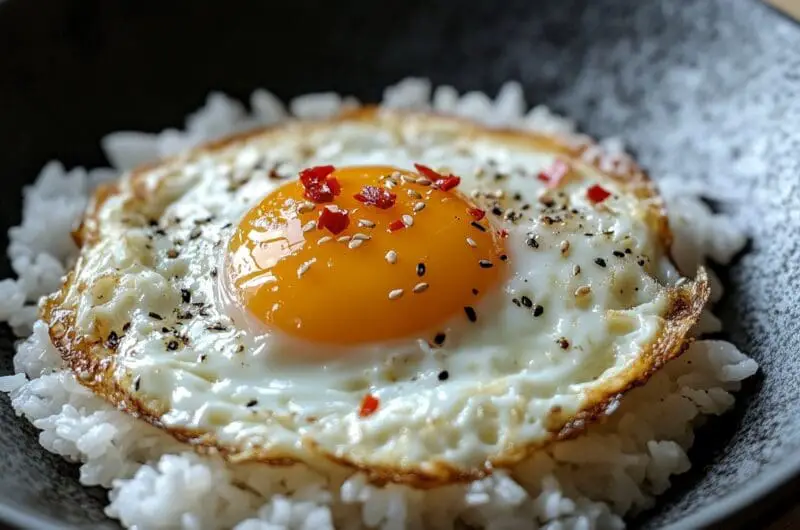
Sesame Oil Fried Eggs Over Rice
Course: BreakfastCuisine: Filipino2
servings2
minutes5
minutes180
kcalThe crispy, nutty fried egg that beats butter and olive oil every single morning.
Ingredients
2 large eggs, ideally room temperature
1 to 2 teaspoons toasted sesame oil
1 pinch kosher salt
1 teaspoon neutral oil like avocado or canola (optional, to cut the sesame flavor on your first try)
1 tablespoon chili crisp (optional)
Freshly cracked black pepper, to taste
1 warm bowl cooked white rice or fried rice, for serving
1 teaspoon toasted sesame seeds (optional garnish)
2 teaspoons sliced green onion (optional garnish)
Directions
- Set a nonstick skillet over medium heat and let it warm for about a minute. If you are new to sesame oil’s bold taste, stir your toasted sesame oil together with a teaspoon of neutral oil so the flavor is not too strong the first time around.
- Pour the toasted sesame oil straight into the pan, about 1 to 2 teaspoons. Swirl it so it coats the bottom and let it shimmer, but do not let it start to smoke.
- Crack each egg into a small bowl first, then gently slide it into the hot pan. This keeps the yolks whole and stops any stray shell from landing in your breakfast.
- Season the whites with a pinch of kosher salt and a little black pepper right away. Let the eggs cook undisturbed so the edges bubble up and turn lacy and golden.
- For crispy rims, tilt the pan slightly and spoon the hot oil over the whites as they set. Cook until the whites are fully solid and the yolk is as runny or firm as you like.
- If you want the chili crisp version, spoon a tablespoon of chili crisp into the pan next to the egg during the last minute so it warms and sizzles into the edges.
- Slide the finished eggs out onto a warm bowl of white rice or fried rice. Scrape any crispy bits and leftover oil from the pan over the top.
- Finish with toasted sesame seeds and sliced green onion if you like. Serve right away while the yolk is warm and the rims are still crunchy.
Notes
- Store toasted sesame oil in a cool, dark spot like a cabinet away from the stove, and use it within a couple of months for the freshest flavor.
- A good nonstick pan means you need less oil to keep eggs from sticking, and a flexible silicone spatula makes flipping and sliding easy.
- Toasted sesame oil is much stronger than the light, untoasted kind. Start with less and add more once you know how much you like.
Frequently Asked Questions
Q: Should I use toasted sesame oil or regular sesame oil?
A: For frying eggs, toasted sesame oil is the one you want because it carries that deep, nutty flavor. The light or untoasted kind is milder and does not give you the same taste. If the toasted version feels too strong at first, cut it with a little neutral oil until you get used to it.
Q: Will sesame oil smoke or burn in the pan?
A: Keep the heat at medium and it holds up fine. Sesame oil handles cooking heat much better than butter, which starts to brown and burn around 300 degrees. The trick is to warm the oil until it shimmers, not until it smokes, since too much heat turns the nutty flavor harsh.
Q: Do I have to serve these eggs over rice?
A: Not at all. Rice is the classic pairing and it is hard to beat, but a sesame oil egg is great on toast, in a breakfast taco, or over noodles. Anywhere you would normally put a fried egg, this one fits and brings more flavor.
Q: Can I still get crispy edges without a nonstick pan?
A: You can, but you will need more oil to keep the egg from sticking, and it takes a little more care. A quality nonstick skillet or a well-seasoned cast-iron pan makes crispy, lacy rims much easier with just a teaspoon or two of sesame oil.

