

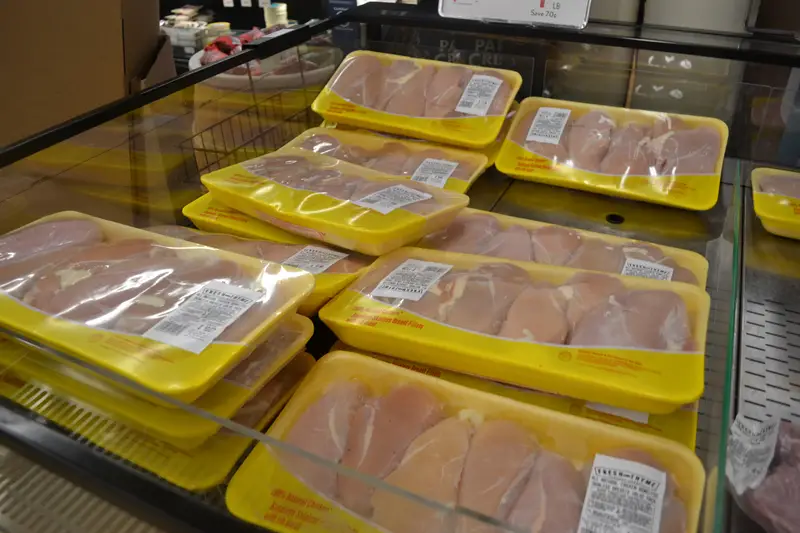
You get home from the grocery store, start unpacking bags, and there it is. A package of chicken sitting in a puddle of pink liquid. Your first instinct is probably to recoil a little. Maybe you wonder if you just bought a package full of blood. Maybe you consider tossing the whole thing in the trash. I get it. That pink juice looks suspicious, and nobody wants to play guessing games with raw poultry.
But before you do anything drastic, let me save you some money and some worry. That pink liquid almost certainly isn’t what you think it is, and knowing what to actually do with it is going to make your next grocery trip a lot less stressful.
No, It’s Not Blood
Let’s get the biggest misconception out of the way right now. That pink juice is not blood. I know it looks like blood. I know it feels like it should be blood. But according to the USDA, blood is removed from poultry during slaughter, and only a tiny amount remains in the muscle tissue afterward. If a chicken were improperly bled, it would have bright cherry red skin and would be flagged and removed by federal inspectors before it ever reached the store shelf.
So what is the pink stuff? It’s mostly water mixed with a protein called myoglobin. During processing, chickens go through a chilling step where they absorb water. That water eventually seeps back out as the chicken sits in the package, and because myoglobin has a pinkish hue, the liquid looks pink. That’s it. Water and protein. Not a horror movie.
Why There’s More Liquid in Some Packages Than Others
Ever notice that some packages have barely any liquid while others look like they’re about to overflow? A few things affect this. Vacuum sealed or tightly wrapped packages tend to trap more moisture because the liquid has nowhere to go. It can’t evaporate, and the airtight environment gradually pulls liquid from the meat over time.
Packages that have been sitting on the shelf longer will also accumulate more of this liquid. If you’ve ever bought chicken close to its sell by date and noticed a lot of pink juice, that’s why. The longer it sits, the more moisture escapes. And if the chicken was previously frozen and then thawed for sale (which happens more often than people realize), expect even more liquid in the package. Freezing breaks down cell structures in meat, which means more moisture gets released once it thaws.
That Spongy Pad at the Bottom Is Doing Important Work
While we’re on the subject, let’s talk about the thing sitting underneath the chicken. That spongy, paper like pad at the bottom of the package has a real job, and no, it’s not just there for decoration. People in the industry sometimes call it a “meat diaper,” and honestly, that’s pretty accurate.
The pad is an absorbent material designed to soak up the liquid (which professionals call “purge”) that seeps out of meat during handling, transport, and storage. Every material used in those pads has to be approved by the FDA before it can come in contact with food. The pad keeps that pink liquid from pooling and creating a mess, and it also traps bacteria that might be present in the liquid.
Quick note on this: always remove the absorbent pad before cooking. If you accidentally cook it and it stays intact (not melted or broken apart), the USDA says the meat is still fine. But if the pad has melted, ripped open, or changed shape during cooking, toss the chicken. And obviously, don’t eat the pad itself.
When the Pink Liquid Is Actually a Problem
A normal amount of pink liquid in chicken packaging is nothing to worry about. But there are some situations where that liquid should raise your eyebrows.
If the chicken is practically swimming in liquid, that’s a sign the meat is losing a lot of moisture, likely because it’s been sitting around for a while. All that juice leaving the meat means you’re going to end up with dry, disappointing chicken once it’s cooked, even if it’s technically still safe. Think of it this way: the flavor and moisture that should be in your dinner is now sitting in the bottom of the tray.
The bigger concern is if the packaging is torn, cracked, or leaking. A damaged package isn’t just gross when juices drip on your other groceries. It means the seal that was keeping outside bacteria away from the chicken has been broken. Even if the chicken is well within its sell by date, compromised packaging makes it a gamble. If you see a leaky package at the store, skip it. And if you find the leak at home, consider whether you’re comfortable with the risk.
Also watch for bloated or puffy packages. Sometimes that’s just an air pressure change during shipping or storage. But it can also be a sign that bacteria inside the package are producing gas. If you see a bloated package paired with a funky smell when you open it, that chicken needs to go straight into the trash.
How to Know If the Chicken Itself Has Gone Bad
Since the pink liquid alone doesn’t tell you much about freshness, you need to know the actual signs of spoiled chicken. There are three things to check, and you should check all three, not just one.
First, color. Fresh raw chicken should be light pink with white pieces of fat. If the flesh has turned gray, green, or a dull yellowish color, spoilage has set in. A little bit of darkening when exposed to air is normal, but anything dramatic is a red flag.
Second, smell. Fresh chicken has very little odor. If it hits you with a sour, sulfur like, or rotten egg type smell the moment you open the package, don’t try to salvage it. Just toss it. That said, don’t rely on smell alone, because some people aren’t great at detecting subtle off odors, and sometimes chicken can be past its prime without an obvious stench.
Third, texture. Raw chicken straight out of the pack can feel a little wet or slippery, and that’s normal. But if it feels genuinely slimy, sticky, or tacky after you pat it with a paper towel, something is off. Fresh chicken should be firm and moist, not like it’s coated in a film.
What to Do at the Grocery Store
A little awareness at the store goes a long way. The USDA recommends putting packages of chicken in a disposable plastic bag before putting them in your cart. This contains any leakage so it doesn’t drip onto your produce, bread, or anything else you don’t want raw chicken juice on.
Pick up your chicken last, right before you head to checkout. It should feel cold to the touch. If it’s sitting at room temperature in the display or feels even slightly warm, leave it. And when you get home, get it into the fridge immediately. If you’re making a long drive, a cooler bag is worth the effort.
Handling That Pink Liquid at Home Without Making a Mess
Here’s where people get into trouble. That pink liquid carries the same bacteria as the raw chicken itself, and if it drips onto your counter, cutting board, or other food, you’ve got a cross contamination situation on your hands.
Store raw chicken on the lowest shelf of your refrigerator so nothing drips down onto other food. Open the package carefully over the sink. Don’t pour the liquid down the drain in a dramatic splash that sends droplets everywhere. Just tip it gently, and then immediately clean the sink and any surfaces the liquid touched.
And here’s a big one: do not rinse your chicken. I know some people swear by it, but the USDA specifically warns against it. Rinsing chicken doesn’t remove bacteria. What it does is splash contaminated water onto your sink, countertops, dish rack, and anything else within a few feet. You’re creating more problems than you’re solving.
A pro tip borrowed from restaurant kitchens: use color coded cutting boards. Yellow for poultry, red for other meat, green for produce. It sounds a little over the top for a home kitchen, but once you start doing it, you’ll wonder why you didn’t start sooner. It takes the guesswork out of “did I cut chicken on this board earlier?”
Pink Liquid After Cooking? That’s a Different Story
Some people cook their chicken, see pink juices running out, and panic. But the old rule about “juices running clear means it’s done” isn’t actually reliable. Here’s why.
Myoglobin changes color when it’s heated, which is what causes meat juices to go from pink to clear. But the temperature at which this color change happens depends on the pH of the meat, which varies from bird to bird based on genetics and conditions before processing. In some cases, chicken might reach 170 or even 180 degrees and still have slightly pink juices, especially in dark meat like thighs and drumsticks. In other cases, juices can run clear at temperatures as low as 150 degrees, which is not a safe temperature for poultry.
The only way to know your chicken is properly cooked is with a meat thermometer. Insert it into the thickest part of the meat, away from bone, and make sure it reads 165 degrees Fahrenheit. That’s your number. Not the color of the juices, not the color of the meat, not how long it’s been in the oven. Just the temperature.
The Short Version
Pink juice in your chicken package is normal. It’s water and myoglobin, not blood. A small amount is expected, and it doesn’t mean anything is wrong with your chicken. Contain the package in a plastic bag at the store, store it properly in the fridge, handle the liquid carefully to avoid spreading it around your kitchen, and skip the rinse. If the package is leaking, torn, or bloated with an off smell, pass on it. And when you cook it, trust a thermometer over your eyes. That’s really all there is to it.

