

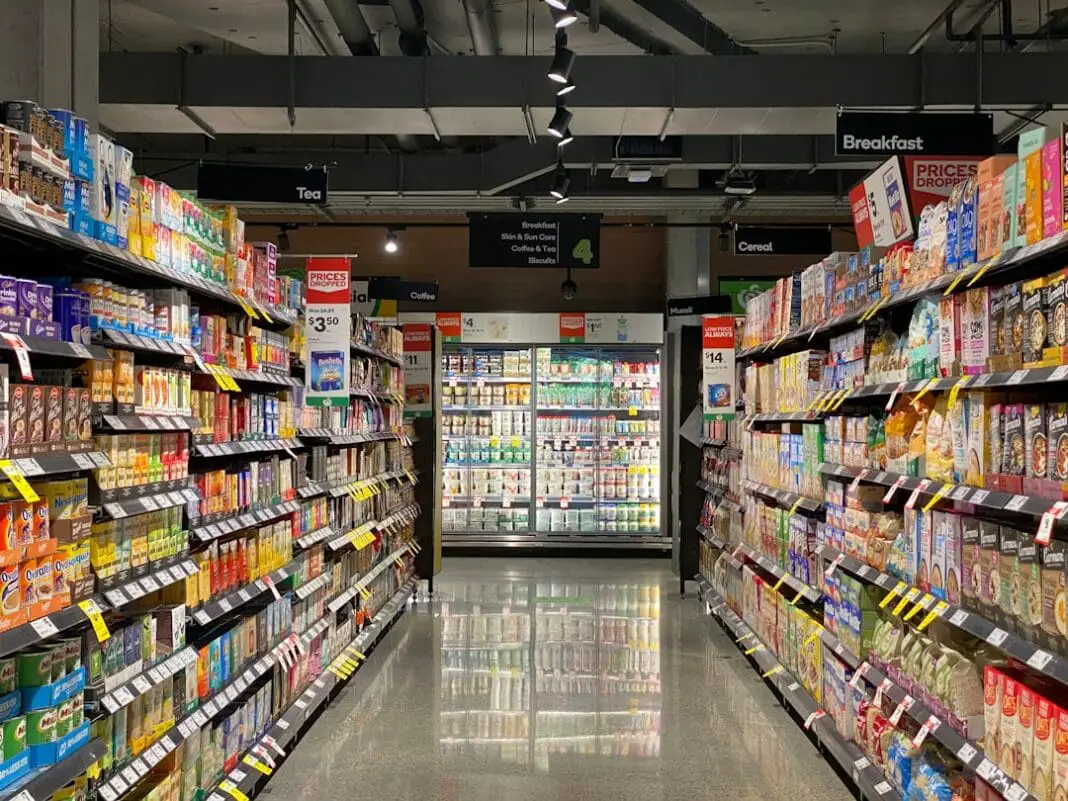
If your grocery receipts have felt like a rollercoaster lately — some weeks slightly better, other weeks genuinely shocking — you’re not imagining it. The latest data from March 2026 tells a story that’s equal parts relief and dread. Some categories dropped. Others climbed. And the real price surge from tariffs? Analysts say it hasn’t even fully arrived yet.
Here’s what’s actually happening at the supermarket right now, what’s about to get worse, what’s finally getting cheaper, and what you can actually do about all of it.
The March Numbers Look Okay — Until You Look Closer
The Bureau of Labor Statistics reported in April that grocery prices actually fell 0.2% from February to March 2026. That sounds great, right? Four of the six major grocery categories moved lower, including meats, cereals and bakery products, and dairy — all down 0.6% for the month.
But zoom out and the picture changes. Year-over-year, grocery prices are still up 1.9%. And the USDA’s full-year forecast projects food-at-home costs will increase by more than 3% across all of 2026. One decent month doesn’t erase the trend. It’s like getting a B+ on one quiz when your semester grade is still a D.
Eggs Are Ridiculously Cheap Right Now
Remember last year when eggs cost more than a decent lunch? That nightmare is over — at least for now. The average retail price of a dozen eggs has dropped to about $2.50, which is a 42% decline from a year ago. Wholesale prices have plummeted even harder — down more than 90% to around 70 cents a dozen, which is actually below what it costs farmers to produce them.
What happened? Farmers rebuilt their flocks after avian flu wiped out tens of millions of chickens last year. The result is an egg surplus. Emily Metz, president of the American Egg Board, said it plainly: “There’s never been a better time to buy eggs.”
But here’s the catch nobody wants to talk about. The USDA’s wildlife monitoring found extremely high viral loads in wild migratory birds — about 14 million affected in just the last 30 days. Farmers are keeping their rebuilt flocks intact because they know another outbreak could hit at any time. The cheap eggs are real, but the situation underneath is fragile.
Beef Prices Are Out of Control
If you’ve been buying steaks or ground beef lately, you already know this in your gut — and your wallet. The USDA predicts beef and veal prices will surge 9.4% in 2026. That’s nearly triple the historical average of 3.1% for meat categories.
Ground beef specifically is up more than 15% over the past year. The reasons are structural: years of droughts forced ranchers to shrink their herds, high interest rates made it expensive to rebuild, and tariffs add more pressure because the U.S. imports lean beef trimmings that get blended into the ground beef you buy at the store.
This isn’t a temporary spike. Rebuilding cattle herds takes years. A cow needs about two years before it’s ready for market. So even if conditions improve tomorrow, the supply problem won’t fix itself quickly.
Your Coffee and Soda Are Getting Hit Hard Too
Nonalcoholic beverages — coffee, soft drinks, juice, energy drinks — are predicted to jump 6.5% in 2026. That’s the single highest increase of any grocery category the USDA tracks. Coffee alone is up nearly 20% over the past year.
The U.S. gets most of its coffee from Brazil, which until recently faced tariffs as high as 50%. Combine that with heat-damaged coffee crops overseas, and you’ve got a perfect storm for your morning cup costing more every month. If you haven’t noticed it yet at the store, you will.
Tariffs Haven’t Even Fully Hit Yet
This is the part that should worry you. According to analysts at market research firm Spins, grocery prices typically increase on a 12- to 18-month lag after cost shocks. The “liberation day” tariffs announced in April 2025? Their full impact is expected to land between now and October 2026.
Here’s the kicker: in 2025, businesses absorbed roughly 80% of the tariff costs themselves. But JPMorgan estimates that ratio could flip, with businesses only covering about 20% later in 2026 — meaning the rest gets passed straight to you.
Imported Italian pasta is a wild example. Thirteen of Italy’s largest pasta exporters now face an additional anti-dumping duty of 91.74%, bringing combined tariffs to approximately 107%. Fresh produce from Mexico — tomatoes, avocados, limes, bell peppers — is also directly exposed. One agriculture economist called tomatoes an “inflationary perfect storm” because they’re labor intensive, energy intensive, and require heavy transportation, all of which are long-term pain points.
Prices That Go Up Tend to Stay Up
David Ortega, who holds the food economics chair at Michigan State University, testified before lawmakers about something most people feel but can’t quite articulate: food prices are “downward sticky.” They go up fast and almost never come back down in any real way.
Even if tariffs get reduced or removed tomorrow, grocery prices will almost certainly stay where they are. What you’d get instead is a slower rate of increase — not actual decreases. The weekly cost of groceries since 2020 has gone up about 40% for American households, from roughly $120 to $170. That new baseline isn’t going anywhere.
Some Things Are Actually Stable — Stock Up on These
Not everything is doom and gloom. Several grocery categories have genuinely stabilized in 2026, and they’re worth leaning into if you’re trying to keep your spending under control.
Root vegetables and storage produce — carrots, potatoes, onions — are holding steady thanks to strong domestic harvests and good warehouse storage conditions. Standard dairy products like regular whole milk are stable because commercial animal feed prices dropped. Dairy farmers are paying less, and retailers keep using milk as a loss leader to get you in the door.
Generic cooking oils (vegetable and canola) are flat because domestic soybean and canola harvests hit record highs. And canned beans — pinto, black, lentils — remain the best protein value in the entire store. A can of store-brand black beans is still about a dollar. Premium stuff like artisanal cheese and imported olive oil? Still expensive. But the basics are holding.
One Bright Spot: PepsiCo Is Actually Cutting Snack Prices
In a move that goes against the grain of everything else happening, PepsiCo — the company behind Lay’s, Doritos, Tostitos, and a bunch of other snack brands — announced it’s cutting prices on many of its snacks by up to 15%. This is happening while sugars and sweets as a category are projected to rise 6.7% in 2026, more than double the historical average.
It’s likely a market share play. People have been trading down to store brands for years now, and PepsiCo is trying to win them back. Whatever the reason, cheaper Doritos are cheaper Doritos.
Eating Out Is Even Worse
If you’ve been thinking about eating out more to avoid cooking, the math doesn’t work. Restaurant and food service prices are rising faster than grocery prices — 3.9% year-over-year as of February 2026, compared to 2.4% for groceries. The USDA projects food-away-from-home prices will increase 3.9% for the full year, with an upper bound of 4.9%.
This gap between cooking at home and eating out keeps widening. And with 62% of consumers telling the Food Industry Association they’re “very or extremely concerned” about rising food prices, most people are already adjusting by spending more on groceries and less on restaurants and clothing.
What Actually Helps Right Now
The USDA says meal planning and using a shopping list can cut your grocery spending by 20 to 30%. That’s a real number. Switching from name brands to store brands can save a standard family over $1,500 a year. At Kroger, you need to clip digital coupons in the app before you shop or you’re leaving money on the table — most of their deals don’t apply at the register without it.
Apps like Basketful and Flashfood use pricing data to alert you to markdowns before they go public. Grocery Outlet, with over 560 stores across 16 states, sells name-brand items at 40 to 70% below regular retail prices. And meat departments typically slap “Manager’s Special” stickers on expiring cuts early in the morning or late on Sunday evenings — time your trips if you can.
Analysts are also telling people to stock up on shelf-stable goods — pasta, canned food, rice, dried beans, coffee — before mid-2026 price increases arrive. If you have the pantry space, buying ahead on things you know you’ll use is one of the few moves that makes real financial sense right now.
The Big Picture
Grocery prices in 2026 are genuinely all over the place. Eggs are dirt cheap. Beef is through the roof. Coffee is climbing fast. Potatoes and canned beans are holding steady. Tariff impacts are still loading. And once prices go up, history tells us they don’t come back down — you just eventually get used to paying more.
The smartest move right now isn’t panic — it’s attention. Know what’s going up, know what’s stable, and shift your shopping accordingly. Nobody’s going to fix this for you. But you can at least stop being surprised by the receipt.

