

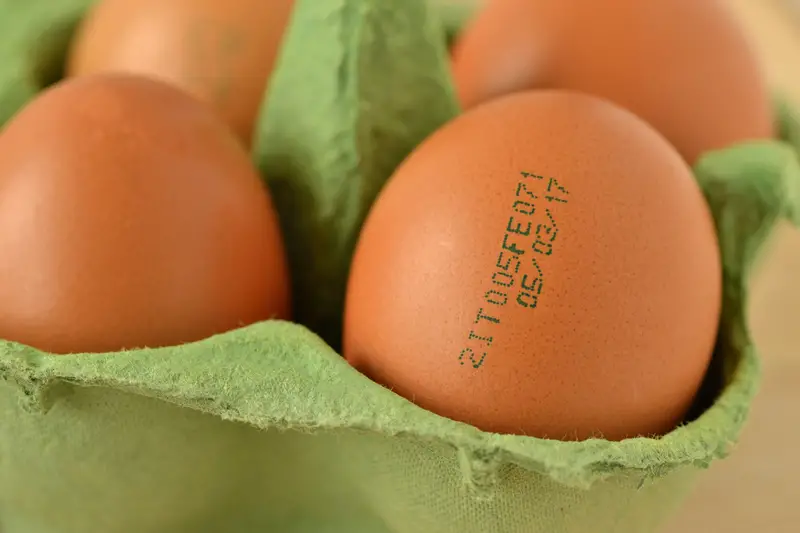
We’ve all done the fridge squint. You’re holding a container, the date on the lid passed two days ago, and you’re trying to decide if dinner is still happening or if it’s going in the trash. Here’s the good news: most of the time, that date doesn’t mean what you think it means.
Outside of one product, those printed dates are about peak quality, not a hard stop. The USDA says product dating isn’t even required by federal law except for infant formula. A “best if used by” date is the maker telling you when their food tastes its best, not the moment it turns on you. That printed line on a box of crackers or jar of peanut butter usually means it’s still fine.
But a handful of foods are the real deal. These are the ones that go from fine to flat-out gross fast, and pushing them past the date is just throwing good money after bad. Once they turn, they taste off, smell worse, and ruin whatever you put them in. Here’s my honest list of what’s not worth the gamble.
Deli Meats and Cold Cuts
This is the big one. That turkey, ham, and roast beef from the deli counter spoils way faster than people think because it’s sliced, handled a lot, and packed with moisture. Once it passes its window, you’ll know. The slices go slick and slimy, the edges turn a dull gray or greenish, and there’s a sour smell when you open the pack. None of that gets better. I’ve tried to stretch a half-used pack of ham for one more sandwich and regretted it every time. The flavor goes flat and a little metallic before it even looks bad. Buy what you’ll actually eat in a few days, or ask the counter to slice a smaller amount.
Fresh Fish and Seafood
Fish has the shortest clock in your kitchen, full stop. A fillet should really be cooked the day you bring it home, and within about 48 hours it’s done. The signs are easy to read: a slimy coating, a mushy feel when you press it, and a smell that goes from clean and briny to sharp and sour or like ammonia. Good fish smells like the ocean. Bad fish smells like a science experiment. The general guidance is to cook or freeze raw seafood within one to two days of buying it. If you’re not making it tonight, get it in the freezer the minute you walk in the door.
Soft Cheeses
Hard cheeses like cheddar or parmesan are forgiving. If a little mold shows up on a block, you can cut it off and carry on. Soft cheeses are a different animal. Brie, feta, goat cheese, ricotta, cream cheese, and queso fresco all hold a lot of moisture, and once they pass their date or grow mold, the whole thing is shot. Mold runs right through soft cheese in a way you can’t just trim away, and the taste turns bitter and ammonia-like. I love a good brie, but if it’s past the date and smelling strong in a bad way, it’s not worth saving four bucks.
Pre-Made Salads and Cut Produce
Those bagged salads, pre-cut melon, and grab-and-go containers are convenient, but they don’t last. Once produce is cut, you expose all that surface area, and it breaks down fast. A bag of greens past its date gets that slimy, wilted, dark-edged look, and the smell when you open it tells you everything. Pre-made salads with dressing already mixed in go even quicker. If your spring mix is turning to soup at the bottom of the bag, that’s your answer. Toss it.
Milk, Yogurt, and Other Dairy
Dairy is the one most people already respect, and for good reason. Milk past its date gives you that unmistakable sour smell and a thicker, off texture, and yogurt can separate and turn sharp and unpleasant. A sip of milk that’s gone is something you don’t forget. The date on the carton is a decent guide, but trust your nose first. If it smells sour, no amount of cereal is going to fix it.
Infant Formula
This is the only food on this list where the date is actually a legal requirement, not a suggestion. The FDA mandates a “use by” date on every container of infant formula, and it’s the date the maker guarantees the nutrient content and quality. After that date, the formula may not carry the vitamins and nutrients the label promises, so it shouldn’t be fed to infants. This isn’t a “use your judgment” situation like a bag of chips. When formula is past its date, replace it. No stretching it.
How to Read the Dates and Your Own Senses
Here’s the thing most people miss: “sell by,” “best by,” and “use by” don’t all mean the same thing. Sell-by dates are for the store, telling them when to pull product off the shelf. Your senses are the better tool for the everyday stuff. Look at the texture, give it a smell, and check for dents, bulges, or broken seals on cans and packages. When something looks slimy, smells sour, or just seems off, you already have your answer. And for the high-moisture foods on this list, when you’re genuinely unsure, it’s cheaper in the long run to toss it than to cook a whole meal around something that’s already turned.
Since fresh fish tops the “cook it now” list, here’s exactly what I make the same day I bring salmon home. It’s fast, it’s foolproof, and it’s the best way to make sure that fillet never gets the chance to go past its date.
4
servings10
minutes15
minutes320
kcalThe buttery, garlicky salmon I make the night I buy it so fresh fish never has a chance to turn.
Ingredients
4 salmon fillets (about 6 oz each), skin on
3 tablespoons olive oil
4 cloves garlic, minced
2 tablespoons butter, melted
1 lemon, juiced and zested
1 teaspoon salt
1/2 teaspoon black pepper
1 teaspoon dried dill
2 tablespoons fresh parsley, chopped
Directions
- Preheat the oven to 400 degrees F. Line a baking sheet with parchment paper or foil and brush it lightly with a little olive oil so the fillets don’t stick.
- Pat the salmon fillets dry with paper towels. Dry fish browns better and holds onto seasoning. Place the fillets skin side down on the prepared sheet.
- In a small bowl, whisk together the olive oil, melted butter, minced garlic, lemon juice, and lemon zest until combined. This is your quick marinade and sauce in one.
- Spoon the garlic-lemon mixture evenly over the tops of the fillets, letting it run down the sides. Make sure each piece gets a good coating.
- Sprinkle the salt, black pepper, and dried dill over the salmon. Press the seasoning in gently with your fingers so it sticks.
- Bake for 12 to 15 minutes, depending on thickness. The salmon is done when it flakes easily with a fork and the center reaches 145 degrees F.
- For a little color on top, switch the oven to broil for the last 1 to 2 minutes. Watch it closely so it doesn’t scorch.
- Pull the salmon from the oven, scatter the fresh parsley over the top, and serve right away with extra lemon wedges on the side.
Notes
- Cook salmon the same day you buy it for the best texture and flavor. If you can’t, freeze it right away.
- No fresh dill on hand? Dried dill works, or use a teaspoon of Italian seasoning instead.
- Leftovers keep in the fridge for up to two days and are great flaked over a salad the next day.
Frequently Asked Questions
Q: How long does fresh fish actually last in the fridge?
A: Plan on cooking it the day you buy it. Within about 48 hours it’s past its prime, so if you’re not cooking it right away, freeze it the moment you get home.
Q: Are sell-by and use-by dates the same thing?
A: No. Sell-by is for the store, telling them when to pull a product off the shelf. Use-by is the last day for peak quality on perishables, and it’s the one worth paying attention to on things like deli meat and dairy.
Q: Can I just cut the mold off soft cheese like I do with cheddar?
A: Not really. Hard cheeses let you trim mold and keep going, but soft cheeses hold a lot of moisture and the mold spreads through them, so it’s better to toss the whole thing.
Q: Is infant formula different from other expiration dates?
A: Yes. It’s the only food where the date is required by law and tied to the nutrients inside. Once it’s past the use-by date, replace it rather than feeding it.

