

Your grocery bill keeps climbing higher every week, and you’re probably wondering where you can actually save some money without eating ramen for every meal. The good news is that some stores really do offer better prices than others, and the differences aren’t small. A recent study surveyed over 4,300 shoppers to find out which grocery stores deliver the best value, and the results might surprise you. Some of these chains can save you hundreds of dollars a year compared to traditional supermarkets, and they’re not all tiny discount stores with limited selections either.
Lidl beats almost everyone on price
If you haven’t heard of Lidl yet, you’re missing out on some serious savings. This German-owned store looks a lot like other discount grocers, with a warehouse-style setup and smaller staff. The magic happens because they keep their overhead costs super low, which means you pay less for everything. About 81% of their customers shop there specifically for the value, which is the highest rating among all grocery stores. That’s not just a little bit better than the competition, it’s way ahead of everyone else.
The bakery section at Lidl is where things get really interesting. You can grab fresh croissants for just $1, which taste like they came from a fancy bakery. They also have German-style pretzels and focaccia bread that make your kitchen smell amazing. Unlike other discount stores that feel bare-bones, Lidl throws in random surprises like power tools, cat trees, and plants. You came for cheap milk and leave with a new drill, but hey, at least you saved money on both.
WinCo gives you warehouse prices without membership fees
Ever wish you could shop at Costco without paying that annual membership fee? WinCo Foods is basically that dream come true. They operate like a warehouse store with the same no-frills approach, buying directly from manufacturers and having you bag your own groceries. The store is employee-owned, which means the workers actually have a stake in keeping things running well. With 139 locations across 10 states from California to Oklahoma, they’re growing but still flying under the radar for a lot of shoppers.
The bulk section at WinCo is where you’ll save the most money on things like rice, beans, nuts, and spices. About 73% of their customers keep coming back specifically for the value they get, and it makes sense when you see the prices. Their flower deals are also surprisingly good, and you can stock up on household basics at prices that make other stores look expensive. The only downside is you might need to travel a bit since they’re not everywhere yet, but if you have one nearby, it’s worth making it your regular stop.
Grocery Outlet sells overstock at steep discounts
Imagine an outlet mall but for food, and you’ve got Grocery Outlet. They buy excess inventory and overstock directly from manufacturers, then sell it at big discounts. Each store has a different selection depending on what deals they can get from nearby suppliers, so shopping there is kind of like a treasure hunt. You never know exactly what you’ll find, but you know it’ll be cheap. They keep all the regular staples like meat, dairy, and bread, plus lots of name-brand items you’d recognize from other stores.
The natural and organic section is where Grocery Outlet really shines. Vegan products and gluten-free items that usually cost a fortune at regular grocery stores show up here for half the price. About 71% of customers choose this store for the value alone, and once you start shopping there, you’ll understand why. The catch is that you can’t always count on finding the exact same products every time, but if you’re flexible with your meal planning, you’ll save a ton of money on quality food.
Aldi dominates almost every grocery category
You’ve probably heard people rave about Aldi, and there’s a good reason why. In a comparison study, Aldi had the lowest prices on 80% of products surveyed, which is just ridiculous. We’re talking about beating Walmart and Kroger by huge margins across almost every category from frozen food to fresh produce. The store uses the same simplified approach as other German discount grocers, with customers bagging their own items and displays that are easy to restock. They even make you use a quarter to get a shopping cart, which you get back when you return it.
Shopping at Aldi can save you 25% compared to Kroger on your total grocery bill. Their store-brand pasta is actually bronze cut, which is the fancy kind that holds sauce better. You can grab fresh raspberries for under $2, which is crazy cheap for berries. Coffee, bananas, and ice cream all cost way less than at traditional stores. The only thing is they don’t carry many name brands, so if you’re picky about having Heinz ketchup instead of the Aldi version, you might need to make a second stop somewhere else.
Wegmans offers organic deals and store brands
Wegmans has a cult following, and their fans call themselves Wegmaniacs, which should tell you something about how much people love this store. It’s a family-owned chain that started in the Mid-Atlantic region but keeps expanding to new states. They now have over 110 locations across eight states. About 69% of customers keep coming back because the store-brand products offer great value for the price. Unlike the bare-bones discount stores, Wegmans feels more upscale while still keeping prices reasonable on their own products.
If you’re trying to eat healthier without going broke, Wegmans has your back. Their organic section offers better prices than most competitors, and they stock plenty of healthy snacks that don’t cost a fortune. The store also has prepared foods and specialty items if you want to treat yourself without hitting up a restaurant. While they’re not the absolute cheapest option for everything, their combination of selection, quality, and reasonable prices on store brands makes them worth checking out, especially if you care about having lots of options.
Trader Joe’s wins on frozen food and flowers
Trader Joe’s has mastered the art of making grocery shopping fun, and they do it while keeping prices low. About 67% of shoppers choose them for the value they get, but they also stick around for the experience. The store is small compared to regular supermarkets, but they pack in an impressive selection of unique and seasonal items. Their checkout process consistently gets high marks, and yeah, sometimes the cashiers are pretty friendly. Fresh produce arrives every morning, and their flower selection is way cheaper than anywhere else.
The frozen food aisle at Trader Joe’s is practically legendary at this point. You can find frozen tamales for under $3, fancy desserts for under $7, and party appetizers for around $4. They stock dishes from all over the world, which saves you money on takeout when you’re craving something different. The seasonal items are where things get interesting, with new products showing up all the time. Some become permanent favorites, while others disappear forever, so when you find something you love, you better stock up before it’s gone.
Costco membership pays for itself quickly
Yes, Costco charges a membership fee, but if you shop there even a few times a year, you’ll make that money back easily. The bulk warehouse might draw you in with those famous rotisserie chickens, but about 61% of members keep renewing because of the value they get across the entire store. You can buy everything from eggs by the dozen to a whole graduation cake to red roses. They also sell weird stuff like jacuzzis and giant teddy bears, because why not?
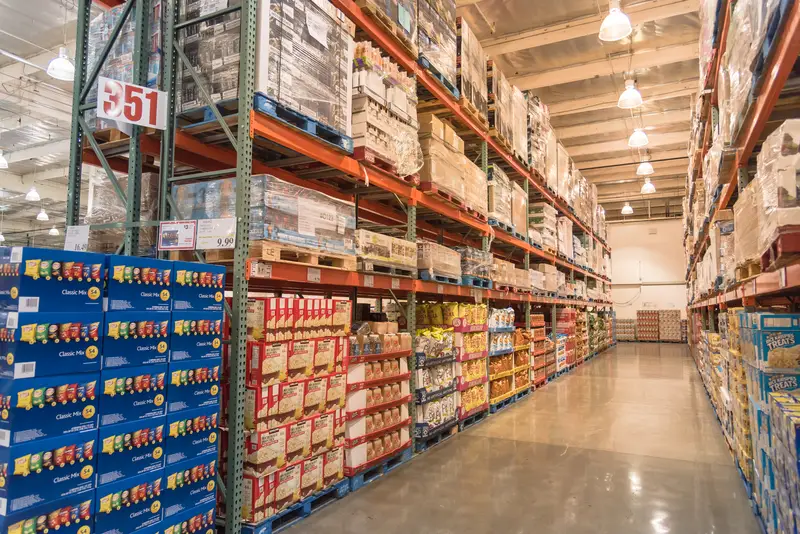
The frozen section and bulk items are where Costco really saves you money. Giant jars of pasta sauce, huge bags of frozen vegetables, and cases of wine all come at prices that seem almost too good to be true. If you have a backup freezer at home, you can stock up and not worry about grocery shopping for weeks. The key is making sure you’ll actually use everything before it goes bad, because buying in bulk only saves money if you’re not throwing half of it away.
Walmart beats everyone on name brands
If you absolutely need Heinz ketchup instead of a store brand, Walmart is your best bet. They might not have the lowest prices on everything, but when it comes to national brands, they consistently beat other major chains. In direct comparisons, Walmart came in 18% cheaper than Kroger on name-brand products, or 9% cheaper if you use Kroger’s loyalty card discounts. That’s a pretty significant difference when you’re buying the same exact products with the same labels.
The thing about Walmart is you can get everything in one trip without paying premium prices. While discount stores like Aldi beat them on store-brand items, Walmart offers way more variety and carries all the familiar brands you grew up with. They’re not going to win any awards for having the absolute lowest prices on everything, but they strike a decent balance between affordability and selection. Plus, you can pick up groceries along with whatever else you need, from paper towels to new socks.
Kroger offers selection over rock-bottom prices
Here’s the truth about Kroger: they’re not going to win any contests for having the cheapest prices. In fact, they were more expensive than both Walmart and Aldi on basically everything in comparison studies. A full shopping list at Kroger can cost 25% more than the same items at Aldi, even with their loyalty card discounts. So why do people still shop there? Because sometimes having more options matters more than saving a few bucks, and Kroger delivers on variety.
The produce section at Kroger tends to have better quality and more choices than discount stores. They stock specialty items you won’t find at Aldi, and their prepared foods and deli sections are way more extensive. If you’re planning a specific recipe and need exact ingredients, Kroger is more likely to have everything on your list. The trade-off is you’ll pay more for that convenience and selection. For some people, being able to get everything in one trip is worth the extra cost, especially if the nearest discount store is far away.
Saving money on groceries doesn’t mean you need to sacrifice quality or spend your entire weekend driving to different stores. The cheapest option depends on what matters most to you, whether that’s rock-bottom prices, organic selections, name brands, or having everything in one place. Most people find that mixing and matching works best, hitting up a discount store for basics and a regular supermarket for specialty items. Food prices keep going up, but at least now you know where to find the best deals.

