

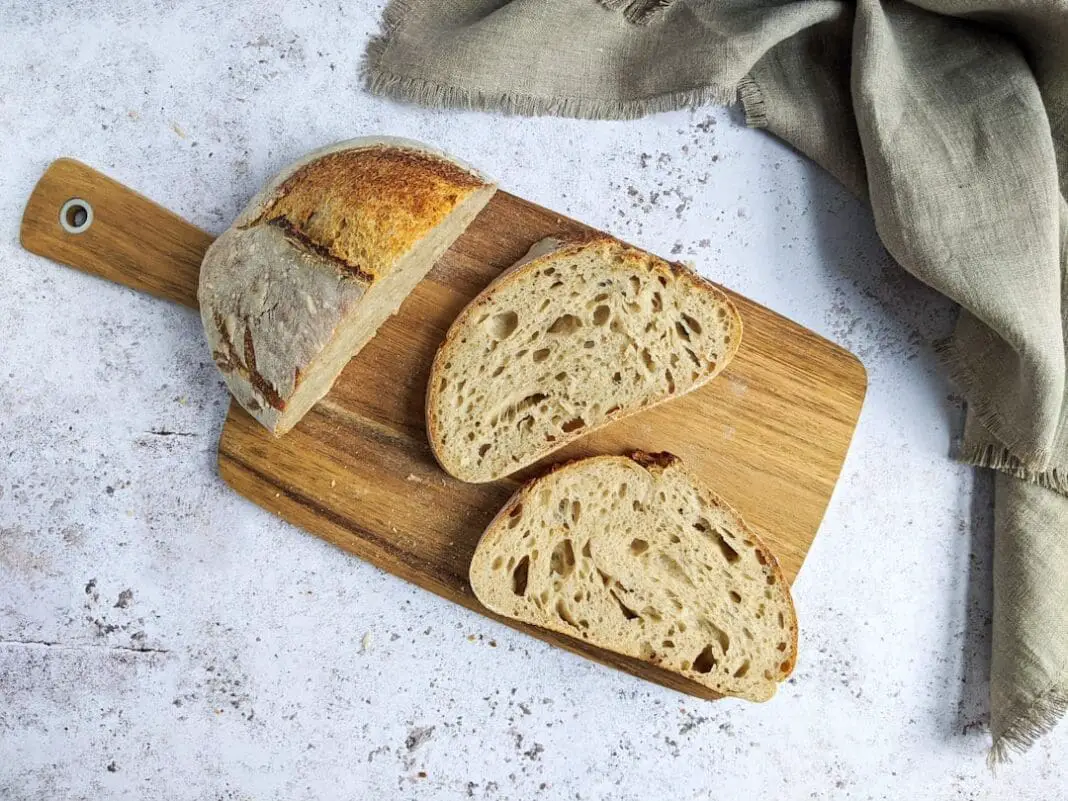
There’s a loaf of bread sitting on your counter right now, isn’t there? Maybe it’s in a plastic bag, maybe it’s just hanging out next to the toaster with a twist tie barely holding things together. You bought it three days ago and you’re not totally sure if it’s still good. Sound about right?
Here’s the thing. The counter is actually a fine place to keep bread. But the way most people do it is basically an invitation for mold, staleness, and a loaf that turns into a brick overnight. There are a few simple things you’re probably getting wrong, and once you fix them, your bread will last noticeably longer. No special equipment required (though one old-school kitchen item makes a real difference).
The Counter Isn’t the Problem. Everything Around It Is.
Let’s get this out of the way first: keeping bread on the counter is perfectly normal. Humans have been doing it forever. The issue isn’t the counter itself. It’s the three things that come with counter storage: light, heat, and moisture. Those three factors speed up mold growth and make bread go stale way faster than it should.
Think about where your bread usually sits. Is it near the stove? Next to the dishwasher? In a sunny spot by the window? Every one of those locations is bad news. The heat coming off your stove and the steam from your dishwasher create a little pocket of warmth and humidity right around your bread. And direct sunlight? That’s basically a mold accelerator.
Move your bread to the coolest, darkest spot on your counter. That alone will buy you an extra day or two of freshness. Sounds too simple to matter, but it does.
Leaving Bread Uncovered Is a Rookie Mistake
Some people leave their bread sitting out completely uncovered, especially if it’s a nice crusty loaf from a bakery. The logic makes sense on the surface: you want to keep that crust crispy, right? But uncovered bread is exposed directly to airborne mold spores and whatever humidity is floating around your kitchen. That soft interior dries out fast, and within a day you’ve got a loaf that’s hard on the outside and turning to cardboard on the inside.
The flip side is also true. Sealing bread too tightly in a plastic bag, especially in a warm kitchen, traps moisture inside and creates the perfect little greenhouse for mold. You know when you open a bag and the inside is all damp and the bread feels weirdly soft in a bad way? That’s what happened. Bread needs some airflow, but not total exposure. It’s a balancing act.
Store-Bought and Homemade Bread Play by Different Rules
This is something a lot of people don’t think about. That sliced sandwich bread from the grocery store was made with preservatives, emulsifiers, enzymes, and gums that are specifically designed to slow down staling and keep mold away. Store-bought bread can usually hang out in your pantry for seven to ten days before it starts going south.
Homemade bread? Totally different animal. Without those commercial additives, a homemade loaf starts drying out within hours of cooling. You’ve got maybe two to four days at room temperature before it’s past its prime. If you bake your own bread and treat it the same way you treat a loaf of Wonder Bread, you’re going to be disappointed.
Enriched breads (think brioche, cinnamon rolls, anything with extra butter and sugar) stay fresh longer than lean breads like baguettes or ciabatta. The fat and sugar help the bread hold onto moisture. So that crusty French loaf you brought home from the bakery has the shortest counter life of anything in your kitchen. Plan accordingly.
A Bread Box Isn’t Just for Decoration
Your grandma had a bread box, and she wasn’t wrong. A bread box does something that no plastic bag or open counter can do: it regulates airflow. It keeps enough air circulating to prevent the moisture buildup that causes mold, while also blocking out light and excess air that causes drying. It’s a sweet spot that’s surprisingly hard to replicate any other way.
Modern bread boxes come in stainless steel, bamboo, and ceramic. Some have rolltop lids, some have front-opening doors. A decent stainless steel one can hold two or three whole loaves at once. They’re not expensive, and they can extend your bread’s peak freshness by a few extra days. Just make sure you place the bread box away from your stove and out of direct sunlight. Putting a bread box next to a heat source defeats the entire purpose.
For the best results, pair a bread box with a linen bread bag. Linen is made from flax and wicks moisture better than cotton, which keeps the bread from drying out too fast. Cotton bags work okay, but bread tends to dry out within a day or two in cotton. Linen gives you a noticeable improvement. A linen bag inside a bread box is the gold standard for counter storage.
The Fridge Is Actually the Worst Place for Bread
This surprises a lot of people. You’d think the fridge would keep bread fresher, but it does the opposite. The temperature inside your refrigerator (around 35 to 40 degrees) creates the absolute worst conditions for bread. There’s a process called starch retrogradation where the starch molecules in bread recrystallize and force out moisture, making the bread hard and crumbly. Your fridge speeds up that process by as much as six times compared to room temperature.
A slice of commercial white bread can feel noticeably stale after just one day in the fridge. Artisan breads like sourdough or baguettes? Less than 24 hours and they’re done. Even bagels go stale faster in the fridge because of that same starch recrystallization. The fridge might slow down mold a bit, but it ruins the texture so fast that it’s almost never worth it.
There are a couple exceptions. Breads with high seed and grain content (like Dave’s Killer Bread) or quick breads made with eggs, dairy, or fresh fruit can actually mold fast at room temperature and might do better in the fridge. But for standard loaves, stay away from refrigeration.
The Freezer Is the Real Move
If you’re not going to finish a loaf within a few days, the freezer is your best friend. Freezing stops the staling process almost completely. A properly wrapped loaf can stay in the freezer for up to three months and still taste remarkably close to fresh when you thaw it. Some sources say you can push it to six months, but three is the sweet spot before freezer burn starts becoming an issue.
Here’s the move: slice your bread before freezing. That way you can pull out exactly what you need without thawing the whole loaf. Frozen slices go straight into the toaster, or you can leave them at room temperature for about 30 minutes. No fuss.
For wrapping, the double layer method works best. Wrap the bread (or individual slices) in plastic wrap first, then put it all in a freezer-safe zip-top bag with as much air pressed out as possible. The plastic wrap protects against moisture loss, and the bag prevents freezer burn. Some people use aluminum foil instead of plastic wrap, and that works fine too.
Never Seal Bread While It’s Still Warm
If you bake at home, this one is critical. Sealing warm bread in a plastic bag creates condensation inside the bag, and that trapped moisture becomes a breeding ground for mold. Even bread that’s just slightly warm when you seal it up can develop problems. You need to let a fresh loaf cool completely on a wire rack for at least one to two hours before storing it anywhere. Slicing into a warm loaf is also a bad idea. It feels great and smells amazing, but the starch inside hasn’t fully set yet, so you end up with a gummy, sticky interior.
Some Bread Types Are Worse on the Counter Than Others
Not all bread handles counter life the same way. Artisanal bakery breads with no preservatives are extremely vulnerable to temperature swings, light, and air. That expensive sourdough boule can turn into an expensive crouton within 48 hours on the counter if you’re not careful.
Tortillas and naan are even worse. Their thin profile means they lose moisture incredibly fast when left out. Professional kitchens store tortillas in controlled humidity for a reason. On your counter, they’re basically in a dehydration chamber. English muffins are another counter casualty. All those nooks and crannies that are great for butter are also great for collecting dust, absorbing kitchen odors, and drying out. And dinner rolls? Their small size means they lose moisture faster than full loaves. Get them into a bread box or the freezer quickly.
A Trick for Slicing That Actually Helps
Here’s a small thing that makes a real difference with longer loaves like sandwich bread or baguettes. Instead of slicing from one end, cut the loaf in the middle and then slice from the center outward. When you’re done, press the two halves back together, cut faces touching. This creates a tighter seal on the exposed bread and slows down drying. It looks a little weird, but it works.
How to Bring Stale Bread Back to Life
If you’re reading this article a little too late and your bread is already going stale, there’s still hope. Warming stale bread in a 300 degree oven for about 10 minutes can actually reverse some of the starch crystallization and temporarily bring back a softer texture. For slightly stale bread, mist it lightly with water before reheating. The water creates steam inside the oven and helps soften things up. Cover the cut side with foil and place the loaf directly on the oven rack.
One important note: this trick only works once. You can’t keep re-warming the same loaf over and over. If you revive it and don’t eat it, that’s your last shot. After that, you’re looking at crouton or breadcrumb territory. Which, honestly, isn’t the worst outcome in the world. French toast, bread pudding, homemade breadcrumbs. Stale bread has a second life if you’re willing to get a little creative with it.

