
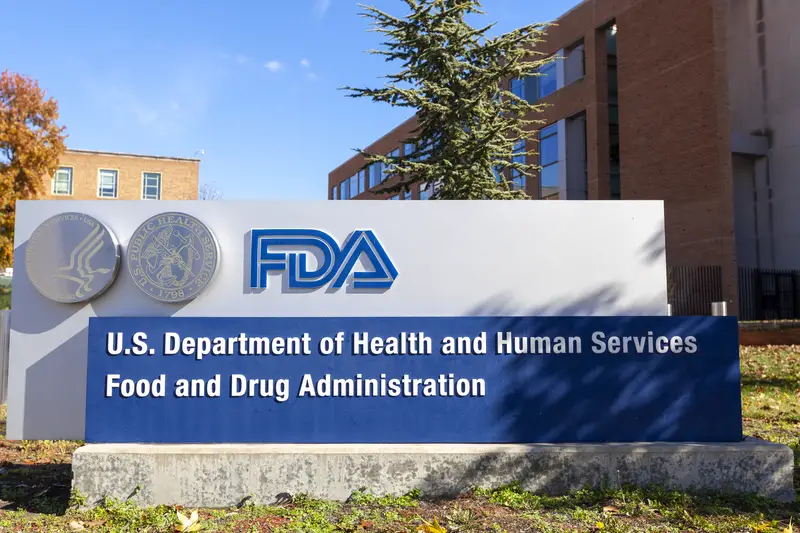
The FDA just dropped warning letters on three food importers, and the details are pretty disturbing. These aren’t small paperwork mistakes. These are companies that were supposed to verify that the food they bring into the United States is actually produced safely, and they simply didn’t do it. In some cases, the FDA gave them years to get their act together. They still failed.
Here’s what happened, who got caught, and what it means for the food sitting on American store shelves right now.
What the FDA Actually Requires From Importers
Before we get into the specific companies, it helps to understand the rule they broke. It’s called the Foreign Supplier Verification Program, or FSVP. Under federal law, every company that imports food into the U.S. has to verify that their foreign suppliers are meeting American food safety standards. That means doing a hazard analysis, checking for things like bacteria, pesticide residues, allergens, and contamination risks. It means keeping documentation. It means having a qualified person overseeing the whole process.
This isn’t a suggestion. It’s a legal requirement under the Food Safety Modernization Act, and all compliance deadlines passed a long time ago. There are no more grace periods. No more excuses about being new to the rules. If you import food into this country, you have to have an FSVP for every single food from every single foreign supplier. Period.
When the FDA finds that a company doesn’t have one, it means there is zero documented proof that the imported food is safe. None. The food could be perfectly fine, or it could be contaminated. Nobody checked.
Life Plus Style Gourmet LLC, Plainview, New York
This one is a standout for all the wrong reasons. Life Plus Style Gourmet LLC, based in Plainview, NY, got hit with a warning letter dated March 5, 2026. The FDA inspected the company from January 27 through January 29, 2026, and found that they had failed to develop, maintain, or follow an FSVP for basically all of the foods they import. The sole exception was products from one specific foreign supplier (the FDA redacted the name).
Here’s the kicker. This was not a surprise visit to a company that had never been inspected. The FDA had already inspected Life Plus Style Gourmet twice before. Once from September 12 through October 14, 2022. And again from October 26 through December 12, 2023. So the agency showed up three separate times over four years, and this company still hadn’t put together the required verification plans for its imported food.
After the January 2026 inspection, an FDA investigator issued a formal observation form. The company responded on February 13, 2026, saying it planned to nominate a compliance manager and would have its files in order within four to six weeks. The FDA’s response? They couldn’t even evaluate that promise because no supporting documentation was ever provided. As of the warning letter’s date, the FDA had received nothing.
The consequences the FDA laid out are serious. The agency can refuse admission of the company’s food at the border. It can detain shipments without even physically examining them, which essentially blocks the product from entering the country. And it can pursue criminal prosecution under federal law for importing food without a compliant FSVP. The company was given 15 working days to respond with specific corrective actions.
Harbor Marine Product Inc., Vernon, California
If the New York case is about paperwork neglect, the California case is about conditions that will make your stomach turn. Harbor Marine Product Inc., located at 5088 Fruitland Ave in Vernon, CA, got a warning letter dated November 28, 2025, after an FDA inspection that ran from March 5 through March 27, 2025.
The findings were ugly. On March 6, 2025, FDA inspectors found Styrofoam cases holding exposed raw, ready-to-eat salmon sitting on the floor, in direct contact with run-off water from facility drains. The fish was then placed back into those contaminated cases before being packaged. Extra cases and lids were stored overnight outside, behind the trash bin. Styrofoam, the FDA noted, has a structure of fused foam beads that can create channels for water and hiding spots for bacteria.
It gets worse. A cutting tool used on raw, ready-to-eat salmon was found hanging against a wet wooden pallet on the floor. It was not sanitized before being used again. While an employee was hosing down a wooden pallet, overspray and mist landed directly on an adjacent table where someone was cutting salmon.
FDA lab analysis of environmental swabs from the facility found non-pathogenic Listeria species, which is a strong indicator that conditions exist for more dangerous strains to thrive. The agency determined that the company’s raw, ready-to-eat fish products were adulterated under federal law.
The company also failed to follow its own HACCP verification procedures. Their thermometer calibration was spotty. They were supposed to do weekly accuracy checks, but they were only checking a fraction of the thermometers they actually used.
And here’s the real problem. Some of the violations found during the 2025 inspection were the same violations identified during inspections in 2017 and 2020. That’s eight years of the same problems going uncorrected. Harbor Marine imports salmon, halibut, shad, and flounder from Canada, the UK, South Korea, and the Faroe Islands, but had no written importer verification procedures for any of those products.
A Third Batch of Companies in May 2026
In May 2026, the FDA issued another round of warning letters to three more importers for FSVP violations. This batch is separate from a similar group of three companies flagged earlier in the month. The specific company names and details are still being released (the FDA often delays publication of warning letters by weeks or even months), but the pattern is clear: these are importers who could not prove that the food they were bringing into the country met U.S. safety standards.
Two batches of three companies in a single month, all for the same type of violation, tells you something about how widespread this problem is.
Why This Is Happening More Often Now
FDA warning letters to food companies have been trending upward, and there’s a straightforward reason. The Food Safety Modernization Act was designed to shift American food regulation from reacting to problems after people got sick to preventing problems before they happen. For a while, the FDA emphasized education and gave companies time to adjust. That period is over.
The expectation now is that companies should already know what’s required and should already be doing it. When the FDA shows up and finds the same violations it found three or five or eight years ago, the agency is done sending friendly reminders. A warning letter is a major escalation. It’s the FDA saying: we believe you have not fixed the problems we already told you about, and if you don’t fix them now, we have enforcement options that will hurt.
According to industry experts, the FDA is looking for evidence that companies understand why a problem happened and have made systemic changes. Superficial fixes won’t cut it. If your response is “we’ll hire a compliance manager in six weeks” but you can’t provide any documentation, that’s not going to satisfy the agency.
The Delay Problem Nobody Talks About
There’s another wrinkle that makes all of this more concerning. The FDA doesn’t publish warning letters right away. Sometimes it takes weeks. Sometimes months. And in some cases, staff cuts have slowed the process even further. That means there could be companies operating right now with serious violations that the public doesn’t know about yet, simply because the letter hasn’t been posted online.
Thomas Gremillion, director of food policy at the Consumer Federation of America, put it bluntly: “You get a warning letter when there’s a real problem.” These aren’t routine paperwork issues. They represent situations where the FDA found significant violations of federal requirements.
How Much Imported Food Are We Talking About?
Somewhere between 70 and 85 percent of the seafood consumed in the United States comes from imports. The U.S. fish processing market alone was valued at $32.59 billion in 2025. Large percentages of other food categories are imported too. That’s exactly why the FSVP rule exists. When an importer skips the verification process, it creates a gap in the safety chain for food that millions of Americans eat every day.
A peer-reviewed study published in Food Protection Trends analyzed FDA warning letters connected to foodborne outbreak investigations between 2018 and 2023. The two most common violations? Deficiencies in Foreign Supplier Verification Plans and failure to identify hazards that need a preventive control. These are the exact same violations showing up in the 2026 letters. The pattern hasn’t changed.
What This Means for You
You’re probably not going to check FDA warning letters before your next grocery run. That’s fair. But here’s what’s worth understanding. The system that’s supposed to make sure imported food is safe depends on importers actually doing the work. When companies like Life Plus Style Gourmet go through three inspections over four years and still can’t produce the required safety documentation, it means the system has a hole in it. When a seafood processor like Harbor Marine has the same violations for eight straight years, that’s not a one-time mistake.
The FDA is ramping up enforcement, and that’s a good thing. But the fact that these companies operated for so long without compliance, despite repeated inspections, raises a pretty obvious question: how many other importers are doing the same thing right now, just waiting to get caught?
Nobody has a great answer for that. And that’s the part that should bother you.

