

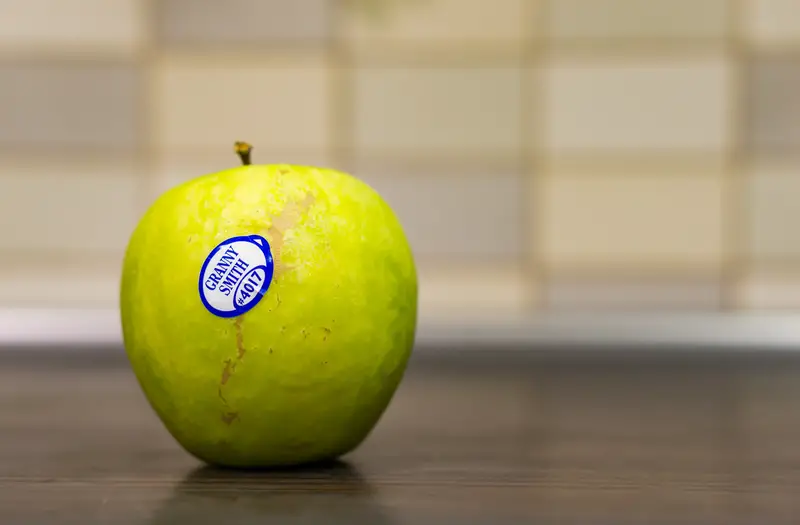
Those little stickers on your apples and bananas seem harmless enough, right? Most people grab their fruit, rip off the sticker, and toss it without a second thought. But that quick peel could actually be causing problems you never expected. From ruining your fruit faster to messing up your kitchen sink, these tiny labels have a bigger impact than you might think.
Wait until you’re ready to eat the fruit
Here’s something that might change your kitchen routine forever. Those stubborn fruit stickers aren’t just annoying—they can actually damage your produce when you pull them off too early. If you’ve ever grabbed an apple from the fruit bowl and noticed a weird brown spot where the sticker used to be, now you know why. Peeling that sticker off right after bringing groceries home is one of the most common mistakes people make. The adhesive on these stickers can be surprisingly strong, and removing them often takes a bit of the fruit’s skin with it.
When you break through the protective skin of your fruit, you’re basically opening the door to faster spoiling. That small tear might look like nothing, but it starts a chain reaction that turns the flesh brown and makes it go bad quicker. The best move is simple: leave the sticker alone until you’re about to slice into that peach or bite into that apple. Your fruit will stay fresher longer, and you won’t end up with a bowl full of mushy produce that attracts flies.
The science behind why fruit turns brown so fast
Ever slice an apple and watch it turn brown on the counter? That’s exactly what happens when you rip off a sticker and damage the skin underneath. When the inside of fruit meets air, a process called enzymic browning kicks in. The fruit has natural compounds that react with oxygen, creating that brownish color we all recognize. This can happen within just a few minutes after the skin gets broken. It’s the same reason banana slices turn brown in your cereal if you don’t eat them fast enough.
According to Scientific American, the browning happens because of something called polyphenol oxidase mixing with oxygen. When you peel away a bit of skin with that sticker, you’re releasing these compounds and starting the browning process early. The damaged spot becomes soft and mushy while the rest of the fruit stays firm. Nobody wants to bite into an apple and hit a brown, mealy section. That’s why waiting to remove the sticker matters so much.
Some fruits are more delicate than others
Not all fruit handles sticker removal the same way. Peaches, nectarines, and plums have thin, delicate skin that tears easily. Even a careful peel can leave behind damage that shows up as brown spots within hours. Apples might seem tougher, but their skin is still thin enough to get pierced during sticker removal. Bananas are tricky too—as they ripen and get those brown freckles, the skin becomes thinner and more fragile. A sticker on a ripe banana is much harder to remove cleanly than one on a green banana.
On the other hand, some fruits can handle the sticker situation better. Mangos have thick, tough skin that doesn’t tear as easily. Pineapples have that rough, textured exterior that protects them from sticker damage. Avocados also have bumpy, resilient skin that holds up well. If you absolutely must remove a sticker early, these tougher fruits are safer bets. But for anything with thin skin—especially soft stone fruits—leave that sticker alone until eating time.
What those fruit stickers are actually made of
Most people assume fruit stickers are just paper, but that’s not true at all. These little labels are actually made from plastic or vinyl with a layer of adhesive on the back. They’re designed to survive cold storage, shipping across the country, and sitting in grocery store bins getting sprayed with water. That durability is great for the supply chain but not so great when you’re trying to peel one off without damaging your apple. The glue is strong enough to keep the sticker attached through all kinds of handling.
Those stickers contain a price lookup code, or PLU, that tells the cashier exactly what kind of fruit you’re buying. There are thousands of different codes for different varieties of produce. The sticky backing uses adhesive polymers that don’t dissolve in water, which is why running your fruit under the tap doesn’t make the sticker fall off. This also means the sticker won’t break down easily anywhere—not on your fruit, not in your pipes, and not in a compost pile.
Don’t let stickers go down the kitchen drain
Here’s a problem most people never think about. You’re standing at the sink washing an apple, and the sticker peels off under the running water and disappears down the drain. No big deal, right? Actually, plumbers say this is a habit that can cause real trouble over time. Those tiny stickers don’t dissolve or break down in your pipes. They just sit there, potentially creating problems you won’t notice until your drain starts backing up months or years later.
Plumber Kelly Russum explains that people think produce stickers are paper, but they’re actually plastic laminated with adhesive. This means they stay intact forever in your plumbing. The sticky backing can cling to the inside of your pipes, creating spots where other debris starts to collect. One sticker isn’t going to clog your drain, but years of letting them wash away can build up into a serious blockage that requires professional help to fix.
Stickers can mess up your garbage disposal too
If you have a garbage disposal, you might think it can handle anything, including tiny fruit stickers. But these little labels can actually cause problems inside your disposal unit over time. The adhesive on stickers makes them stick to the blades and inner walls of the disposal. While a single sticker won’t jam your disposal immediately, multiple stickers building up can reduce how well it works. The sticky residue accumulates in places that are hard to clean out.
Plumber Shaylin King says stickers get tangled in the disposal mechanism and stuck to the blades. Once there, they can trap food particles and grease, making the problem worse over time. The best solution is simple: remove the sticker before you even turn on the water to rinse your fruit. Toss it in the garbage and keep your disposal running smoothly. A five-dollar drain strainer in your sink can also catch any stickers that slip off before they cause trouble.
What happens if you accidentally eat a sticker
We’ve all been there—you take a big bite of an apple and realize too late that the sticker was still attached. Good news: eating a fruit sticker by accident isn’t going to hurt you. The FDA has confirmed that occasionally swallowing a sticker isn’t a concern. Your body will simply pass it through without any issues. The sticker has no nutritional value whatsoever, but it also won’t cause any harm on its way through your system.
That said, fruit stickers aren’t exactly edible either. They contain ink, plastic, and adhesive that you probably don’t want to make a habit of eating. The FDA considers them safe for accidental consumption but wouldn’t recommend eating them on purpose. So while you don’t need to panic if you swallow one, you should still try to remove stickers before eating. Just wait until you’re actually about to eat the fruit so you don’t damage the skin and start the browning process early.
Always rinse off the sticky residue after removing stickers
Once you’ve carefully peeled off that sticker right before eating, you’re not quite done yet. That spot where the sticker was sitting often has a film of adhesive left behind. You can feel it if you run your finger over where the label used to be—it’s slightly tacky and might attract dust or fibers. This residue can taste weird if you bite right into it, and some people find the texture unpleasant. A quick rinse takes care of this problem easily.
Run the fruit under water and give that spot a gentle rub to remove any leftover glue. Some people use a bit of dish soap, though plain water usually does the trick. Just remember that washing fruit might not remove everything—pesticides and waxes can still remain on the surface even after a good rinse. But getting rid of that sticky residue makes for a much more pleasant eating experience. Nobody wants to bite into an apple and get a mouthful of old sticker glue.
Where to put fruit stickers after you remove them
So you’ve waited until eating time, carefully removed the sticker, and now you’re holding this tiny piece of plastic and glue. Where does it go? The answer is simple: the regular trash. Don’t throw fruit stickers in the recycling bin, and definitely don’t put them in with food scraps you’re composting. These stickers aren’t recyclable because they’re made from materials that recycling facilities can’t process. They’ll just contaminate the recycling stream.
Composting is another place where fruit stickers cause problems. Since they’re plastic, they won’t break down naturally like banana peels or apple cores. If you toss your fruit scraps into a compost bin without removing stickers first, you’ll end up with soil mixed with plastic bits. The stickers shed tiny pieces that can contaminate your compost. Make it a habit to peel off stickers and throw them in the garbage before your fruit scraps go into the compost pile.
The next time you unload your grocery bags and spot those little stickers on your fruit, resist the urge to peel them off right away. Leave them in place until you’re actually ready to eat. Your fruit will stay fresher, your plumbing will stay clearer, and you’ll avoid those annoying brown spots that ruin a perfectly good piece of produce. It’s a small change to your routine that makes a real difference in how long your fruit lasts and how well your kitchen works.

