

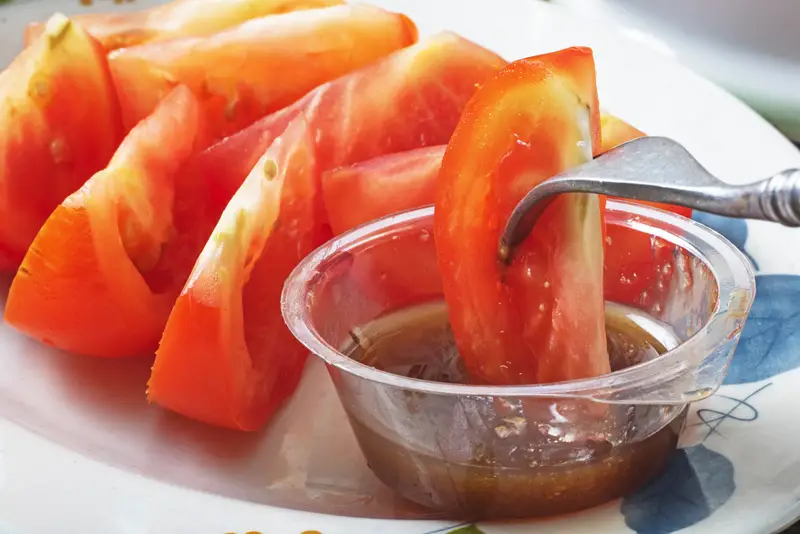
Sprinkling sugar on tomatoes sounds strange at first. Most people reach for salt when they want to season their fresh tomato slices, but plenty of folks across the South have been doing something different for generations. They grab the sugar bowl instead. This isn’t some weird quirk or outdated tradition that doesn’t make sense. There’s actual science behind why adding a bit of sweetness to your tomatoes can make them taste better, and once you understand how it works, you might want to try it yourself.
Sugar balances out the natural acids in tomatoes
Tomatoes contain high amounts of citric acid and malic acid, which give them that sharp, tangy bite. Some people love that tang, but others find it too strong or even unpleasant. When you add a small amount of sugar to your tomato slices, something interesting happens. The sugar doesn’t actually neutralize the acid or change the chemistry of the fruit. Instead, it changes how your mouth perceives those acids. Your tongue picks up the sweetness along with the sourness, and suddenly the sharp edges feel smoother.
Think about it like adjusting the volume on different instruments in a band. The drums are still playing just as loud, but when you turn up the guitar, the overall sound feels more balanced. That’s what sugar does to tomatoes. The acids are still there doing their thing, but your mouth experiences them differently when there’s sugar present. The result is a tomato that tastes fuller and more pleasant, especially if you’re someone who finds regular tomatoes too sour for your liking.
Off-season tomatoes need the boost more than summer ones
Anyone who’s compared a garden-fresh August tomato to a grocery store tomato in January knows there’s a huge difference. Summer tomatoes grown in soil and sunshine tend to be naturally sweeter and more flavorful. They’re picked ripe and haven’t traveled thousands of miles in a refrigerated truck. Winter tomatoes, on the other hand, are often picked green and ripened artificially. They can taste bitter, mealy, or just plain bland. These are the tomatoes that really benefit from a sugar treatment.
If you’re stuck buying tomatoes in March and they taste like cardboard with a hint of sourness, try slicing one up and adding a small pinch of sugar. Let it sit for a few minutes. You’ll be surprised at how much better it tastes. The sugar won’t turn a bad tomato into a prize-winning heirloom, but it will make that mediocre winter tomato much more enjoyable. Some people still add sugar to their perfect summer tomatoes too, but it’s really the off-season ones that need the help most.
This practice is common in the South and beyond
Southern grandmothers have been sugaring their tomatoes for as long as anyone can remember. It’s passed down through families the same way recipes for biscuits and fried chicken get handed down. Many Southerners grew up watching their parents or grandparents slice fresh tomatoes, then reach for both the salt shaker and the sugar bowl. To them, it’s just how you eat tomatoes. But this isn’t exclusively a Southern thing, even though that’s where it’s most well-known in America.
People in parts of Europe, China, and Korea also sprinkle sugar on their tomatoes. Different cultures discovered independently that adding sweetness makes tomatoes taste better. In some places, people drizzle honey instead of using granulated sugar. In others, they mix the tomatoes with naturally sweet fruits to achieve a similar balance. The common thread is that humans across the world figured out that tomatoes and sugar work well together. Southern cooks just happened to turn it into a well-known regional tradition that gets talked about and passed along.
Don’t dump too much sugar on there
When people first hear about sugaring tomatoes, some go overboard and treat their tomato slices like they’re making dessert. That’s a mistake. You only need a tiny amount of sugar to get the balancing effect. A light sprinkle is plenty. If you use too much, your tomatoes will taste like candy, and that’s not what you’re going for. The goal is to smooth out the acids and enhance the natural tomato taste, not to make a sweet treat.
Start with maybe a quarter teaspoon of sugar spread across a whole sliced tomato. Taste it after a few minutes and see what you think. You can always add a bit more if needed, but you can’t take it back once it’s on there. Some recipes that use tomatoes call for adding sugar during cooking, and the same rule applies. Start small and adjust. Whether you’re making sauce, soup, or just eating fresh slices, a little sugar goes a long way. Overdoing it will ruin the whole point of what you’re trying to accomplish.
Combining sugar and salt works even better
Salt on tomatoes is already popular because salt enhances pretty much everything. It brings out existing sweetness and reduces bitterness. Sugar handles the sourness and acidity. So why not use both? Many people who sugar their tomatoes also salt them. The combination gives you the best of both worlds. The salt makes the sweet and sour notes more obvious while pushing down the bitter, and the sugar smooths out that acidic punch that can be too intense.
Here’s a good method to try: slice your tomato and sprinkle a small pinch of salt on one side along with a light dusting of sugar. Let it sit for five to ten minutes. The salt and sugar will draw out some moisture from the tomato, which mixes with the seasonings and creates a light coating. Flip the slices over and do the same thing to the other side. After another few minutes, your tomatoes will be noticeably juicier and will taste more complex. This two-step process can rescue even the worst grocery store tomato and make it pretty decent.
Different types of sugar give different results
Regular white granulated sugar is what most people use, and it works perfectly fine. It dissolves quickly and doesn’t add any additional taste beyond sweetness. But you’re not limited to just white sugar. Brown sugar contains molasses, which adds a deeper, richer sweetness with a hint of caramel. If you want your tomatoes to have a more complex sweet note, brown sugar is worth trying. Just remember it’s slightly stronger, so use even less than you would with white sugar.
Natural sweeteners like honey and agave also work. Honey brings its own distinct taste that pairs nicely with tomatoes, especially if you’re making a salad. Agave is milder and more neutral. Some people even use artificial sweeteners if they’re watching their sugar intake, though the results aren’t quite the same. The type of sugar you choose depends on what you’re making and what you have in your pantry. For simple sliced tomatoes, plain white sugar is the easiest and most predictable option. Save the fancy sweeteners for when you’re experimenting or making something special.
Plenty of Southern recipes already include sugar and tomatoes
If you look at traditional Southern cooking, you’ll find sugar and tomatoes together all over the place. Many pasta sauce recipes call for a spoonful of sugar to cut the acidity of the tomatoes. Barbecue sauces almost always have both tomatoes and sugar as main ingredients. Tomato jam, chutney, and relish all use sugar for preservation and taste. There’s even such a thing as tomato pie and tomato pudding, both of which are sweet dishes that treat tomatoes more like fruit than vegetables.
Southern cooks have long understood that tomatoes and sugar belong together in the kitchen. They’ve been putting sugar in their tomato gravy, soups, and salads for generations. The practice of sprinkling it on fresh slices is just the most visible and talked-about version. Once you realize how common this combination is in actual recipes, it makes more sense why someone would try it on a plain tomato. The South has tested this pairing in every possible way, and it keeps showing up because it genuinely improves how tomatoes taste.
It works on underripe tomatoes too
Sometimes you buy tomatoes that looked good at the store but turn out to be hard and underripe when you cut into them. Underripe tomatoes are especially bitter and sour because they haven’t developed their natural sugars yet. They’re almost inedible on their own. Before you throw them out or leave them sitting on the counter for another week, try the sugar trick. It won’t magically ripen them, but it will make them taste significantly better right now.
Slice the underripe tomato and hit it with both salt and sugar. Let it sit for at least ten minutes, longer if you can wait. The salt and sugar will pull moisture out and create a sweet-salty coating that masks a lot of the unpleasant bitterness. The tomato will still have a firmer texture than a ripe one, but the taste will be much more acceptable. This is a handy trick when you need tomatoes for sandwiches or salads but only have unripe ones available. A little sugar can turn something nearly inedible into something you can actually enjoy.
This is similar to salting watermelon or grapefruit
The concept of adding an opposite seasoning to fruit isn’t unique to tomatoes. People have been putting salt on watermelon for ages, and it makes the melon taste sweeter and more refreshing. Some folks put salt on grapefruit halves to cut the bitterness and make them more enjoyable. The science is similar in all these cases. You’re adding something that changes how your mouth perceives the existing tastes. The watermelon isn’t actually getting sweeter, and the tomato isn’t becoming less acidic.
Your brain just processes the combination differently than it would process each element alone. Salt and sugar are both powerful tools for manipulating how food tastes without actually changing what’s in the food. They work on your perception. Once you understand this principle, you can apply it to all sorts of fruits and vegetables. Tomatoes with sugar, watermelon with salt, grapefruit with salt, bitter greens with a touch of honey—they all use the same basic idea. Southern cooks figured this out through trial and error, and now it’s part of the region’s food traditions.
Next time you slice up some tomatoes, grab the sugar bowl along with the salt shaker. Start with just a small sprinkle and see what you think. You might discover that your grandparents and great-grandparents were onto something all along. Whether you’re dealing with a bitter winter tomato or just want to try something different with your summer slices, a bit of sugar can make a real difference. It’s one of those simple kitchen tricks that sounds odd until you try it, and then suddenly it makes perfect sense.

