

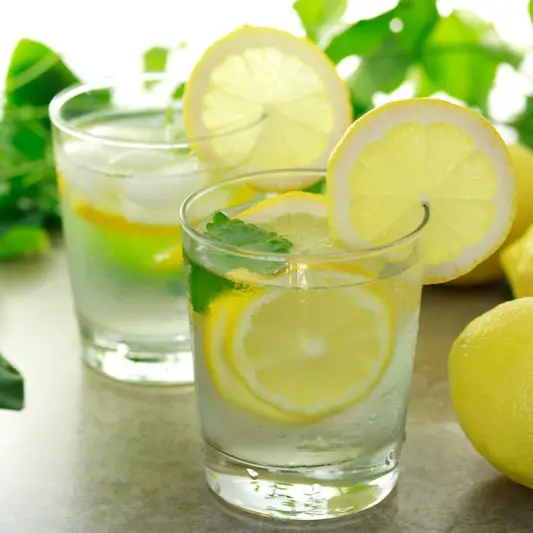
Somewhere along the way, lemon water became the unofficial drink of people who have their lives together. You see it in every wellness influencer’s morning routine, at every spa reception desk, in those “what I eat in a day” videos. The message is always the same: squeeze some lemon into your water and watch the magic happen. Better digestion. Glowing skin. A metabolism that finally cooperates.
But here’s the thing nobody filming their sunrise routine wants to talk about — lemon water has a real dark side. And for a lot of people, the daily habit they think is doing them a favor is actually creating problems they’ll be paying a dentist, a gastroenterologist, or both to fix.
Your Tooth Enamel Is Slowly Dissolving
This is the big one, and it’s not theoretical. Lemon juice is 5-6% citric acid with a pH level between 2 and 3. To put that in perspective, any liquid with a pH under 4 has been shown to damage teeth. Battery acid sits around pH 1. Lemon juice isn’t far behind.
When that acid hits your teeth repeatedly — say, every single morning for a few years — it starts eating through the enamel. That’s the hard, white, protective outer layer. Underneath it is a yellowish layer called dentin, and once that’s exposed, you’re dealing with sensitivity, discoloration, and a much higher risk of cavities. A documented case involved a patient who drank the juice of a whole lemon each morning for three to four years. He’d read online that it would activate his digestive enzymes. Instead, it eroded the enamel off his teeth so badly that he needed crowns to protect what was left.
A 2015 case study found the same thing with a 30-year-old woman who drank lemon water multiple times a day. Severe enamel erosion. And here’s the kicker — the yellowing that comes from this kind of damage can’t be fixed with whitening strips or professional bleaching. Once the enamel is gone and the dentin is showing through, you’re looking at veneers as the only cosmetic fix. That’s thousands of dollars per tooth.
Brushing Your Teeth Right After Makes It Worse
This is where well-meaning people dig the hole even deeper. You drink your lemon water, feel a little filmy on the teeth, and think: I’ll just brush it off. Completely logical. Completely wrong.
After acid exposure, your enamel is in a softened, weakened state. When you scrub it with a toothbrush in that condition, you’re literally brushing enamel away. You’re accelerating the exact damage you’re trying to prevent. Dentists say you need to wait at least 30 minutes after consuming anything acidic before brushing. During that half hour, your saliva works to neutralize the acid and start remineralizing the enamel surface.
The smarter move is to rinse your mouth with plain tap water right after drinking lemon water. That helps wash away residual acid and gets your saliva back to a normal pH faster. But most people don’t do that. They either brush immediately or do nothing at all. Both options leave your teeth worse off.
It Can Wreck Your Stomach, Not Help It
One of the biggest selling points of lemon water is supposed digestive benefits. You’ll see people claiming it “alkalizes the body” or helps produce stomach acid for better digestion. According to Dr. Jamie Koufman, a reflux specialist who wrote Dropping Acid: The Reflux Diet Cookbook & Cure, that idea is flat-out misinformation.
Lemon has a pH of 2.7 — the same pH as stomach acid. When you have acid reflux, a stomach enzyme called pepsin gets pushed up into your throat, vocal cords, and sinuses. Pepsin needs acid to activate. So when you drink lemon juice, you’re basically handing pepsin the exact fuel it needs to start digesting your own tissue. That’s not a wellness hack. That’s self-digestion.
If you have GERD or any kind of reflux, lemon water can make symptoms significantly worse. It can also irritate the stomach lining on its own, causing bloating, cramps, nausea, and heartburn — especially on an empty stomach, which is exactly when most lemon water enthusiasts drink it.
It Might Actually Dehydrate You
The whole point of adding lemon to water, for most people, is to make hydration more appealing. And fair enough — plain water gets boring. But lemon has a mild diuretic effect, meaning it increases urine production. Drink several glasses a day and you could actually end up more dehydrated than if you’d just stuck with regular water.
This is even more of a concern for women, who are at higher risk of low sodium levels from diuretics. And if you happen to be taking a diuretic medication for blood pressure or another condition, stacking lemon water on top of that can amplify the effect. You think you’re hydrating. You’re actually flushing fluids and electrolytes faster than you’re replacing them.
Lemon Peels in Your Drink Are a Bacteria Risk
If you’re the type to toss a whole lemon wedge into your glass — or if you order water with lemon at a restaurant — there’s something unpleasant to consider. Research has shown that the skin of lemons can harbor microorganisms that may cause illness. Think about it: those lemons at your favorite restaurant have been handled by multiple people, possibly sitting out at room temperature, and then dropped right into your drink.
The safer approach is to squeeze the juice directly into your water and skip the peel entirely. You still get whatever vitamin C and flavor you’re after without whatever’s been living on the surface of that lemon wedge.
It Can Make Your Skin Burn in the Sun
Lemons contain compounds called psoralens, which increase your skin’s sensitivity to ultraviolet light. There’s even a medical term for the reaction — phytophotodermatitis. If lemon juice gets on your skin and you go outside, you can develop redness, blistering, or dark spots that last for weeks or months.
This mostly applies to people who get lemon juice on their hands or face and then head into the sun, but even drinking it in large amounts can increase general sun sensitivity. So if you’re squeezing lemons on your back porch in July and then spending the afternoon outside, you might want to rethink the sequence.
It Can Mess With Your Medications
Most people know that grapefruit interacts with a long list of prescription drugs. Fewer people know that lemons, which are in the same citrus family, can cause similar problems. Lemons can affect the liver enzymes responsible for breaking down certain medications, including some drugs for blood pressure and diabetes.
The interaction isn’t as strong as with grapefruit, but if you’re drinking lemon water multiple times a day and taking medication, there’s a real possibility that the drug isn’t working the way it should. Your doctor probably never mentioned it because nobody thinks to ask about lemon water. But it’s worth a conversation, especially if you’re on a daily prescription.
Warm Lemon Water Is Worse Than Cold
The wellness crowd loves warm lemon water, usually first thing in the morning. Unfortunately, warm lemon water is more acidic than cold lemon water. Heat increases the solvency of the acid, meaning it does more damage to your enamel per sip. Cold water actually lessens the corrosive effect.
Adding honey — another popular move — introduces sugar into the equation, which gives cavity-causing bacteria exactly what they need to thrive. So the trendiest version of this drink, warm lemon water with honey, is arguably the worst possible combination for your teeth. You’re getting maximum acid exposure and feeding the bacteria at the same time.
If You’re Going to Do It Anyway, Do It Right
Look, I’m not going to pretend that a single glass of lemon water is going to ruin your life. One to two glasses of diluted lemon water a day is generally considered safe for most people. The problems show up with daily, long-term, concentrated use — especially when people aren’t taking any precautions.
If you genuinely enjoy it and want to keep drinking it, here’s how to minimize the damage: Use cold water, not warm. Squeeze half a lemon (not a whole one) into a full glass. Drink it through a straw to keep the acid off your teeth. Rinse with plain water immediately after. Wait at least 30 minutes before brushing. And use a fluoridated mouthwash at night to help remineralize your enamel.
Also, skip it entirely if you have acid reflux, GERD, mouth ulcers, sensitive teeth, or a citrus allergy. And talk to your doctor if you’re on any prescription medications.
The real issue isn’t lemon water itself. It’s the way the internet turned a mildly flavored drink into a miracle cure and convinced millions of people to chug it daily with zero caution. A little lemon in your water now and then is fine. Making it a ritual without understanding the risks is how you end up in a dentist’s chair wondering where your enamel went.

