

Costco’s return policy is basically legendary at this point. You can return almost anything, no questions asked, and that’s pretty much why people love shopping there. But have you ever wondered what happens to all those returned items? I mean, they can’t just put everything back on the shelves, right? And honestly, the answer is way more interesting than you’d think.
The satisfaction guarantee that started it all
Costco operates under a 100% satisfaction guarantee on store merchandise. That’s a big deal. Most retailers have time limits or strict conditions, but Costco’s policy is super generous. With some exceptions like electronics, alcohol, and a few specialty items, you can return things basically whenever you want. And that’s led to those insanely long return lines you’ve probably seen.
The flexibility builds trust with members. But it also means there’s a massive volume of returned goods accumulating behind those counters every single day.
Unopened items might go back on shelves
If you’re returning something unopened and non-perishable, there’s a decent chance it’ll be restocked in the warehouse. Same goes for certain opened items like clothes – if you’re just returning them because of a fit issue or you changed your mind, they can go back out on the floor. After trying these items myself, I’ve noticed the process is pretty efficient. But that’s only for items in good condition that haven’t been used.
The massive returns warehouse operation
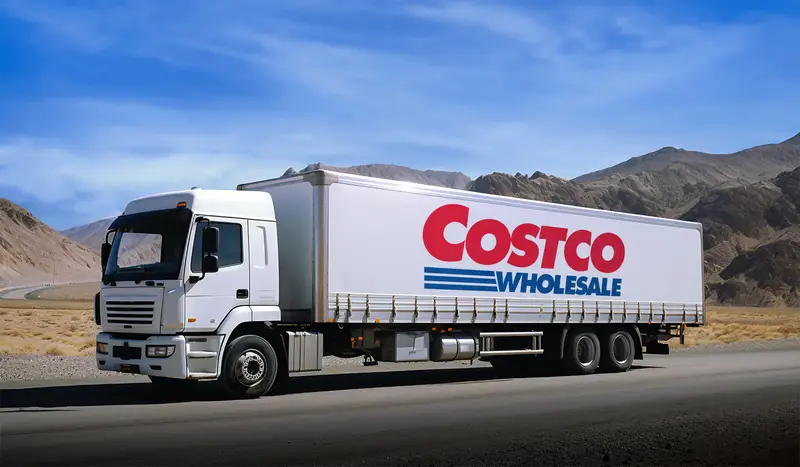
Here’s where things get interesting. Opened or used products don’t just sit around at your local store. They’re sent to large Costco returns warehouses where workers sort and inspect everything. There’s an 860,000-square foot returns warehouse in Monroe Township, New Jersey that processes returns from over 60 Costco warehouses, plus online orders. That’s a lot of returned stuff.
Workers at these facilities inspect each return to determine its condition. Most viable non-perishable items get sent to third-party liquidators or back to the manufacturer. And Costco receives a credit as part of the deal with the vendor, so they’re not just eating the cost. It’s actually a pretty smart system when you think about it.
Where electronics and appliances end up
Open-box electronics are a different story. These can’t usually just go back on the shelves for obvious reasons. Instead, manufacturers often take them back and sell them as open-box items at a discount. Companies like BStock have built entire business models around taking returns, unsold merchandise, and damaged goods from retailers. They resell these items to consumers at steep discounts, typically in the form of pallets.
The last time I looked into liquidation sales, I was surprised at how organized the whole thing is. Basically, nothing goes to waste. These items find new homes through wholesalers and auction sites, even if they’ve been opened or slightly used. Does anyone actually prefer buying these discounted returns? Apparently yes, tons of people do.
Donated items that can’t be resold
Some items can’t be resold but aren’t totally useless either. Products with cosmetic issues like small stains might be donated to charities. Organizations like World Vision partner with Costco to receive returned items or items that suppliers would otherwise destroy. Since 2014, World Vision reports it’s received 480,000 pallets of donated food items and other goods for charity. That’s honestly pretty impressive.
Other items, like toothbrushes and personal care products, get recycled for sanitary reasons. You definitely don’t want those being resold, even if they’re unopened.
The food return situation is complicated
Food returns are totally different. And here’s where it gets a bit wasteful, unfortunately. Costco allows members to return almost any type of food – unopened, opened, expired, spoiled, damaged, or even stuff you just don’t like. But FDA regulations are strict. Perishable foods like meat, fruit, or frozen products can’t be resold, even if they’re unopened and within their expiration date. As a safety precaution, these returned items are thrown away.
Every time I’ve returned food (which isn’t often), I’ve felt a little guilty about it. Some folks on Reddit agree that returning opened food can be wasteful if the product can’t be donated. Why does this keep happening? Well, safety regulations don’t really give stores much choice. It’s kind of frustrating, but it makes sense from a liability standpoint.
Non-perishable food donations make a difference
But non-perishable, unopened, unexpired food can end up in local food banks or shelters. Costco works with organizations like Feeding America, which receives large volumes of food for donation. According to their website, the store donates bread, protein, produce, and dairy regularly. At least some of the returned food finds its way to people who need it.
I mean, it’s not a perfect system. Perishable items still get tossed. But the fact that Costco has partnerships in place to donate what they can is better than nothing. Some shoppers advise thinking twice before returning food just because you bought the wrong item or changed your mind – maybe give it to a friend or family member instead.
The vendor credit system keeps costs down
One thing people don’t realize is that Costco doesn’t absorb all these return costs. They maintain pre-agreed arrangements with vendors who supplied the products. When an item gets returned and sent back to the manufacturer or to a liquidator, Costco receives credit from the supplier. It’s a negotiated deal that protects both parties.
This system lets Costco maintain their generous return policy without taking huge financial hits. The manufacturers get their products back and can resell them through other channels. Everybody wins, sort of. Though I imagine some vendors aren’t thrilled about the high return volume.
Should you feel guilty about returns
There’s debate about whether returning items to Costco is wasteful or not. Some people say it’s totally fine if you get a bad batch of something that normally tastes good. Others feel guilty about the environmental impact, especially with food waste. After trying various approaches myself, I’ve settled on a middle ground – I’ll return defective items or things that are genuinely bad, but I won’t return stuff just because I changed my mind.
Honestly, the system is set up to handle returns efficiently. Far from wasting everything, Costco has built logistics to minimize losses and support social causes. Between liquidations, recycling, and donations, most returned products have a second destination. But that doesn’t mean we should abuse the policy either. It’s kind of a personal choice, I guess.
At the end of the day, Costco’s return system is more sophisticated than most people realize. Items don’t just disappear into a black hole – they’re sorted, redistributed, donated, or recycled. And that generous return policy that makes shopping there so appealing? It’s backed by partnerships and agreements that keep the whole operation sustainable, at least for now.

