

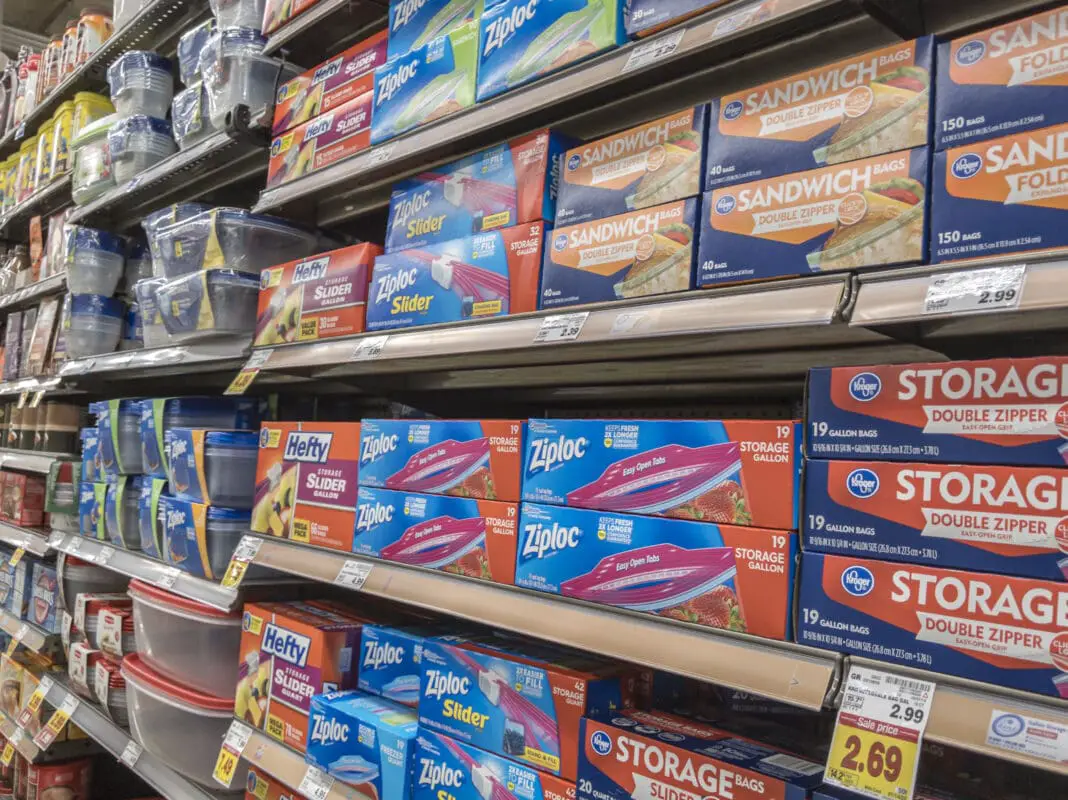
Ziploc bags are probably sitting in your kitchen drawer right now. Most people use them for sandwiches or leftovers without thinking twice. But there are some things you should never do with these plastic bags that could cause real problems. On the flip side, there are also some pretty amazing tricks that can make your life easier. From safety mistakes to clever hacks, here’s everything you need to know about getting the most out of these everyday bags.
Using a hot knife without proper safety steps
You might have seen that viral hack where people cut Ziploc bags in half with a hot knife to make smaller bags. It sounds like a great idea when you need snack-sized bags but only have the big ones. The heated knife melts the plastic and seals the edges as it cuts. But here’s the thing: this trick comes with some serious safety concerns that you need to know about before trying it yourself.
When you heat plastic, it releases toxic fumes that you definitely don’t want to breathe in. If you decide to try this hack anyway, make sure you’re in a room with good airflow. Open some windows or turn on a fan. Also, don’t use your best knife for this because direct heat can damage it. And remember, if that knife is hot enough to melt plastic, it’s hot enough to burn your skin badly. Keep long sleeves and hair away from the flame too.
Storing liquids in DIY cut bags
So you successfully cut a Ziploc bag in half with a hot knife. Great! But don’t pour soup or juice into those new bags. The seal created by the hot knife isn’t perfect at all. There will be tiny holes along the melted edge that you might not even see. These little gaps are a recipe for a messy disaster waiting to happen in your lunch bag or refrigerator.
The new seal works okay for dry snacks like crackers, chips, or trail mix. But anything wet will eventually leak through those tiny holes. You also shouldn’t use these cut bags for long-term food storage because air can get in and make your food go stale faster. Stick to things you plan to eat pretty quickly. For liquids and longer storage, just use a regular bag that hasn’t been modified.
Pouring bacon grease down the drain instead
After cooking bacon, that leftover grease might look harmless enough to rinse away. But dumping it down your sink is one of the worst things you can do for your plumbing. The grease might be liquid when it’s hot, but it hardens as it cools down. This creates nasty clogs that can back up your whole drainage system and make your sink smell terrible over time.
Here’s a much smarter solution. Pour that leftover grease into a Ziploc bag while it’s still warm but not super hot. Seal it shut and let it sit until the grease hardens completely. Once it’s solid, you can just toss the whole thing in the trash without any mess. Your pipes will thank you, and you won’t have to deal with an expensive plumber visit or a stinky kitchen.
Make a quick frosting bag for decorating
Ever wanted to decorate cupcakes or cookies but didn’t have a fancy piping bag? Most of us don’t keep professional baking supplies around unless we’re really into cake decorating. Buying a whole set of piping bags and tips for one birthday party seems like overkill. But you can make something work with what’s already in your kitchen drawer.
A regular Ziploc bag makes a great substitute for a frosting bag when you’re in a pinch. Just fill the bag with frosting, push it all toward one corner, and snip a small hole in that corner. The bag isn’t quite as sturdy as the real thing, so work gently. But it gets the job done just fine for writing names on cakes or adding swirls to cupcakes. You can even use different sized cuts for different effects.
Clean your gas stove burners with ammonia
Those gross, crusty gas stove burners are one of the most annoying things to clean. You scrub and scrub but the baked-on grime just won’t budge. Most people eventually give up and just learn to live with the mess. But there’s actually a trick that does most of the hard work for you while you sleep.
Take your removable stove burners and put each one in its own Ziploc bag with about a quarter cup of ammonia. Seal the bags and leave them overnight. The fumes from the ammonia work to loosen all that stuck-on grease and food. The next morning, you should be able to wipe the grime right off without much effort at all. Just make sure to do this somewhere with good ventilation because ammonia has a strong smell.
Protect your phone at the beach or pool
Nothing ruins a fun beach day faster than getting sand or water inside your phone. Those tiny grains get into every little opening and can seriously damage the speakers and charging port. And we all know what happens when phones and water mix. Even phones that claim to be water-resistant don’t do well with sand and sunscreen goop.
Before you head to the beach, slip your phone into a Ziploc bag. The cool part is that most touchscreens still work through the plastic. You can check texts, take photos, and scroll through social media while keeping your device safe from sand, water splashes, and that oily sunscreen you just applied. This trick works great for hiking dusty trails or any outdoor activity where your electronics might be at risk.
Keep important documents safe from water
Have you ever had a water bottle leak in your bag and soak your papers? Or maybe you got caught in unexpected rain while carrying important stuff. Water damage can make documents completely unreadable, and that’s a huge problem when it’s something like your passport or insurance papers. These things are hard and expensive to replace.
Ziploc bags are clear and water-resistant, which makes them perfect for protecting documents. You can still read everything through the plastic without taking it out. Keep your passport, boarding passes, and maps in sealed bags when traveling. It’s also smart to store important papers at home this way too. You never know when a pipe might burst or a roof might leak during a storm.
Start seeds for your garden cheaply
Those fancy seed starting kits at the garden center can cost a lot of money. But you don’t need anything special to get seeds growing. Creating the right conditions for germination is actually pretty simple. All seeds need is moisture and warmth, and a Ziploc bag provides both of those things perfectly.
Put your seeds in a damp paper towel, then slide the whole thing into a Ziploc bag. The sealed bag keeps the moisture from evaporating, creating a mini greenhouse effect. Place it somewhere warm and check on it every few days. Once you see little sprouts starting to grow, you can transfer them to soil. This is a super cheap way to get a head start on your garden without buying special equipment.
Remove hard water buildup from faucets
That crusty white stuff around your faucets and showerheads is mineral buildup from hard water. It looks gross and can actually block the water flow over time. Scrubbing it with regular cleaners barely makes a dent. But white vinegar is amazing at breaking down those mineral deposits, and a Ziploc bag helps it work even better.
Fill a bag with enough white vinegar to cover the end of your faucet or showerhead. Secure the bag with a rubber band so the hardware is completely submerged in the vinegar. Leave it for a few hours or overnight for really bad buildup. The acid in the vinegar dissolves the minerals without any scrubbing from you. Just remove the bag, wipe things down, and enjoy your clean, shiny fixtures.
Ziploc bags are way more useful than most people realize. Whether you’re avoiding plumbing disasters, protecting your stuff from water damage, or trying some clever cleaning hacks, these simple bags can save the day. Just remember to use them safely and know their limits. Keep a box in your kitchen and another in your travel bag because you never know when one of these tricks might come in handy.

