

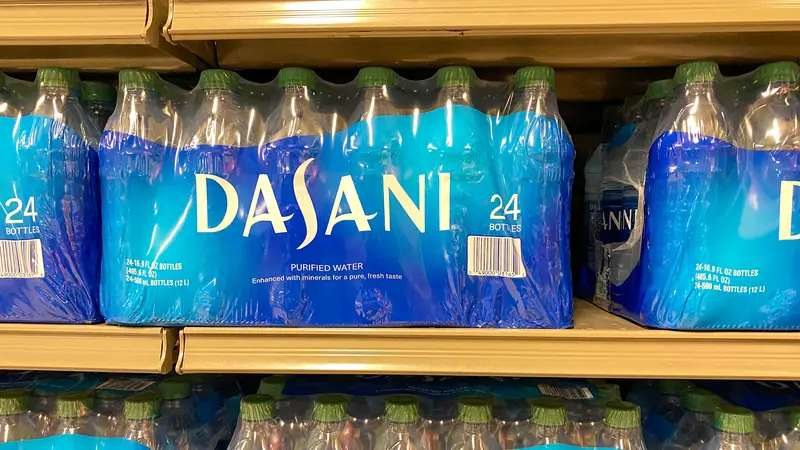
You know that bottled water you just paid two dollars for at the gas station? There’s a pretty good chance it came from the same place as the water flowing from your kitchen faucet. Nearly 64 percent of bottled water sold in America is actually tap water that’s been repackaged. Companies are taking municipal water, putting it in plastic bottles, and selling it for hundreds of times more than what comes out of your tap. The bottles look fancy, the labels promise purity, but many brands aren’t telling you the whole story about where your water really comes from.
Most major brands source from municipal water systems
When you think about bottled water, you probably picture pristine mountain springs or crystal-clear underground aquifers. The reality is much less romantic for most brands on store shelves. Dasani sources its water from municipal systems in California, Minnesota, Arizona, Colorado, and Michigan. That means the water in those distinctive bottles comes from the same treatment plants that supply homes and businesses in those cities. Lifewtr follows the same pattern, using tap water as its base product before adding any treatments or minerals.
Nestle Pure Life takes water from both wells and municipal sources, depending on where the bottles are being filled. Kirkland bottled water, which you can buy in bulk at Costco, comes from Niagara Bottling LLC and uses tap water along with some well and spring sources. Even Propel and Essentia start with tap water, though they add electrolytes to change the taste and market themselves as enhanced hydration products. The next time you reach for one of these brands, remember that you’re essentially paying for filtered and repackaged city water.
Bottled water contains more contaminants than you’d expect
The Environmental Working Group tested ten popular bottled water brands and found some pretty disturbing stuff. On average, each brand contained eight different contaminants. We’re talking about things like caffeine, acetaminophen, fertilizers, solvents, plastic-derived chemicals, and strontium showing up in your drinking water. Two brands really stood out for all the wrong reasons. Walmart’s Sam’s Choice and Giant Food’s Acadia had particularly high contamination levels. Sam’s Choice actually exceeded California’s bottled water quality standards in some tests, which is saying something since California tends to have stricter rules than many other states.
Another study looked at microplastics in bottled water and found that 93 percent of samples worldwide contained tiny plastic particles. These microplastics can come from the bottles themselves, breaking down over time and ending up in the water you’re drinking. The plastic sitting on store shelves or in hot warehouses can leach chemicals into the water, especially if the bottles have been there for a while. Nobody wants to drink plastic particles along with their water, but that’s exactly what’s happening when you buy most bottled water brands.
Tap water faces stricter regulations than bottled water
Here’s something that might surprise you: the water coming from your faucet is actually regulated more strictly than bottled water. The Environmental Protection Agency oversees municipal tap water under the Safe Drinking Water Act, which requires constant testing and monitoring. Water treatment facilities have to meet specific standards and report any issues to the public. They test for dozens of contaminants regularly and have to fix problems quickly when they’re found. Your local water utility has to send you an annual report showing exactly what’s in your water.
Bottled water, on the other hand, falls under the Food and Drug Administration’s jurisdiction. The FDA doesn’t require bottled water to be any safer than tap water. Companies don’t have to disclose where their water comes from, how they treat it, or what contaminants might be present. They can keep all that information private, and most of them do. When the Environmental Working Group looked at transparency, they found that only three brands in 2011 earned top marks for actually telling consumers what was in their water: Gerber Pure Purified Water, Nestle Pure Life Purified Water, and Penta Ultra-Purified Water.
Companies don’t have to tell you about their water sources
Most bottled water labels look pretty and make grand promises about purity and taste, but they leave out crucial information. Companies aren’t required to print the geographic location of their water source on the label. They don’t have to explain what purification methods they used or whether they even purified the water at all. You won’t find test results showing what contaminants were found before or after treatment. This lack of transparency makes it impossible for regular people to make informed decisions about what they’re buying and drinking.
The Environmental Working Group used three basic criteria to evaluate bottled water brands: does the label show where the water came from, does it explain how the water was treated, and does the company publicly share water quality test results? Most brands failed on all three counts. They keep this information hidden, even though consumers are paying premium prices for their products. Without this basic information, you have no way of knowing whether that expensive bottled water is any different from what comes out of your tap. Some companies claim their water comes from exotic sources, but without proof, those claims are just marketing.
The price difference between tap and bottled is enormous
Let’s talk about what you’re actually paying for when you buy bottled water. A typical bottle costs anywhere from one to three dollars, depending on the brand and where you buy it. That might not seem like much, but compare it to tap water, which costs fractions of a penny per gallon. When you do the math, bottled water can cost 300 to 2,000 times more than tap water. If you’re buying a bottle every day, that adds up to hundreds or even thousands of dollars per year.
Most of that money isn’t going toward better water quality. You’re paying for the plastic bottle, the label design, advertising campaigns, transportation costs, and retailer markups. The actual water inside often costs the company almost nothing, especially when they’re sourcing it from municipal systems. Think about it: they’re taking water that costs them pennies, putting it in a bottle, and selling it to you for two dollars. Meanwhile, you could fill a reusable bottle from your tap practically for free. The convenience of buying bottled water comes at a huge markup that doesn’t reflect any real difference in quality.
Some bottled waters actually taste different from others
Even though many bottled waters start as tap water, they don’t all taste the same. A recent taste test of 22 popular brands found noticeable differences. Path Water came out on top with a pure, crisp taste that people wanted to keep drinking. Saratoga Springs Water had a pleasantly soft, mineral-rich profile that stood out. On the other end, some brands had metallic notes, plastic aftertastes, or medicinal profiles that made them less appealing. Dasani, one of the most popular brands, was noted for having a slightly metallic taste that many people found off-putting.
The taste differences come from what companies do to the water after they get it from the tap. Some add minerals to change the taste, others use different filtration methods, and some don’t do much at all. Reverse osmosis, ozonation, and carbon filtration can all affect how water tastes. Companies like Propel and Essentia add electrolytes, which changes both the taste and how the water feels in your mouth. But here’s the thing: you can achieve similar results at home with a good filter and maybe some mineral drops if you want them. The taste differences exist, but they don’t justify the massive price difference for most people.
Filtered tap water gives you control over what you drink
Instead of trusting bottled water companies to tell you the truth about their products, you can take control by filtering your own tap water. A decent water filter removes chlorine, lead, mercury, and other contaminants that might be in your municipal water supply. Pitcher filters are cheap and easy to use, faucet-mounted filters are convenient, and under-sink systems provide more thorough filtration. Any of these options will give you cleaner water than what comes straight from the tap, and they cost way less than buying bottled water regularly.
When you filter your own water, you know exactly what’s being removed because filter manufacturers have to tell you what their products do. You can choose a filter based on what contaminants are in your local water supply, which you can find out from your water utility’s annual report. Fill up a reusable bottle with your filtered tap water, and you’ve got the same convenience as bottled water without the markup or the mystery about where it came from. Plus, reusable bottles keep your water colder for longer, and you can wash them regularly to keep them clean.
Marketing makes bottled water seem better than it is
Bottled water companies spend millions on advertising to convince you their product is worth the money. They show images of glaciers, mountains, and pristine wilderness to make you think their water comes from unspoiled natural sources. The bottles are designed to look premium, with sleek shapes and sophisticated labels. Some brands create entire stories about their water’s origin, talking about ancient aquifers or remote springs, even when the water actually comes from a city treatment plant just like your tap water.
This marketing creates a perception that bottled water is purer, safer, and better-tasting than tap water. For many brands, that perception is completely false. They’re selling you an image and a lifestyle, not a superior product. The fancy packaging and compelling stories distract from the fact that you’re often buying repackaged municipal water at a massive markup. Smart marketing has convinced millions of people to pay for something they already have at home. Recognizing these marketing tactics helps you see past the hype and make more informed decisions about what you’re actually buying.
Checking labels and company websites reveals the truth
If you want to know whether your favorite bottled water brand is actually tap water, start by reading the label carefully. Look for phrases like “from a municipal source” or “public water source,” which are code for tap water. Some brands will say “purified water” without specifying where it came from, which usually means it started as tap water. Spring water and mineral water should come from actual springs, but even then, not all companies are transparent about the specific location. The label might have beautiful images of nature while the fine print tells a different story.
Company websites sometimes provide more information than labels, though many still keep things vague. Look for sections about their water source, purification process, or quality reports. If a company is proud of where their water comes from, they’ll usually tell you. If they’re hiding that information or making it hard to find, that’s a red flag. Some brands like The Water Depot are upfront about using reverse osmosis, ozonation, and carbon filtration on their water and following EPA standards. That kind of transparency is rare in the bottled water industry, but it’s what consumers deserve from every brand.
Bottled water companies have been selling the same product as your tap for premium prices while keeping you in the dark about it. The regulations are weaker, the transparency is lacking, and the cost is ridiculous compared to what you’re actually getting. Filtering your own tap water and using a reusable bottle gives you better control, lower costs, and often cleaner water than many bottled brands. Next time you reach for a bottle at the store, remember that you might be paying two dollars for something that costs less than a penny at home.

